When is World Youth Skills Day? Date, theme, history, significance and more
When is World Youth Skills Day? Date, Theme, History, Significance, and Key Insights Theindiapostdaily.com – World Youth Skills Day, observed annually on July 15, is a global initiative aimed at…

When is World Youth Skills Day? Date, Theme, History, Significance, and Key Insights
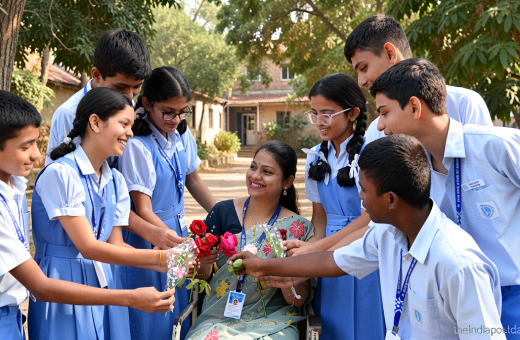
Theindiapostdaily.com – World Youth Skills Day, observed annually on July 15, is a global initiative aimed at addressing the critical need for skill development among young people. The event, with its theme “Skills for a Shared Future,” underscores the importance of innovative programs that prepare youth to lead with empathy and adapt to evolving challenges. This day, recognized by the United Nations, serves as a reminder of how investing in education and training can bridge cultural divides and foster resilience in building a sustainable world. Understanding when is World Youth Skills Day is essential for individuals, organizations, and governments seeking to empower the next generation with the tools they need to thrive in a rapidly changing global economy.
Origins and Purpose
The date of World Youth Skills Day was officially established by the United Nations General Assembly on December 18, 2014. This decision followed the 2014 World Youth Skills Day declaration, which highlighted the strategic importance of equipping youth with skills for employment and entrepreneurship. The initiative was championed by Sri Lanka, with strong support from the G77 group of developing nations. The purpose of the day is to align education systems with market demands and ensure that young people are prepared for the future of work. By focusing on when is World Youth Skills Day, the UN aims to create awareness and drive action toward reducing skills gaps and promoting inclusive growth.
World Youth Skills Day was launched to address a pressing global issue: the disconnect between academic learning and practical skills required in the modern job market. The United Nations Secretary-General’s Special Envoy for Youth played a pivotal role in shaping the event’s mission, which emphasizes the transformative power of education. This includes not only technical and vocational training but also the development of soft skills, such as creativity, critical thinking, and digital literacy. The day serves as a call to action for stakeholders worldwide to collaborate on initiatives that ensure youth are ready to meet the demands of the 21st-century workforce.
Historical Context and Global Goals
The idea of World Youth Skills Day emerged from the recognition that youth unemployment and underemployment remain significant challenges in many parts of the world. In 2015, the Incheon Declaration further reinforced the role of technical and vocational education in achieving the Education 2030 agenda, which is closely linked to the Sustainable Development Goal 4 (SDG 4) on quality education. The day’s theme, “Skills for a Shared Future,” reflects the growing need for skills that are relevant across diverse sectors, including green and blue economies. These sectors are projected to generate 8.4 million jobs for youth by 2030, underscoring the importance of when is World Youth Skills Day in driving future-oriented education policies.
World Youth Skills Day also highlights the significance of inclusive education, which ensures that all young people—regardless of gender, geography, or socioeconomic background—have equal opportunities to develop their skills. The UN has consistently emphasized that closing the skills gap is not just about economic growth but also about social equity and long-term stability. By fostering a culture of lifelong learning, the day encourages continuous adaptation to technological advancements and global shifts, making it a cornerstone of modern development strategies.
Key Statistics and Challenges
World Youth Skills Day sheds light on the current state of youth skills development worldwide. As of recent data, 273 million children and young people are not enrolled in educational institutions, creating a significant barrier to skill acquisition. Furthermore, 1 in 5 individuals aged 15–24 are NEET (not in employment, education, or training), with nearly 1 in 3 young women (28.2%) falling into this category compared to 13.1% of young men. These disparities highlight the urgent need for targeted interventions, especially in regions where access to education is limited.
Another critical challenge is the rapid pace of technological change. Over 40% of current skillsets no longer match the requirements of the job market, and 65 million youth were unemployed globally in 2023. By 2030, it is estimated that 22% of all jobs will undergo transformation due to digitalization and automation. These trends underscore the importance of when is World Youth Skills Day as a platform for discussing and addressing the evolving needs of young workers. The UN’s focus on skills development is a response to these challenges, aiming to create a more resilient and adaptable workforce for the future.
Global Participation and Impact
World Youth Skills Day has gained traction as a global event, with participation from countries, organizations, and youth groups worldwide. The UN has partnered with various stakeholders, including governments, private sector entities, and civil society, to create programs that align with the day’s objectives. These collaborations are essential for scaling up efforts to provide young people with access to quality education and training opportunities. By emphasizing the date of the event and its theme, the UN seeks to rally global support for initiatives that ensure youth are equipped to meet the demands of a dynamic labor market.
The impact of World Youth Skills Day extends beyond raising awareness. It serves as a catalyst for policy changes and investments in education. For instance, the day has prompted discussions on how to bridge the skills gap through innovative teaching methods and partnerships with industries. Additionally, it highlights the importance of gender-inclusive education, as nearly 1 in 3 young women are NEET, compared to 1 in 5 young men. By addressing these disparities, the day contributes to broader goals of social equity and economic empowerment. As the date of the event approaches, it is an opportunity for countries to reflect on their progress and commit to further improvements in youth skills development.
Moreover, World Youth Skills Day plays a crucial role in promoting the green and blue economies, which are expected to generate substantial employment opportunities for young people. The event also encourages the adoption of digital skills, which are increasingly vital in today’s job market. By focusing on when is World Youth Skills Day, the UN ensures that this critical issue remains at the forefront of global discourse. As the world continues to evolve, the day serves as a reminder of the ongoing need for education and training that prepares youth to navigate future challenges with confidence and competence.