Petrol, diesel prices today — 18 July: Fuel rates in Delhi, Mumbai, Bengaluru, Kolkata as US-Iran war intensifies
Petrol and Diesel Prices Today: 18 July Update Amid US-Iran Conflict Theindiapostdaily.com – As the US-Iran war intensifies, petrol and diesel prices today remain unchanged in India's key metropolitan areas,…
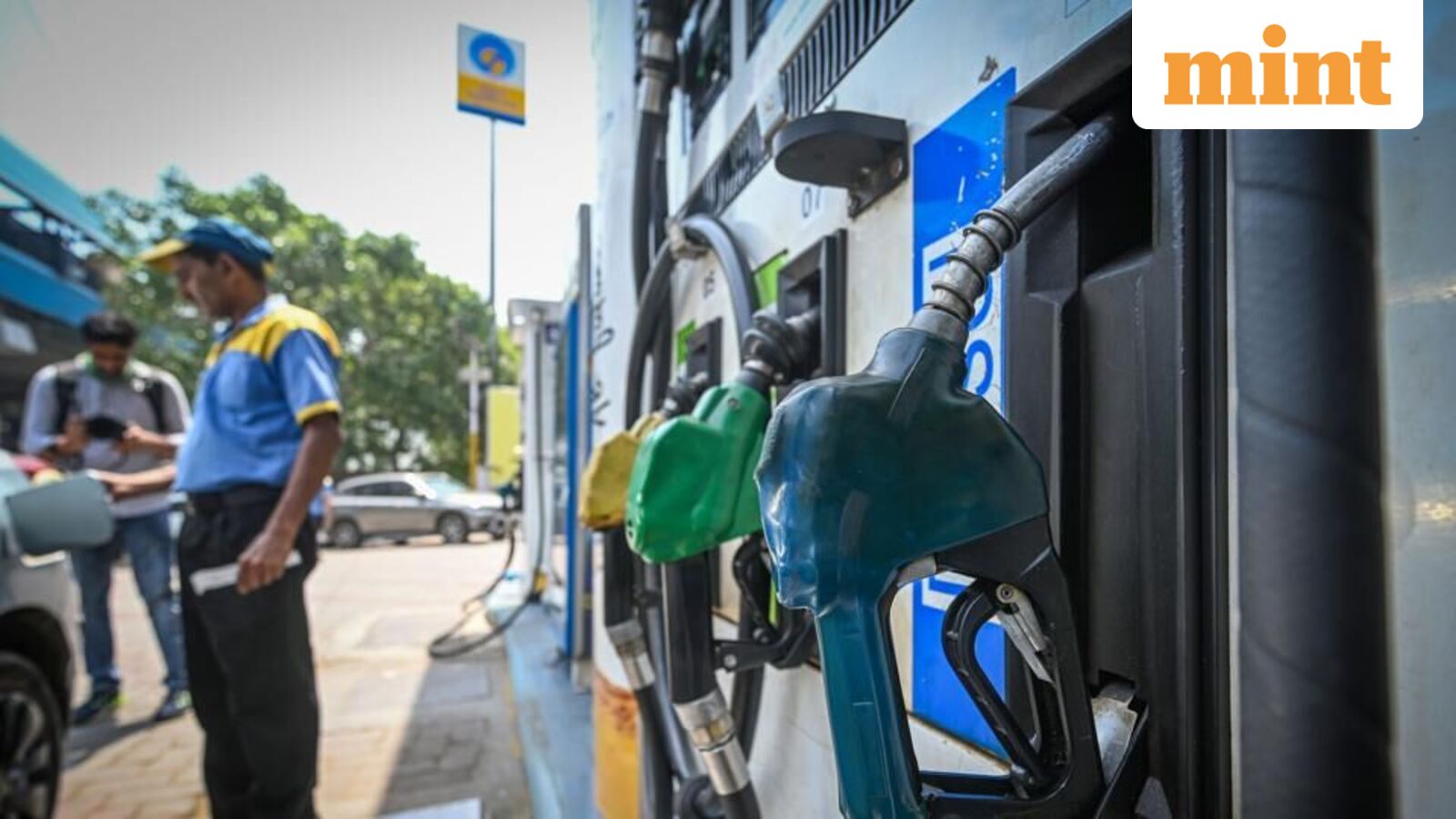
Petrol and Diesel Prices Today: 18 July Update Amid US-Iran Conflict
Theindiapostdaily.com – As the US-Iran war intensifies, petrol and diesel prices today remain unchanged in India’s key metropolitan areas, including Delhi, Mumbai, Bengaluru, and Kolkata. The surge in global oil market volatility due to escalating tensions between the two nations has not yet triggered significant fluctuations in domestic fuel rates, despite growing fears of supply chain disruptions. This stability highlights the delicate balance between international geopolitical events and the Indian government’s efforts to maintain affordable fuel prices for consumers.
On July 18, Delhi’s petrol price hovered at ₹102.12 per liter, while diesel remained steady at ₹95.20. In Mumbai, petrol cost ₹111.21, and diesel was priced at ₹95.20. Bengaluru’s petrol rate stayed at ₹111.37, with diesel at ₹95.20. Kolkata’s petrol price was ₹107.45, and diesel at ₹95.20. These prices reflect the current market conditions, though regional variations persist due to differing tax structures and distribution networks. The key takeaway is that petrol and diesel prices today are largely unaffected by the ongoing conflict, maintaining a semblance of consistency for drivers.
Factors Influencing Fuel Price Stability
Despite the global oil market’s sensitivity to geopolitical shocks, the Indian government’s strategic oil reserves and subsidies have cushioned domestic prices. Analysts note that the country’s reliance on Middle Eastern crude oil, which has not been directly impacted by the recent clashes, has played a crucial role in keeping petrol and diesel prices today steady. Additionally, the Indian Oil Corporation’s (IOC) pricing mechanism, which adjusts rates based on international benchmarks like Brent crude, has absorbed the initial volatility without passing it on to consumers.
The absence of immediate supply disruptions in key shipping lanes such as the Strait of Hormuz has also contributed to price stability. While the US-Iran conflict raises concerns about potential oil supply cuts, these fears have not materialized yet. Fuel retailers in major cities have maintained consistent pricing, with no new surges reported. This resilience in the face of uncertainty underscores the importance of monitoring petrol and diesel prices today for consumers planning their budgets.
Tracking Fuel Price Movements in Real-Time
Consumers can now track petrol and diesel prices today through multiple digital platforms. The IndianOil ONE app offers real-time updates and location-based price comparisons, allowing users to find the most competitive rates. Similarly, SMS-based services like sending “RSP Dealer Code” to 92249 92249 provide indicative prices for specific dealers. These tools empower individuals to make informed decisions, especially during periods of frequent price adjustments.
“Petrol and diesel prices today are subject to daily revisions at 6 a.m., and consumers should verify the latest rates using reliable sources before refueling,”
says an industry expert. The ability to access up-to-date information is vital, as even minor fluctuations can impact household expenses. With the US-Iran war intensifying, staying informed about petrol and diesel prices today has become more critical than ever.
The current pricing environment also reflects the impact of seasonal demand and refinery outputs. While summer travel increases demand for fuel, the supply chain has remained robust. This has prevented a spike in petrol and diesel prices today, despite the rising global tensions. However, experts warn that sustained conflicts could eventually lead to higher prices, especially if key oil routes face disruptions.
Global Market Reactions and Domestic Implications
On July 17, oil prices reached a peak of $88.10 per barrel for Brent crude and $82.49 for US West Texas Intermediate (WTI), driven by heightened risks of supply interruptions in the Middle East. These increases were observed in global markets, yet Indian fuel prices today have not mirrored the same trend. The Indian government has reportedly intervened to stabilize the market, ensuring that petrol and diesel prices today remain accessible to the public.
This situation illustrates the interplay between international oil prices and domestic pricing strategies. While the US-Iran conflict has pushed global benchmarks higher, India’s refineries and import policies have mitigated the effect. As a result, petrol and diesel prices today in major cities show minimal changes, offering a respite to commuters and businesses alike. However, the long-term impact of the conflict on fuel costs remains a topic of debate among economists and industry analysts.
Looking ahead, the trajectory of petrol and diesel prices today could shift depending on the outcome of the US-Iran war. If tensions escalate further, there may be a need for additional government support to prevent price hikes. Meanwhile, the current stability provides a window for consumers to plan their expenses without unexpected fluctuations. With the conflict showing no signs of abating, the focus remains on how petrol and diesel prices today will evolve in the coming weeks.