Sprng Energy changes hands again: A timeline of Shell’s $1.8 billion sale to Aditya Birla Group
Sprng Energy Changes Hands Again: Shell’s $1.8 Billion Sale to Aditya Birla Group Sprng Energy changes hands again, as the renewable energy company continues
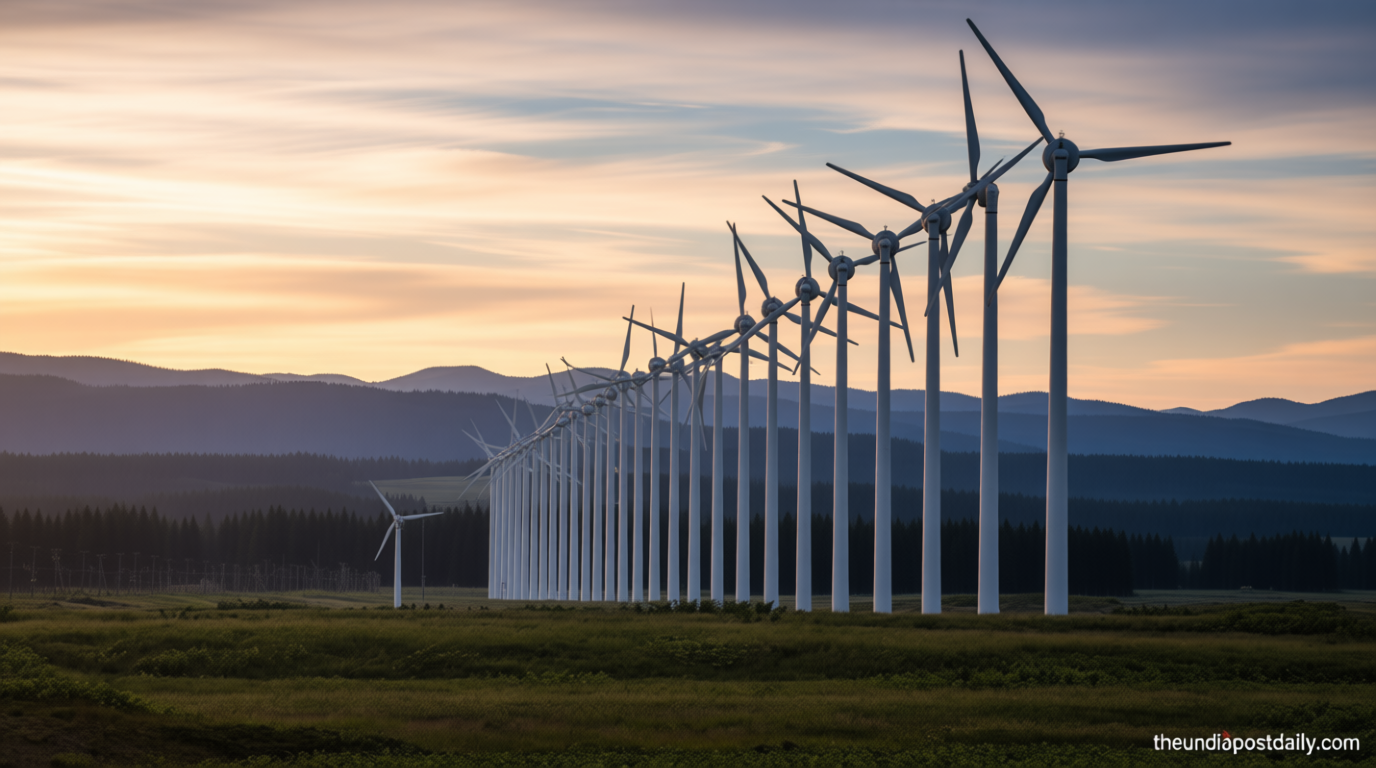
Sprng Energy Changes Hands Again: Shell’s $1.8 Billion Sale to Aditya Birla Group
Theindiapostdaily.com – Sprng Energy changes hands again, as the renewable energy company continues to navigate a dynamic ownership landscape. The latest transaction involves Shell’s $1.8 billion sale of its stake to Aditya Birla Group, marking the second major shift in the company’s ownership structure in less than four years. This deal not only highlights the evolving strategies of both entities but also underscores the growing momentum in India’s renewable energy market, where key players are consolidating their positions to meet ambitious clean energy goals.
Origins and Growth of Sprng Energy
Established in 2017, Sprng Energy emerged as a pivotal player in India’s renewable energy sector, driven by its focus on solar power and sustainable infrastructure. Initially backed by Actis, the company rapidly expanded its portfolio, securing contracts and partnerships that positioned it as a leader in the industry. Over the years, Sprng Energy has been instrumental in contributing to the country’s renewable capacity, with its operations spanning across multiple states and projects.
By 2022, the ownership of Sprng Energy had undergone a significant transformation when Actis sold the company to Shell for $1.55 billion. This acquisition allowed Shell to integrate Sprng Energy into its broader energy strategy, enhancing its presence in the Indian solar market. However, the shift in leadership and focus during this period also set the stage for future changes, as the company began to explore new avenues for growth and diversification.
Strategic Shifts and Market Dynamics
The ownership transition from Actis to Shell in 2022 was followed by a strategic pivot under new leadership. In January 2023, Wael Sawan assumed the role of Shell’s CEO, emphasizing a broader approach to energy that included both fossil fuels and renewables. This change signaled a potential realignment of priorities, as Shell sought to leverage its global resources for domestic expansion. Meanwhile, Aditya Birla Group, already a major force in renewable energy, began consolidating its assets through partnerships and acquisitions.
Aditya Birla Group’s efforts to strengthen its renewable energy portfolio culminated in its pursuit of a 49% stake in its own renewable division. Discussions with Standard Chartered in 2023 highlighted the group’s ambitions to scale operations, but the process faced delays when Qatar’s Nebras Power postponed its $400 million bid for a similar stake. These developments revealed the competitive nature of India’s renewable energy market and the strategic importance of Sprng Energy’s assets.
The Final Transaction and Its Implications
In July 2026, the ownership saga concluded with Aditya Birla Renewables Ltd (ABRen) acquiring Sprng Energy from Shell for $1.8 billion. This transaction brought together two complementary platforms, amplifying ABRL’s renewable energy capacity to nearly 9.3 GW. The integration of Sprng Energy’s projects, which included 3.3 GW of operational capacity and 1.7 GW under development, solidified ABRL’s position as one of India’s leading renewable energy developers.
“This acquisition aligns with our vision to expand renewable energy capacity to 20 GW over the next few years. It brings together two complementary platforms, creating a robust development pipeline and positioning us to play a pivotal role in India’s energy transformation,” stated Kumar Mangalam Birla, chairman of the Aditya Birla Group.
The deal not only strengthened ABRL’s market presence but also reflected the broader trend of consolidation in the Indian renewable sector. With the transaction finalized, ABRL now competes closely with industry giants like Adani Green Energy, ReNew Power, and Tata Power. The growing interest in renewable energy is driven by India’s commitment to achieving 500 GW of non-fossil fuel capacity by 2030, a target that has seen substantial progress, with 297 GW of total non-fossil fuel capacity already in place.
Impact on India’s Energy Transition
The Sprng Energy changes hands again transaction is a testament to the fluid nature of the renewable energy industry in India. As large players like Shell and Aditya Birla Group restructure their portfolios, smaller companies often find themselves at the center of strategic deals. This shift has implications for the country’s energy transition, as consolidated ownership can lead to more efficient project execution and greater investment in scalable solutions.
Aditya Birla Group’s acquisition of Sprng Energy exemplifies the strategic advantage of vertical integration in the renewable sector. By combining Sprng Energy’s operational expertise with its own infrastructure capabilities, ABRL is better positioned to meet the demands of India’s expanding energy market. This development also highlights the role of international partnerships in shaping the domestic renewable landscape, as companies like Shell and Nebras Power seek to capitalize on India’s growth potential.
Looking Ahead: The Future of Sprng Energy
With the completion of the $1.8 billion sale, the future of Sprng Energy is now intertwined with Aditya Birla Group’s broader ambitions. The company’s assets will be integrated into ABRL’s existing projects, potentially accelerating the development of new solar farms and energy storage solutions. This consolidation is expected to enhance the company’s ability to secure funding, optimize operations, and meet the rising demand for clean energy in India.
As the renewable energy sector continues to evolve, the Sprng Energy changes hands again story serves as a case study in the power of strategic acquisitions. The transaction not only reshapes the ownership dynamics of the company but also reflects the broader trend of corporate realignment in response to market demands and policy goals. With India’s renewable energy capacity projected to grow significantly, the new ownership structure is likely to drive innovation and efficiency in the industry.