Sonam Wangchuk hunger strike: 3 Idiots fame Omi Vaidya extends support – ‘Don’t want Funsukh Wangdu to die’| Watch
Sonam Wangchuk Hunger Strike: Omi Vaidya Backs Climate Activist's Protest Theindiapostdaily.com – Indian actor Omi Vaidya, renowned for his role as Chatur in the 2009 film *3 Idiots*, has lent…
Sonam Wangchuk Hunger Strike: Omi Vaidya Backs Climate Activist’s Protest
Theindiapostdaily.com – Indian actor Omi Vaidya, renowned for his role as Chatur in the 2009 film *3 Idiots*, has lent his voice to the ongoing hunger strike of Ladakhi environmental activist Sonam Wangchuk. The protest, led by the Cockroach Janta Party (CJP), is centered around the demand for the resignation of Union Education Minister Dharmendra Pradhan, following allegations of malpractice in the NEET (National Eligibility cum Entrance Test) examination system. Vaidya’s support underscores the growing public interest in Wangchuk’s cause, which has drawn attention not only for its political implications but also for its symbolic resonance in the context of his real-life contributions to sustainable development.
The Ripple Effect of a Fasting Movement
Wangchuk, who has been fasting at Delhi’s Jantar Mantar since June 28, has become a focal point for discussions around transparency in education policies. His hunger strike has sparked debates across social media platforms, with supporters amplifying his message through hashtags and viral posts. Vaidya’s endorsement, which references the iconic character Funsukh Wangdu from *3 Idiots*, highlights the connection between the film’s narrative and the real-world struggles of the activist. “I don’t want Funsukh Wangdu to die,” Vaidya tweeted, drawing parallels between the movie’s themes and Wangchuk’s current fight for accountability.
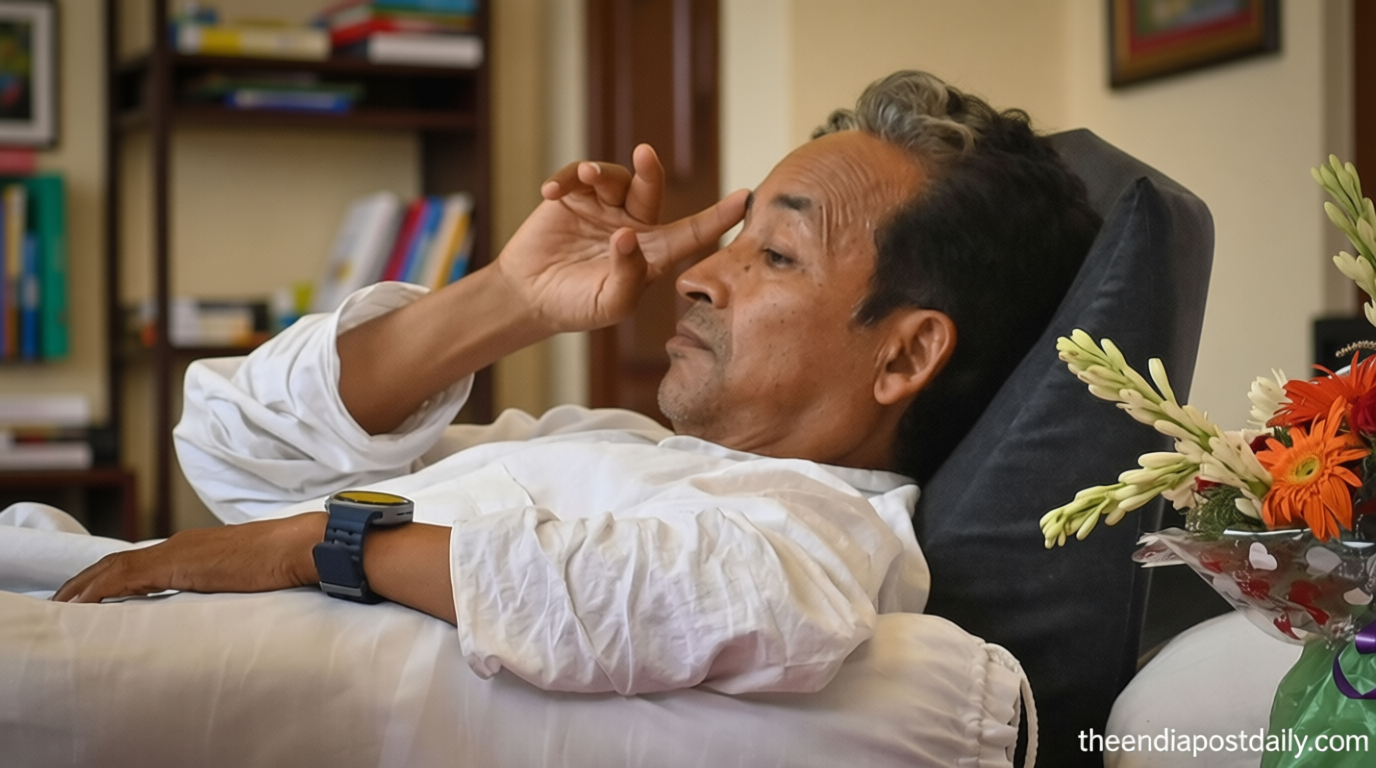
Wangchuk, a 59-year-old engineer and educator from Ladakh, has long been a champion of environmental conservation and community-driven development. His hunger strike, now entering its 17th day, has not only tested his physical endurance but also drawn international attention to the issues at stake. According to CJP founder Abhijeet Dipke, the protest has taken a toll on Wangchuk’s health, with reports of significant muscle loss, severe pain, and fluctuating blood sugar levels. “He has started losing muscle mass and is in immense pain,” Dipke wrote on X, adding that he has urged Wangchuk to end the fast for his own well-being.
Wangchuk’s condition has become a symbol of the movement’s intensity, with his visible weakness and the prominence of his rib cage capturing public imagination. The protest, which began during the monsoon session of Parliament on July 20, has highlighted the intersection of education reform and broader socio-economic concerns in rural India. Supporters argue that the NEET system’s complexities have disproportionately affected students from remote regions, exacerbating inequalities in access to quality education. Sonam Wangchuk hunger strike has thus evolved into a platform for advocating systemic change beyond the immediate issue of the examination process.
Global Solidarity and Public Pressure
The hunger strike has garnered support from a diverse array of figures, including writers, activists, and economists. Notable endorsements have come from Arundhati Roy, Naseeruddin Shah, and Jayati Ghosh, who have called for a dialogue between protesters and the government. These voices have amplified the urgency of the demand, which is not just about resigning Pradhan but also about reforming the education infrastructure to better serve marginalized communities. Sonam Wangchuk hunger strike, in this context, represents a broader call for policy transparency and public accountability.
Vaidya’s connection to Wangchuk dates back to the 2009 film *3 Idiots*, which was inspired by the activist’s life and work. The movie’s enduring popularity has helped keep Wangchuk’s current protest in the cultural spotlight. As the hunger strike continues, the synergy between the film’s legacy and the activist’s real-world impact remains a key point of discussion. “Don’t ask me to end my fast,” Wangchuk stated recently, “ask the govt why they won’t even have a dialogue.” This sentiment reflects the determination of the protesters, who see their strike as a necessary step toward meaningful change.
The CJP’s campaign has also emphasized the personal sacrifices of Wangchuk, who is losing weight and facing health complications despite his resolve. His protest has become a rallying point for those who believe that systemic issues in education require direct action. With over 100 days of fasting now in the works, the movement has shifted from a localized issue to a national conversation, drawing parallels between the activist’s plight and the broader struggles of grassroots campaigns in India. Sonam Wangchuk hunger strike has, in essence, transformed into a testament of unwavering commitment to justice.
Political leaders and public figures have joined the chorus of support, with Mahua Moitra urging Wangchuk to consider ending his fast. However, the activist remains steadfast, viewing his protest as a critical moment to pressure the government into action. The NEET exam controversy, which began with claims of irregularities in scoring and question paper distribution, has since escalated into a broader critique of bureaucratic inefficiencies. As the hunger strike gains momentum, it serves as a reminder of the power of individual action in shaping collective outcomes. The Sonam Wangchuk hunger strike has become more than a personal struggle—it is a movement that resonates with the aspirations of a generation seeking equitable opportunities.