Iran conflict strains US missile stockpiles: New report raises concerns over future war readiness
Iran Conflict Strains US Missile Stockpiles: New Report Raises Concerns Over Future War Readiness Missile Inventory Depletion Sparks Debate Iran conflict
Iran Conflict Strains US Missile Stockpiles: New Report Raises Concerns Over Future War Readiness
Missile Inventory Depletion Sparks Debate
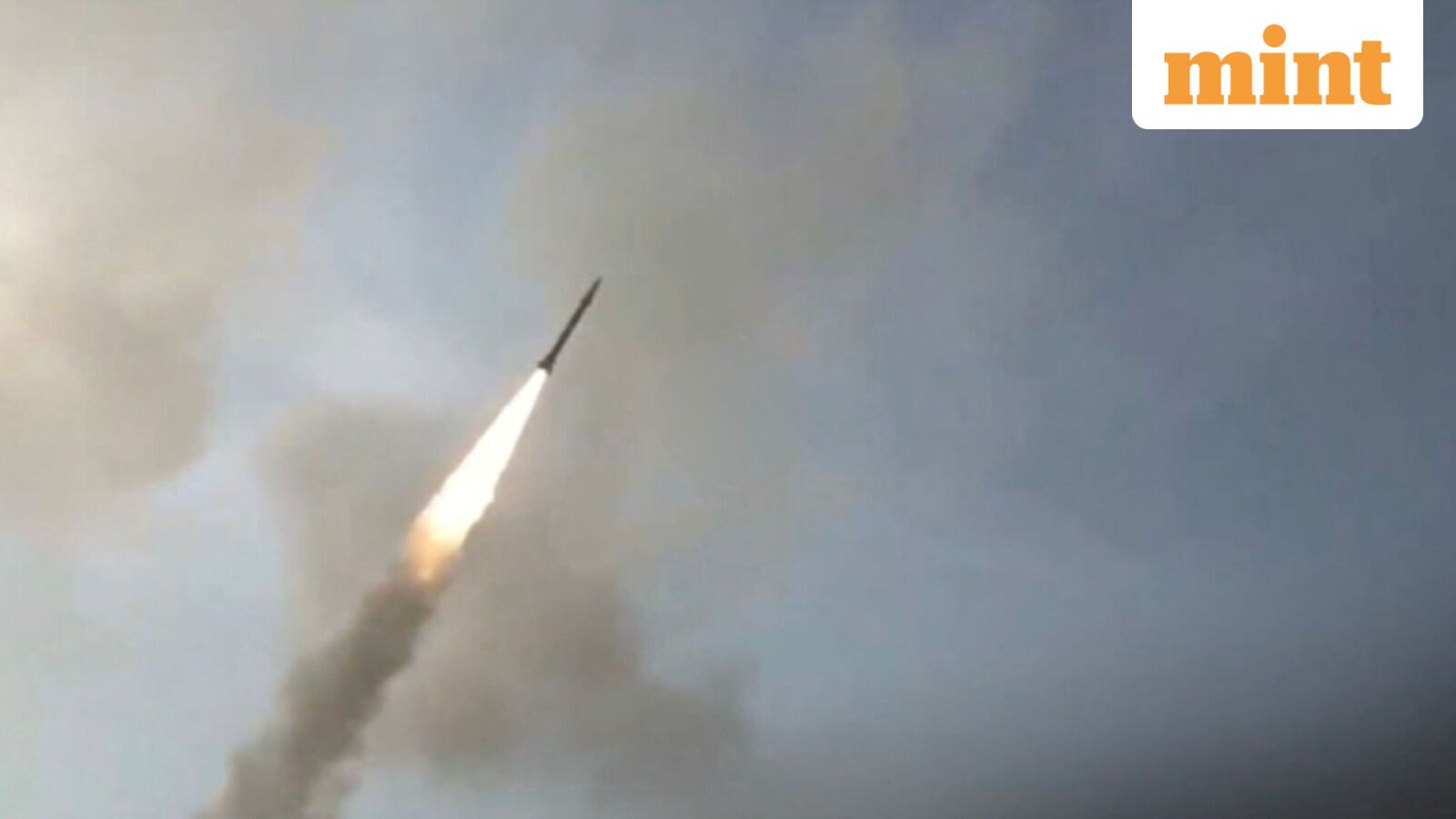
Theindiapostdaily.com – The Iran conflict has significantly strained the United States’ missile stockpiles, according to a recent report that highlights potential challenges to the nation’s military preparedness. As tensions with Iran escalate, the rapid deployment of critical missile systems has led to a noticeable reduction in reserves, prompting defense analysts to voice apprehensions about sustained combat readiness. The conflict, which began in late 2023, has intensified the use of advanced missile technology, with experts warning that the current pace of consumption may outstrip replenishment efforts.
While the conflict has seen periodic pauses, the cumulative effect on missile inventories has already raised eyebrows among military strategists. The report underscores that the US is facing a strategic dilemma: maintaining readiness in the face of an unpredictable adversary while managing limited resources. This situation has sparked discussions about the need for accelerated production and more efficient stockpile management. The Department of Defense’s ability to respond swiftly to emerging threats now hinges on the pace at which new missiles can be manufactured and deployed.
“The current missile stockpiles are being tested like never before, and the Iran conflict has exposed vulnerabilities in the US defense strategy,” noted Dr. Laura V. Ramirez, a defense policy analyst at the Atlantic Council. “Without immediate action, these shortages could compromise our ability to project power globally.”
Resource Allocation and Operational Impact
Early in the conflict, US forces launched Operation Epic Fury, which saw the use of thousands of guided missiles in both offensive and defensive operations. According to a detailed analysis by the Center for Strategic and International Studies (CSIS), the Pentagon had consumed at least half of its THAAD interceptors, nearly half of its Patriot air defense missiles, and approximately 30% of its Tomahawk land-attack missiles by the time the initial phase concluded. These figures reflect the intensity of missile engagement in the region and the strategic importance of each system.
Rebuilding these stockpiles will require sustained effort, as current Pentagon delivery schedules show only modest monthly replenishment. The department receives about 15 Tomahawk missiles and 20 Patriot interceptors each month, with no THAAD deliveries expected until 2026. CSIS estimates that it could take three to five years for inventory levels to return to pre-conflict conditions, emphasizing the long-term implications for the US military’s operational flexibility.
Elaine McCusker, a senior fellow at the American Enterprise Institute and former acting Pentagon comptroller, highlighted that most ammunition reserves would need two to five years to replenish. Retired Army lieutenant general John Ferrari added that Congress has not yet allocated specific funds to replace missiles used during the conflict, relying instead on standard procurement processes. This approach may delay the restoration of critical missile capabilities, leaving the US vulnerable to future confrontations.
Strategic Implications and Deterrence Concerns
Although the Pentagon maintains that US forces are still fully equipped for missions, the depletion of missile stockpiles has introduced a new layer of complexity. Sean Parnell, the department’s chief spokesperson, stated that recent operations demonstrate the military’s extensive capabilities even amid resource challenges. However, the report argues that the strategic risk is not fully mitigated, as the US must balance immediate needs with long-term readiness.
Efforts to boost production include invoking the Defence Production Act to expedite missile manufacturing. Agreements with allies like Germany and Ukraine to produce Patriot interceptors could alleviate pressure on domestic production lines, though large-scale output is still years away. This international collaboration is seen as a potential lifeline, but analysts caution that it may not be enough to counter the growing demands of global conflicts.
Brookings Institution fellow Michael O’Hanlon argued that the US has not lost its deterrence capacity, but he warned that persistent shortages could weaken strategic leverage over time. “Even with a strong arsenal, the rate of consumption during the Iran conflict suggests we need to rethink how we allocate and sustain our missile resources,” O’Hanlon said. The report also points to the need for improved forecasting to prevent future shortages in critical regions like the Indo-Pacific.
The impact of the Iran conflict on missile stockpiles extends beyond immediate operational concerns. Experts warn that the depletion of these reserves could affect the US’s ability to respond to other threats, such as those posed by China or North Korea. The report calls for a reevaluation of procurement strategies and the prioritization of missile production to ensure the nation’s military readiness remains intact in an era of geopolitical uncertainty.