Indian sailor killed in Hormuz attack; FSUI asks, ‘How long will we keep counting deaths?’
Indian Sailor Killed in Hormuz Attack: FSUI Demands Urgent Government Action Theindiapostdaily.com – A tragic incident unfolded in the strategic Strait of Hormuz when Iranian cruise missiles struck two Emirati…
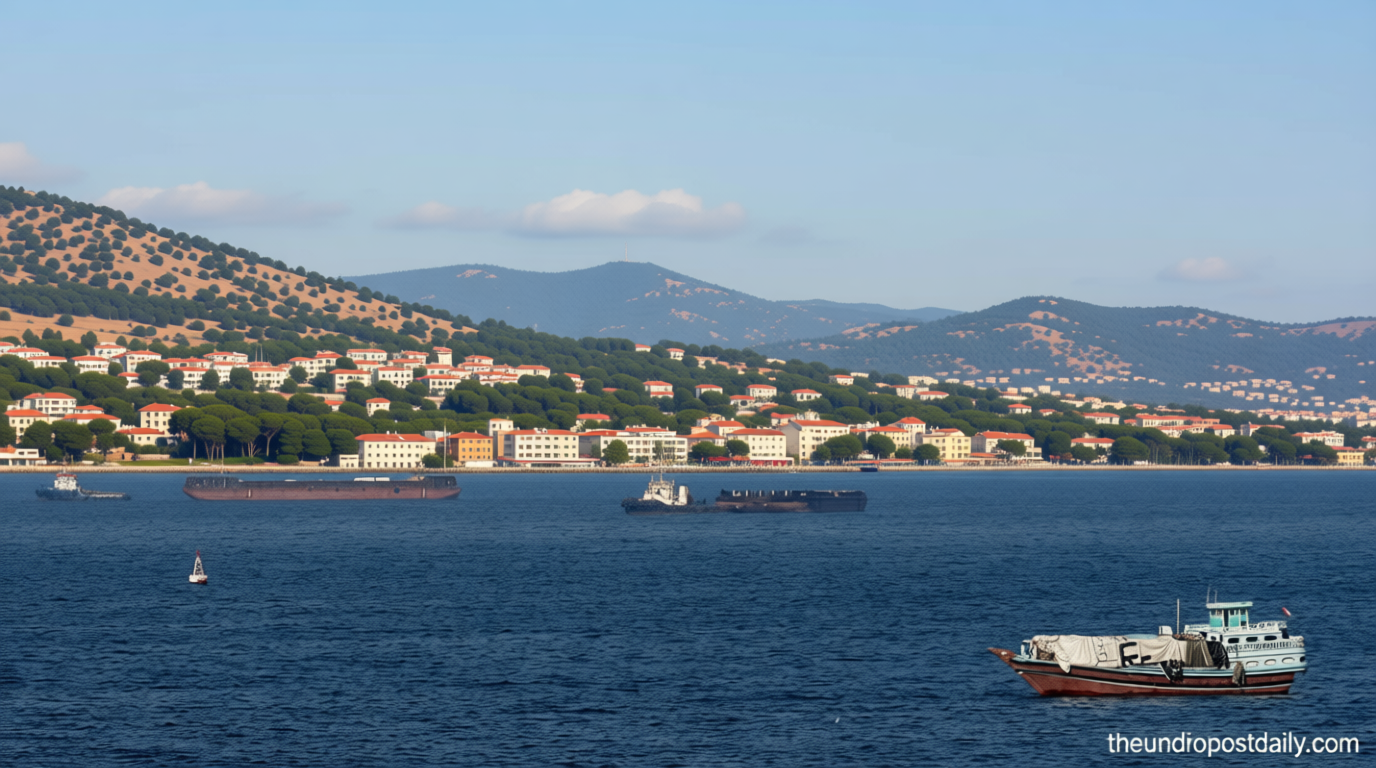
Indian Sailor Killed in Hormuz Attack: FSUI Demands Urgent Government Action
Theindiapostdaily.com – A tragic incident unfolded in the strategic Strait of Hormuz when Iranian cruise missiles struck two Emirati oil tankers, the Mombasa and Al Bahiyah, causing the death of one Indian crew member and injuring eight others, as confirmed by the UAE’s Defence Ministry. The attack took place in Omani waters, specifically in the southern lane of the strait, highlighting the growing risks for maritime workers in the region. This incident has sparked renewed calls for action from the Forward Seamen’s Union of India (FSUI), which is now questioning how long the nation will continue to tally the lives lost at sea.
FSUI’s Growing Concerns Over Maritime Safety
Days prior to the confirmation of the sailor’s death, the FSUI had already raised critical concerns on social media platforms about the increasing threats to Indian seafarers. The union emphasized that the Indian maritime workforce is frequently exposed to dangers stemming from geopolitical tensions in the Gulf. This latest attack, which resulted in the loss of an Indian life, has prompted the FSUI to demand more decisive measures from the government to protect its sailors. The union’s persistent advocacy underscores a broader issue: the vulnerability of Indian crew members in volatile regions.
“How long will we keep counting the deaths of our seafarers? When will the government act?” – a poignant question posed by the FSUI in its latest statement, reflecting the frustration of maritime workers and their families. The union has compiled a list of vessels impacted by attacks in the region, including MT Settebello, MT Marivex, MT Jalveer, and MT Safesea Vishnu, alongside the Mombasa. These incidents have not only raised safety concerns but also highlighted the need for international collaboration to address the escalating situation.
Escalating Tensions and Casualty Impact
The attack on the Mombasa and Al Bahiyah occurred amid heightened tensions between the United States and Iran, which have been intensifying in recent weeks. The UAE’s Defence Ministry confirmed that six of the injured crew members were Indian nationals, while two were Ukrainian. Four of the eight sailors suffered severe injuries, with the attack causing fires on both vessels. Despite the damage, efforts to contain the flames were successful, though the event has left the Indian maritime community deeply affected.
Indian sailor killed in Hormuz attack has reignited discussions about the role of regional actors in safeguarding commercial shipping. The UAE’s response to the incident has been firm, with the ministry stating that the country will not remain passive in the face of such threats. Meanwhile, the impact of the attack on international oil markets has been notable, as the Strait of Hormuz, a critical chokepoint for global energy trade, continues to experience disruptions. This has led to a surge in oil prices, with the Brent crude benchmark rising 7.8% to $81.92 per barrel, though prices have not yet reached the $120 peak seen during earlier conflicts.
Geopolitical Fallout and Global Response
The incident has further strained relations between Iran and Gulf nations, with the UAE and Bahrain now taking more aggressive stances against Iranian military actions. Bahrain, which hosts the US Navy’s Fifth Fleet, recently activated missile alerts following renewed Iranian attacks, according to reports from the Associated Press. Jordan also confirmed that it had intercepted four Iranian missiles entering its airspace, underscoring the widespread regional instability.
Indian sailor killed in Hormuz attack has drawn attention to the strategic significance of the strait, a vital corridor for approximately one-fifth of the world’s crude oil and natural gas. The ongoing clashes between the US and Iran have created a climate of uncertainty, with Iranian forces targeting Gulf vessels and the US retaliating with strikes. This cycle of attacks has not only endangered commercial shipping but also raised questions about the long-term implications for international trade and diplomacy. The FSUI’s call for intervention from global bodies like the International Maritime Organization (IMO) and International Labour Organization (ILO) reflects the urgent need for a coordinated response to protect maritime workers.
Historical Context and Union’s Advocacy
The FSUI has been a vocal advocate for Indian seafarers for years, emphasizing their critical role in global supply chains. With over 1.5 million Indian workers employed in the maritime sector, the union has consistently highlighted the risks they face in regions marked by conflict. This latest attack is part of a series of incidents that have placed Indian crew members in harm’s way, prompting the FSUI to question the government’s commitment to their safety.
The union’s efforts to raise awareness have led to increased scrutiny of the geopolitical environment in the Gulf. By naming the affected vessels and detailing the casualties, the FSUI aims to pressure policymakers to take immediate action. The incident also serves as a reminder of the broader economic consequences of such attacks, as disruptions in the Strait of Hormuz can have ripple effects across the global energy market. With the Indian sailor killed in Hormuz attack, the international community is now more focused on ensuring the security of maritime routes and the welfare of seafarers.