India speeds up desilting works at J&K hydropower projects
India Expedites Desilting Efforts at Jammu and Kashmir Hydropower Sites Theindiapostdaily.com – India has accelerated desilting works at key hydropower projects in Jammu and Kashmir, including the Salal Dam, as…
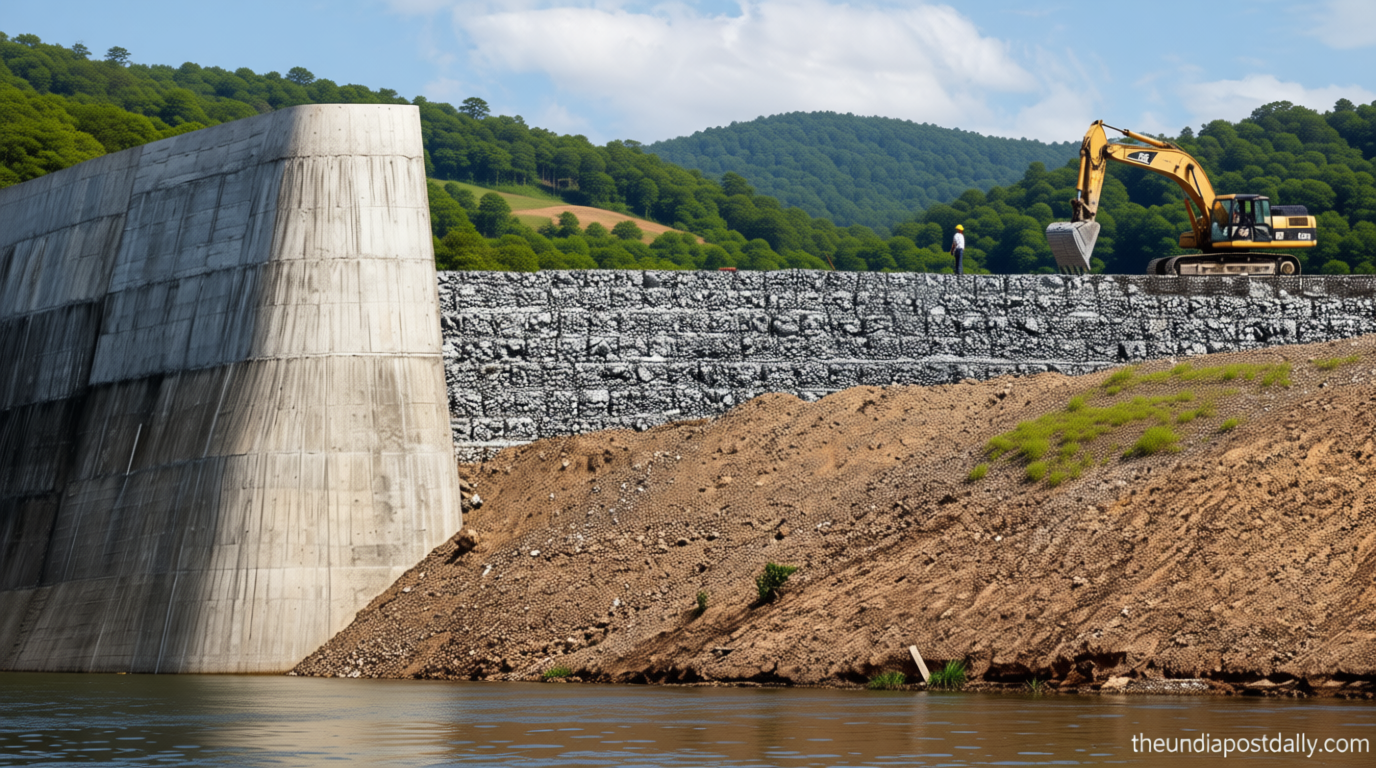
India Expedites Desilting Efforts at Jammu and Kashmir Hydropower Sites
Theindiapostdaily.com – India has accelerated desilting works at key hydropower projects in Jammu and Kashmir, including the Salal Dam, as part of a broader strategy to optimize energy generation and address sedimentation challenges. The National Hydroelectric Power Corporation (NHPC) Ltd has partnered with Hindustan Construction Co. Ltd to implement desilting facilities, a move that underscores the government’s commitment to maintaining the efficiency of critical infrastructure. These efforts are particularly significant for dams located along rivers that feed into Pakistan, as sediment buildup threatens the long-term viability of hydropower capacity and could impact regional water treaties. By prioritizing desilting operations, India aims to ensure sustainable power production and minimize disruptions to water flow in shared river systems.
Enhancing Operational Efficiency Through Desilting
The desilting initiative is designed to tackle the gradual accumulation of silt in hydropower reservoirs, a persistent issue that has affected energy output across multiple projects in the region. Over time, sediment deposits reduce the effective storage capacity of dams, leading to diminished electricity generation and increased maintenance costs. India’s focus on speeding up desilting works reflects the urgent need to address these challenges, especially as climate change and glacial melt alter water availability patterns. The process involves the removal of sediment layers, which not only restores the operational efficiency of existing facilities but also extends their lifespan, ensuring continued contributions to the national power grid.
Experts emphasize that the long-term success of hydropower projects depends on proactive sediment management. The collaboration between NHPC and Hindustan Construction Co. Ltd highlights the integration of advanced engineering techniques to streamline desilting operations. This includes the use of specialized machinery and infrastructure designed to efficiently extract sediment without compromising the structural integrity of the dams. The government’s push to speed up desilting works also aligns with broader energy security goals, as hydropower remains a vital component of India’s renewable energy mix. By tackling sedimentation, the initiative aims to stabilize power supply, particularly in regions where hydropower accounts for a significant share of electricity generation.
Strategic Implications for India-Pakistan Water Disputes
India’s desilting efforts at hydropower projects in Jammu and Kashmir are not only a technical necessity but also a strategic move with implications for the Indus Waters Treaty (IWT). The IWT, signed in 1960, governs the distribution of water from the Indus River system between India and Pakistan, and sedimentation has long been a point of contention. By taking the lead in desilting operations, India seeks to assert its role in managing shared water resources and potentially reduce disputes over water allocation. The process ensures that the flow of water into Pakistan remains consistent, which is crucial for both energy production and agricultural needs in the neighboring country.
Desilting works also play a critical role in mitigating the risks of dam failures, a concern that has been amplified by recent climate-related events. The increased focus on this initiative demonstrates India’s preparedness to adapt to changing environmental conditions and safeguard infrastructure. While the immediate benefits are clear, the long-term impact of desilting could influence future negotiations under the IWT, as it addresses one of the key factors affecting water availability. This proactive approach not only strengthens India’s energy security but also positions the country as a leader in sustainable water management practices.
“Desilting is a vital step in ensuring the uninterrupted functioning of hydropower plants, particularly those along the Indus River system,” stated an official from NHPC, highlighting the strategic importance of the work. “By addressing sedimentation, we are safeguarding both energy production and the stability of water resources shared with Pakistan.”
The expanded desilting program is part of a larger government strategy to modernize infrastructure and enhance resilience against climate challenges. With several dams in Jammu and Kashmir facing declining efficiency due to sedimentation, the initiative aligns with national goals to increase renewable energy capacity and reduce reliance on fossil fuels. Additionally, the project serves as a model for other hydropower sites across the country, demonstrating how systematic maintenance can yield long-term benefits. As India continues to speed up desilting works, the focus remains on balancing technical, economic, and geopolitical considerations to ensure the sustainability of both energy and water systems.