Gold, silver rates today: Comex gold drops $117/oz; silver tumbles $2.4 as Iran-US tensions trigger oil price rebound
Gold, Silver Rates Today: Comex Gold Drops $117/Ounce; Silver Tumbles $2.4 as Iran-US Tensions Trigger Oil Price Rebound Market Volatility Amid Geopolitical Uncertainty Theindiapostdaily.com – The precious metals market faced…
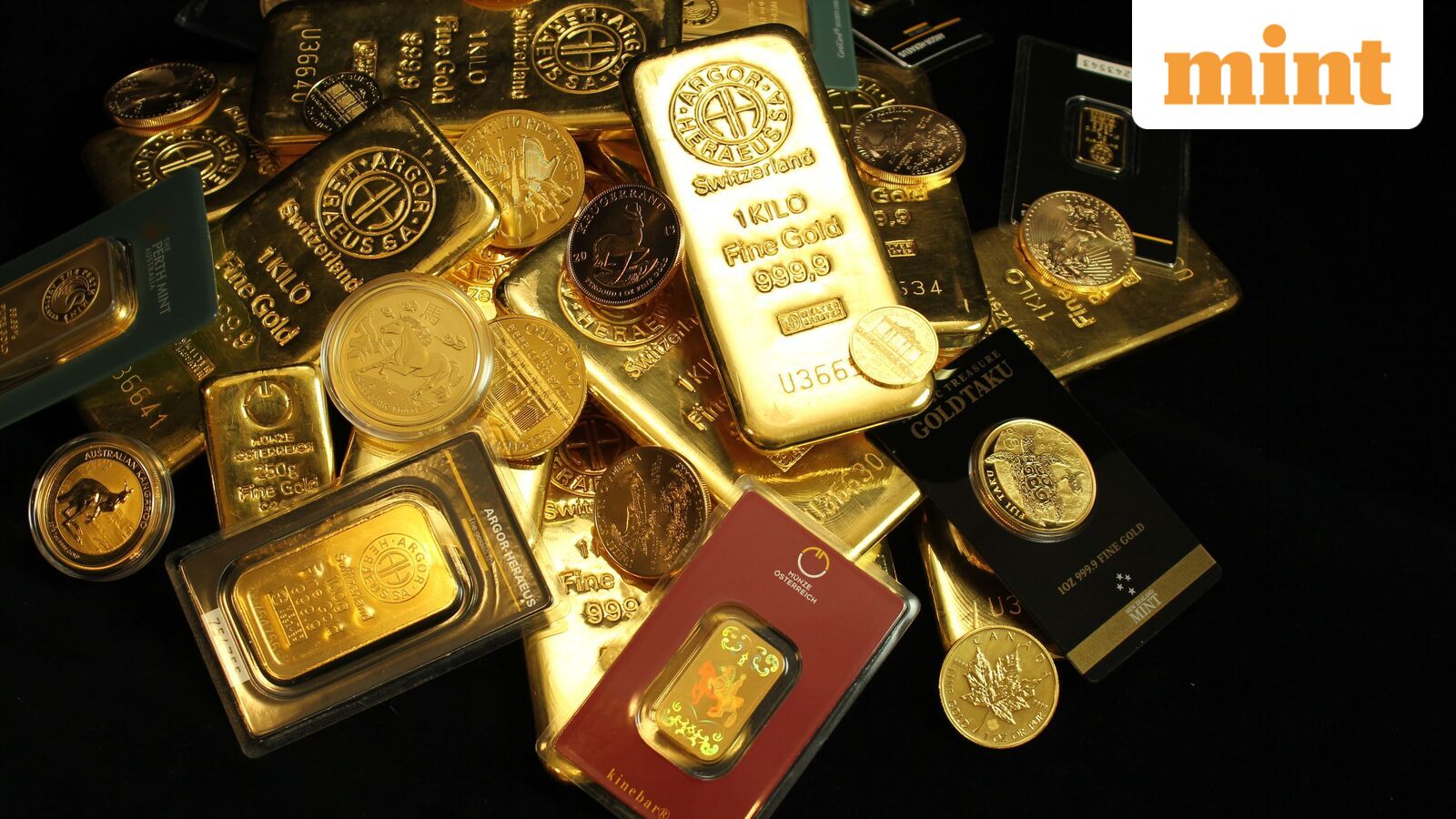
Gold, Silver Rates Today: Comex Gold Drops $117/Ounce; Silver Tumbles $2.4 as Iran-US Tensions Trigger Oil Price Rebound
Market Volatility Amid Geopolitical Uncertainty
Theindiapostdaily.com – The precious metals market faced sharp declines on Monday, driven by renewed concerns over the Middle East conflict. As tensions between Iran and the United States escalated, investors grew wary of prolonged inflationary pressures, which could sustain higher interest rates for an extended period. This anxiety translated into a notable drop in gold and silver prices, with the two metals trading at their lowest levels in days. The decline marked a continuation of a broader trend, as gold had closed the previous four months in negative territory, losing over 13% of its value since the conflict began.
Comex gold experienced a significant decline of $117 per troy ounce, hitting a session low of $4,476. This drop erased all recent gains and set the stage for a second consecutive day of losses for the metal. Meanwhile, silver prices also faced pressure, falling nearly $2.4 per ounce to reach a day’s low of $73.5. The white metal, historically more volatile than gold, wiped out its May gains, underscoring the market’s sensitivity to geopolitical shifts. Over the last three months, silver has fallen nearly 19%, reflecting deepening uncertainty in the sector.
Iran-US Escalation Sparks New Concerns
Geopolitical tensions in the Middle East, which had been relatively stable for weeks, resurfaced following recent attacks between Iran and the United States. These developments reignited fears that the conflict could escalate again to levels seen at the start of the war. The resurgence of hostilities prompted a sharp rebound in crude oil prices, with both Brent and WTI crude surging more than 7% during the session. This rise in oil prices underscored the interconnectedness of global markets and the ripple effects of regional instability.
Iran reportedly suspended communication with the U.S. in response to Israel’s intensifying military operations in Lebanon. According to the semi-official Tasnim News Agency, Iran’s negotiating team would halt talks and the exchange of documents through mediators, accusing Washington of sending mixed signals and prolonging the conflict. The Iranian government emphasized its determination to maintain control over the Strait of Hormuz, a critical artery for global oil shipments, and preserve its nuclear program as key demands in the ongoing negotiations. These positions have complicated efforts to reach a lasting ceasefire, despite earlier signals of cooperation from both sides.
“Iran’s negotiating team will halt talks and the exchange of documents through mediators, accusing Washington of sending mixed signals and prolonging negotiations,” stated the Tasnim News Agency, highlighting the fractured diplomatic environment.
Oil Price Surge Drives Market Reactions
The renewed hostilities between Iran and the U.S. directly influenced oil markets, which saw a dramatic rebound in prices. Crude oil futures rose sharply as fears of supply disruptions grew, with Brent and WTI crude climbing over 7% in a single session. This surge reflected investor sentiment shifting toward riskier assets, a common response to geopolitical uncertainty. The oil price rally, however, came at the expense of precious metals, which lost momentum as traders prioritized energy sector gains.
Analysts noted that the conflict’s potential to disrupt oil supplies has become a focal point for markets. The Strait of Hormuz, a vital shipping route, remains a strategic concern for both nations. Iran’s insistence on maintaining control over this region has intensified speculation about its willingness to escalate the conflict. Meanwhile, the U.S. accused Iran of violating the ceasefire, while Iran retaliated by blaming Washington for undermining peace efforts through conflicting statements and actions.
Extended Decline in Precious Metals
Gold’s decline continued into the second week of May, with the near-month futures contract on MCX dropping ₹2,448 per 10 grams to ₹1,53,297—a two-week low. Over the past nine trading sessions, including today, gold prices have fallen by ₹8,761 from their recent highs, based on the day’s low. This trend has raised questions about the metal’s long-term prospects, particularly as inflation concerns and the possibility of higher interest rates weigh on demand.
Silver, which has been more volatile than gold, also declined steeply. The MCX silver futures contract hit a day’s low of ₹2,62,100, down ₹4,900 per kilogram. After briefly crossing the ₹3 lakh mark earlier in the week, silver struggled to maintain its rally, leading to a cumulative drop of ₹42,791 from its peak. The metal’s performance has been a barometer for market sentiment, with investors reacting to both macroeconomic factors and geopolitical developments.
Market Uncertainty and Policy Statements
Earlier this week, both Iran and the U.S. had signaled a desire to de-escalate the conflict, but the latest attacks tested these aspirations. The U.S. President, Donald Trump, had authorized a new wave of strikes against Iran but temporarily held back after leaders from Qatar, Saudi Arabia, and the United Arab Emirates requested more time for diplomatic discussions. This pause allowed markets to reassess risks, but the swift resumption of hostilities quickly reversed any gains.
The conflicting statements from both nations have kept the precious metals market in flux. While hopes of a resolution were raised, the immediate threat of renewed conflict has driven investors toward safe-haven assets like gold and silver. However, the recent price declines suggest that the market is still uncertain about the outcome. The combination of inflationary pressures, interest rate expectations, and geopolitical risks has created a perfect storm for volatility, with traders closely monitoring developments in the region.
Looking Ahead: Key Factors to Watch
As the situation in the Middle East evolves, the precious metals market will remain sensitive to any new developments. The suspension of diplomatic talks by Iran and the U.S. could prolong the conflict, further impacting oil prices and, by extension, the demand for metals. Analysts suggest that the metal’s performance will depend on whether tensions ease or intensify. For now, gold and silver appear to be under pressure, with prices reflecting the market’s cautious outlook.
Investors are advised to stay informed about the evolving geopolitical landscape and to consult certified experts before making decisions. The recent fluctuations in gold and silver prices highlight the importance of monitoring both macroeconomic indicators and regional dynamics. While the conflict’s resolution remains uncertain, the market’s response to the situation will continue to shape the trajectory of precious metals in the coming weeks.
Disclaimer: We advise investors to check with certified experts before making any investment decisions.