US-Iran war: MoU ‘in crisis’! From Strait of Hormuz to Lebanon — key disputes threatening interim ceasefire explained
The US Iran war has taken a precarious turn as the interim ceasefire agreement, known as
US-Iran War: MoU in Crisis Over Hormuz and Lebanon Disputes
Theindiapostdaily.com – The US Iran war has taken a precarious turn as the interim ceasefire agreement, known as the Islamabad MoU, faces mounting pressure. Signed in June, the deal aims to reduce hostilities and ensure safe passage through the strategically vital Strait of Hormuz. However, tensions are rising over key disagreements that threaten to unravel the fragile truce. Both the United States and Iran are accusing each other of violating the terms, with disputes over military operations and economic sanctions becoming central points of contention.
Strait of Hormuz: A Flashpoint for Escalation
One of the most contentious issues revolves around the passage of commercial ships through the Strait of Hormuz. Article 5 of the MoU mandates that Iran must allow unimpeded access for vessels without tolls for 60 days. The U.S. and Gulf nations argue that the agreement only requires safe passage, not an outright guarantee of unrestricted movement. This ambiguity has fueled accusations from both sides, with the U.S. claiming Iran is obstructing trade and Iran countering that Washington is undermining the agreement by controlling security protocols in the region.
“The Hormuz Strait is OPEN, and will remain OPEN, with or without Iran,” Trump stated on Truth Social. “We are reinstating THE IRANIAN BLOCKADE. The U.S.A. will be reimbursed at 20% on all cargo shipped for costs related to ensuring safety and security in this volatile region,” he added.
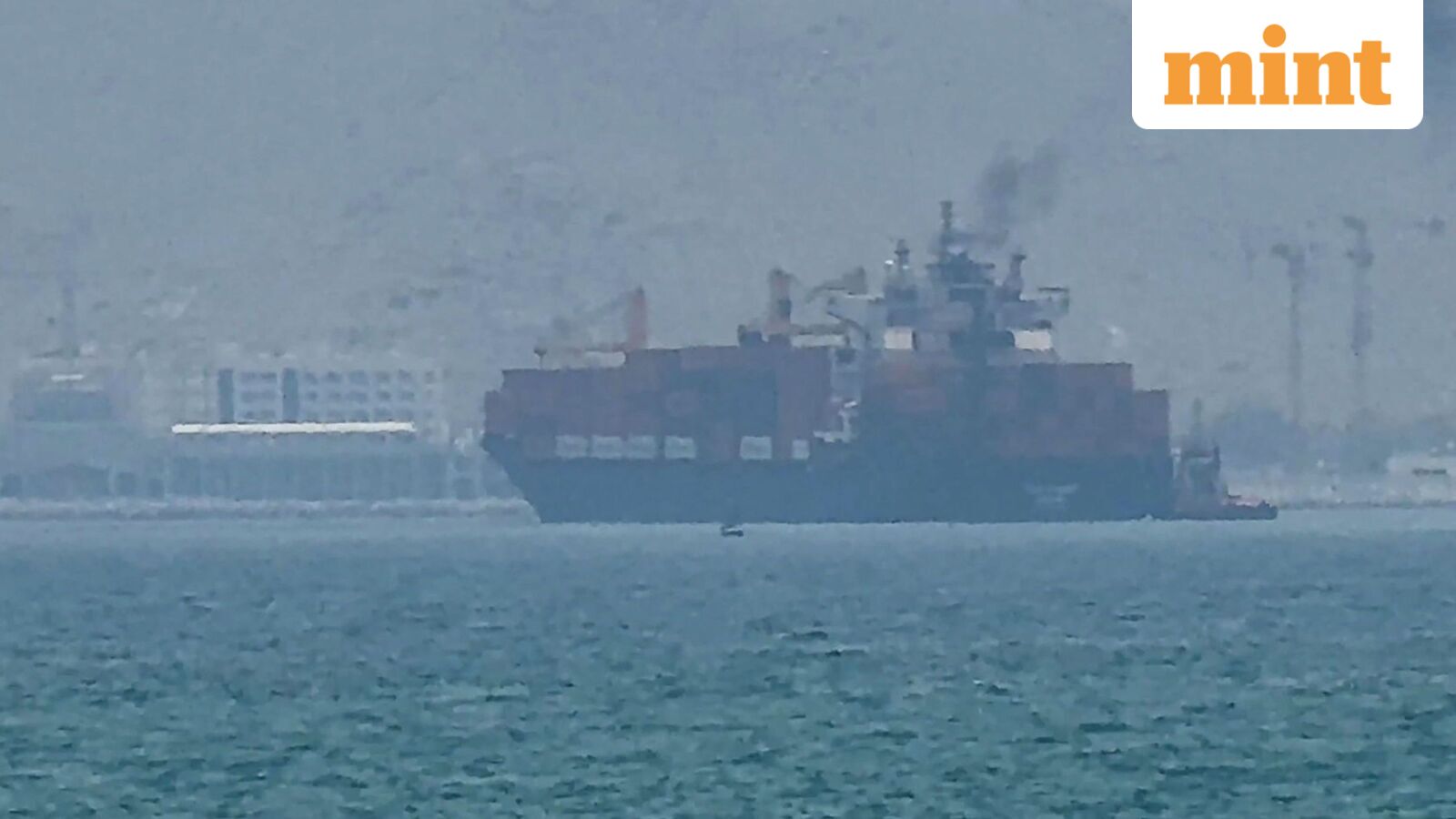
Iran’s recent actions, including attacks on ships in the Strait, have reignited fears of renewed conflict. These strikes, which targeted cargo and fishing vessels, were seen as deliberate attempts to disrupt the agreement. The U.S. has criticized these moves as reckless, while Iran asserts they are necessary to enforce its territorial rights and deter Western interference. The dispute has raised concerns about the stability of the region and the potential for the ceasefire to collapse.
Oil Waiver Revoked: Economic Strain and Geopolitical Fallout
A significant point of friction involves Article 10 of the MoU, which allowed the U.S. to grant waivers for Iranian oil exports. This provision was crucial for Iran, providing temporary relief from stringent sanctions and helping sustain its economy. However, on July 7, the U.S. revoked the waiver, labeling Iran’s actions in the Strait as “wholly unacceptable.” This move has sent shockwaves through global markets, as Iranian oil exports now face renewed restrictions.
The decision to withdraw the oil waiver has intensified economic pressure on Iran, which relies heavily on oil exports for revenue. Analysts warn that this could exacerbate the nation’s financial struggles and further strain relations with the U.S. Iran has condemned the move as a breach of the ceasefire agreement, arguing that the U.S. is using economic leverage to force its will on the region. The revocation underscores the ongoing rivalry between the two powers and the delicate balance of the interim truce.
The broader implications of the US Iran war are becoming increasingly evident. With the MoU at risk of collapse, the potential for renewed military clashes looms large. The Strait of Hormuz, a critical chokepoint for global oil shipments, remains a symbol of the conflict’s reach. Meanwhile, the dispute over Lebanon’s role in the agreement highlights the complexity of regional alliances and the shifting dynamics in the Middle East.
Frozen Assets: A Lingering Dispute
Article 11 of the MoU requires the U.S. to make Iran’s frozen financial assets accessible for use, pending final procedures during talks. These assets, totaling about $6 billion, were held in Qatari accounts following the 2018 withdrawal from the Iran nuclear deal. Despite the agreement’s terms, the assets have not been transferred to Iran, as Qatar announced on June 30. The U.S. has maintained that the process is ongoing and that both Washington and Doha will keep oversight over the funds.
Iran’s frustration with the frozen assets issue reflects its broader grievances with the U.S. regime. The nation argues that these funds are essential for stabilizing its economy and fulfilling the agreement’s economic objectives. The delay in releasing the assets has been seen as a sign of U.S. reluctance to fully honor the ceasefire, adding another layer of tension to the already volatile US Iran war. This dispute could serve as a catalyst for renewed hostilities if unresolved.
As the US Iran war continues, the stakes are higher than ever. The interim ceasefire, while a step toward peace, is being tested by persistent disagreements. The conflicts over the Strait of Hormuz, oil waivers, and frozen assets illustrate the challenges of maintaining stability in the region. With both sides vying for control, the outcome of these disputes will determine the future of the ceasefire and the trajectory of the ongoing US Iran war.