US hits Bandar Abbas, Sirik and Jask after Iran shoots down Apache helicopter over the Strait of Hormuz
US Launches Airstrikes on Bandar Abbas and Sirik After Iranian Apache Downing Theindiapostdaily.com – The United States conducted targeted airstrikes on Bandar Abbas and Sirik in Iran’s Hormozgan province as…
US Launches Airstrikes on Bandar Abbas and Sirik After Iranian Apache Downing
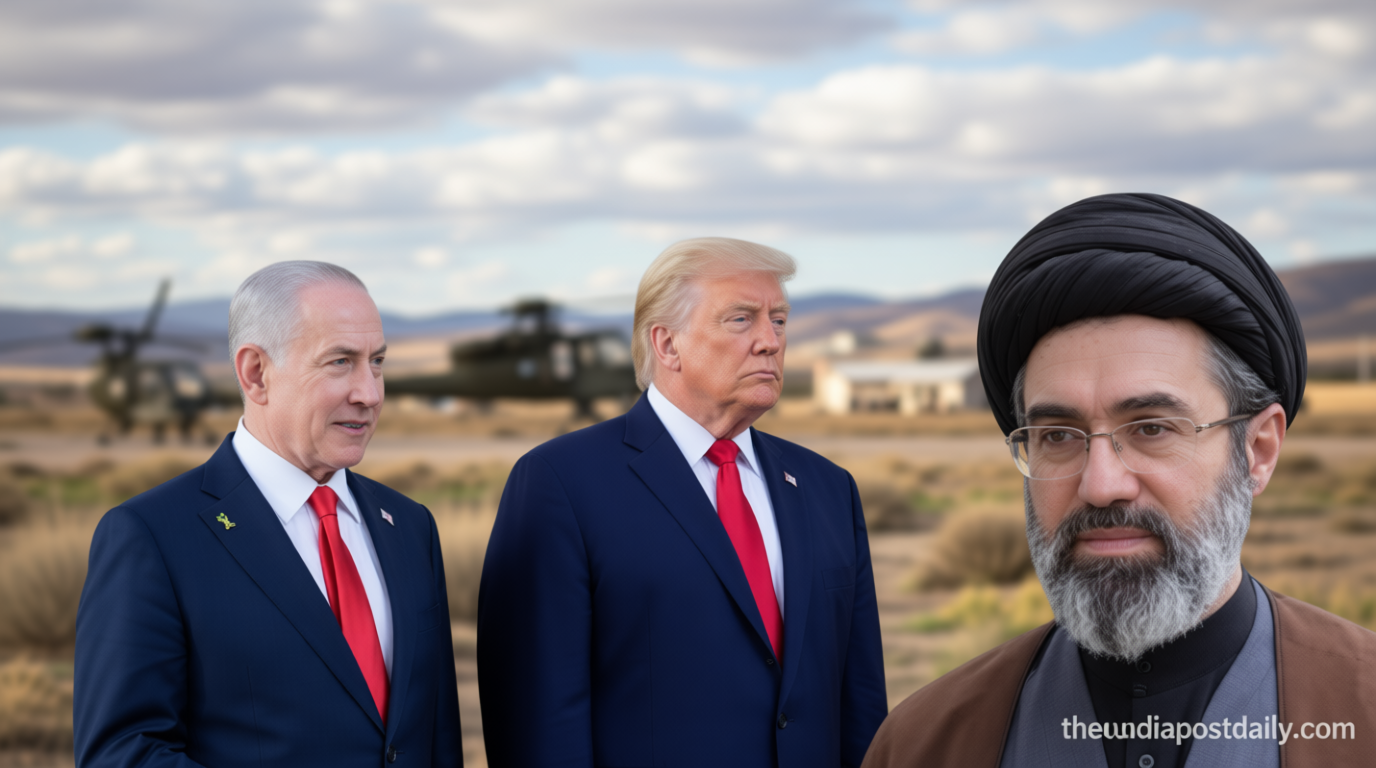
Theindiapostdaily.com – The United States conducted targeted airstrikes on Bandar Abbas and Sirik in Iran’s Hormozgan province as a response to the downing of an Apache helicopter over the Strait of Hormuz. The military action, initiated by President Donald Trump, aimed to strike Iranian radar facilities and critical infrastructure in retaliation for the drone attack that disabled the U.S. Army AH-64 helicopter during a routine patrol. This move marked a significant escalation in the ongoing standoff between Washington and Tehran, as the U.S. emphasized the proportionality of its response to perceived Iranian aggression.
Iranian Drone Shoots Down Apache Helicopter
The incident unfolded early Tuesday when an Iranian drone struck a U.S. Apache helicopter while it was conducting surveillance over the strategic waterway. According to a U.S. official, the attack occurred without prior warning, prompting immediate military action. The drone reportedly targeted the helicopter in the area of the Strait of Hormuz, which is vital for global oil shipments. Trump criticized the attack as a “surprise strike” and defended the U.S. response, stating that the strikes were necessary to deter future threats. Two crew members were successfully recovered via a maritime drone, though details about their injuries remain pending.
“The United States has taken a measured and proportional response to the attack on our Apache helicopter. These strikes are aimed at disrupting Iran’s ability to threaten our operations in the region,” said a U.S. Central Command statement released after the attacks.
Strikes Target Key Infrastructure in Hormozgan Province
The U.S. military focused its strikes on radar installations and strategic locations across Hormozgan, including Bandar Abbas and Sirik. Reports indicated that the attacks on these sites were designed to degrade Iran’s surveillance capabilities and weaken its military posture in the region. In Sirik, damage to two water storage tanks disrupted local water supply systems, affecting nearby communities. While Iranian state media claimed the strikes were “a show of force,” U.S. officials highlighted the precision of the operation, targeting specific facilities without causing widespread civilian casualties.
Iran Downplays the Attack’s Significance
Iran’s deputy foreign minister, Kazem Gharibabadi, denied that the Apache helicopter was deliberately targeted, stating it was “a routine operation” that inadvertently crossed into Iranian airspace. This statement came amid growing tensions that threaten the fragile two-month ceasefire between the U.S. and Iran. Meanwhile, Iranian officials blamed the attack on “unpredictable actions” by the U.S. military, calling for a dialogue to address the situation. The incident has reignited debates over Iran’s military capabilities and its role in regional security.
Strategic Implications of the Airstrikes
The airstrikes on Bandar Abbas and Sirik have raised questions about the U.S. strategy in the Persian Gulf. Analysts suggest that targeting radar systems and water infrastructure aims to weaken Iran’s ability to monitor U.S. movements and sustain its operations in the area. The Strait of Hormuz, a critical chokepoint for global oil trade, has become a flashpoint for escalating military tensions. With the U.S. reinforcing its presence in the region, the strikes signal a shift toward more aggressive posturing, despite assurances of a defensive approach.
“The strikes are not just about retaliation—they are a strategic message to Iran and its allies. By targeting key infrastructure, we’re reducing their capacity to threaten our interests in the region,” stated a senior U.S. defense official in an interview with CBS News.
Ongoing Diplomatic Efforts Amid Military Escalation
Despite the recent military exchange, the White House has reaffirmed its commitment to diplomatic solutions. A senior official noted that talks with Iran are “still close” and that the conflict does not signal a collapse of ongoing negotiations. The U.S. aims to balance immediate retaliation with long-term goals of stabilizing relations. However, the attack on the Apache helicopter has complicated these efforts, as both sides face pressure to assert dominance in the region. The strikes on Bandar Abbas and Sirik are expected to be a temporary measure rather than a full-scale campaign.