As war with US escalates, hardliners accuse top leadership of planning a ‘coup’ against Khamenei
US-Iran War Escalates as Hardliners Accuse Leadership of Coup Against Khamenei Theindiapostdaily.com – As the war with the US escalates, Iranian hardliners have intensified their accusations against top leadership, claiming…
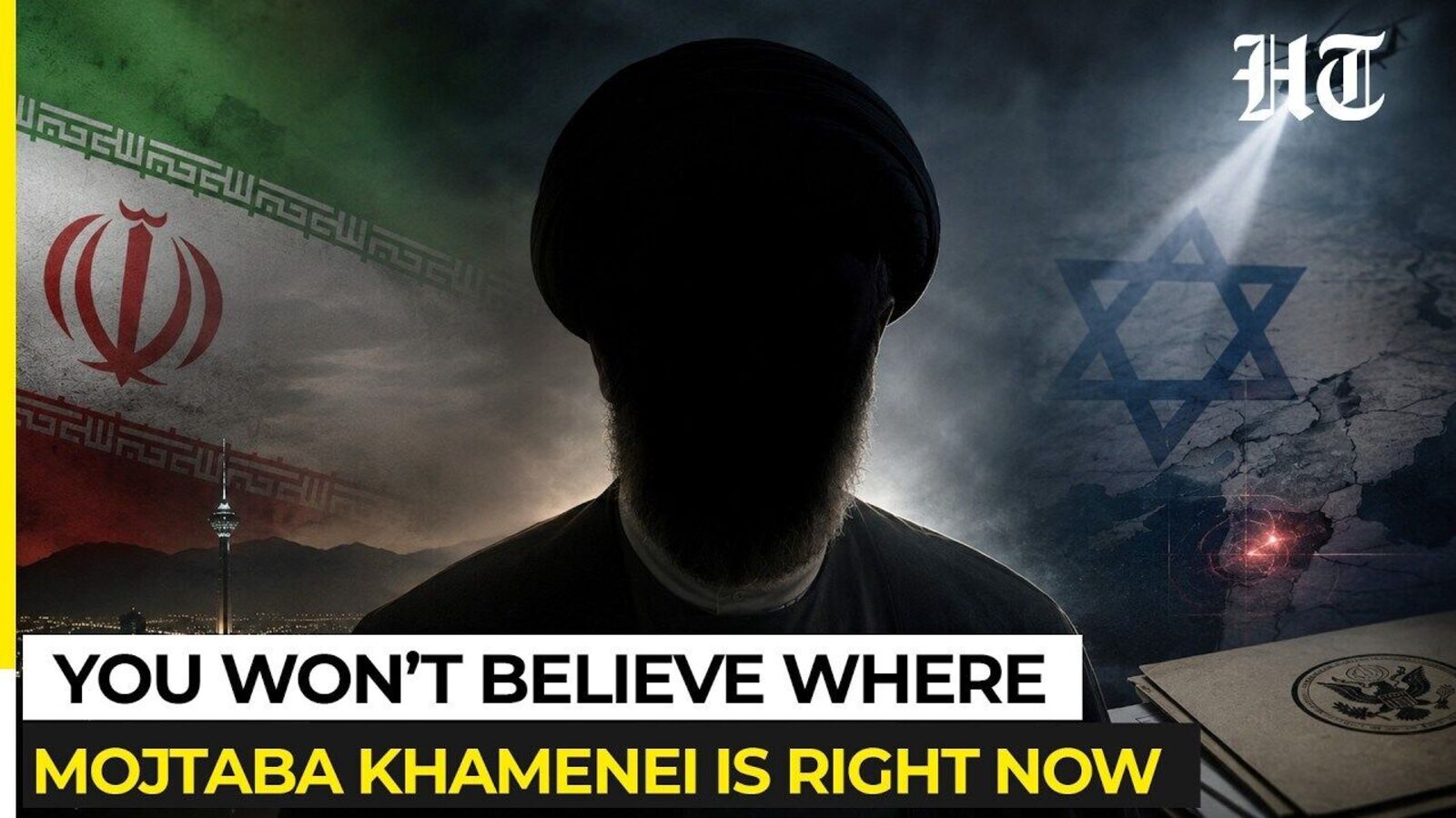
US-Iran War Escalates as Hardliners Accuse Leadership of Coup Against Khamenei
Theindiapostdaily.com – As the war with the US escalates, Iranian hardliners have intensified their accusations against top leadership, claiming they are orchestrating a ‘coup’ to undermine Supreme Leader Ayatollah Ali Khamenei. This growing tension has emerged amid a fragile ceasefire that collapsed last month, sparking renewed hostilities between Tehran and Washington. The internal political dynamics have also become a focal point, with conservative factions expressing deepening distrust in the administration’s approach to the conflict.
The current leadership, led by President Masoud Pezeshkian and Foreign Minister Abbas Araghchi, has faced increasing backlash. Critics argue that their efforts to negotiate with the US have led to accusations of diluting Iran’s revolutionary stance. Hardliners, particularly those aligned with the Revolutionary Guards, view these actions as a betrayal of Khamenei’s legacy, which they believe should have been more firmly upheld in the face of escalating tensions.
“During the late Supreme Leader’s funeral, some black-clad mourners near the president’s procession chanted ‘death to the compromiser’ directly at him,” CNN reported on Friday.
This incident at Khamenei’s funeral in Mashhad underscored the hardliners’ frustration. Araghchi, who was part of the ceasefire talks, was forced to withdraw from the ceremony after being pelted with stones by a crowd chanting death oaths. The event highlighted a rift between the leadership and the conservative factions, who feel the current administration is drifting from the core principles of the Islamic Revolution.
Internal Struggles Amid External Pressures
Analysts suggest that the hostility at the funeral reflects a broader ideological divide within Iran. Hardliners accuse officials involved in the ceasefire agreement of gradually consolidating power, which they see as a threat to the stability of the Islamic Republic. Mojtaba Khamenei, the new supreme leader, has remained largely absent from public view, raising suspicions that his health may be a factor in the power shift.
Reports indicate that some hardliners believe the leadership has shifted focus from avenging Khamenei’s assassination—triggered by US and Israeli airstrikes in late February—to endorsing an interim deal that aligns with Mojtaba’s directives. This perceived realignment has fueled calls for more aggressive actions against the US, as the hardliners seek to reassert control over Iran’s strategic direction.
“Warning to the people of Iran: Is a coup on the way?”
Radical lawmaker Mahmoud Nabavian, active on X, posed this question days before Khamenei’s funeral, linking the current crisis to fears of a power shift. He later claimed, “In these moments of mourning for the martyr Imam (Khamenei), we raise the flag of vengeance for his blood and resist the coup.” Such rhetoric has resonated with hardline supporters, who view the leadership’s negotiations as a betrayal of the revolutionary ideals they hold dear.
Iranian expert Arash Azizi noted that Mojtaba’s absence has allowed figures like Parliament Speaker Mohammad Bagher Ghalibaf, Pezeshkian, and Araghchi to assume greater prominence. “Mojtaba’s continued absence means they can’t reach him, and Ghalibaf and allies effectively run the country… the ultra-hardliners have thus accused Ghalibaf and Pezeshkian of plotting a ‘coup’ against Mojtaba,” Azizi explained. This dynamic has intensified as the US-Iran conflict escalates, with hardliners accusing the leadership of prioritizing diplomacy over defiance.
As the war with the US escalates, the hardliners’ influence appears to be growing. Their calls for a more confrontational approach have gained traction, especially as Khamenei’s prolonged absence and his measured support for the ceasefire have been interpreted as signs of weakness. The Revolutionary Guards, a key player in Iran’s military and political structure, have played a central role in amplifying these accusations, positioning themselves as the vanguard of the country’s revolutionary spirit.
With the ceasefire broken and hostilities resuming, the hardliners claim they have secured the outcomes they desired. Their demands for a ‘coup’ against the leadership are not just about political control but also about redefining Iran’s stance in the ongoing conflict. As the war with the US escalates, the question remains: will these internal tensions lead to a broader realignment of power or a deepening of the country’s division?