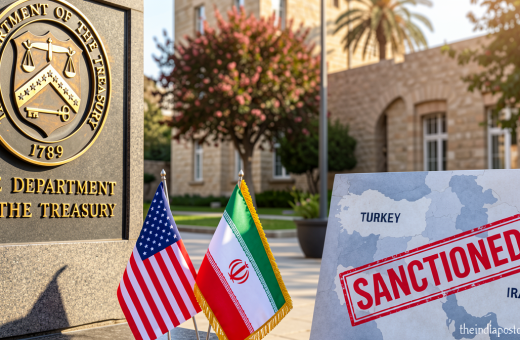
US-Iran war: State Dept issues travel advisory for Americans worldwide amid tensions, asks to exercise caution
US-Iran War Escalates: State Dept Issues Global Travel Advisory Amid Rising Tensions Theindiapostdaily.com – In response to escalating hostilities between the United States and Iran, the U.S. Department of State…
US-Iran War Escalates: State Dept Issues Global Travel Advisory Amid Rising Tensions
Theindiapostdaily.com – In response to escalating hostilities between the United States and Iran, the U.S. Department of State has issued a worldwide travel advisory, urging American citizens to exercise caution as the conflict intensifies. The alert, released on Saturday, highlights the increased risk of sudden attacks on diplomatic missions and military installations, emphasizing the need for heightened vigilance for travelers in the Middle East and beyond. This development underscores the ongoing US Iran war, which has seen a series of military actions and diplomatic maneuvers in recent weeks.
Global Travel Advisory: Key Concerns for American Citizens
The advisory serves as a critical update for Americans abroad, particularly those in regions where tensions are at their peak. It warns of the potential for unexpected escalations, such as strikes on U.S. facilities or attacks on personnel, which could disrupt travel plans and endanger lives. The State Department recommends that citizens stay informed through official channels, including embassy alerts and local news sources, to prepare for possible emergencies. Additionally, it highlights the risk of infrastructure disruptions, including transportation delays and communication blackouts, which could compound the challenges faced by travelers.
“The security environment is increasingly complex, and the potential for unforeseen escalation remains high,” the State Department declared. “We urge all Americans to monitor developments closely and take appropriate precautions to ensure their safety.”
Travelers are advised to avoid crowded areas, especially near diplomatic compounds, and to keep emergency contact information readily available. The department also emphasizes the importance of having contingency plans, such as alternative routes or emergency shelters, in case of sudden threats. This guidance reflects the broader strategy of the U.S. government to mitigate risks associated with the US Iran war, which has intensified over the past month following a series of military confrontations.
Breakdown of Ceasefire and Military Escalation
The travel warning follows the collapse of a previously agreed ceasefire between the U.S. and Iran. The agreement, which had been in place since last month, was breached after both nations engaged in a series of military exchanges. On Saturday, the U.S. launched additional strikes targeting Iranian assets in the region, escalating the conflict further. These actions were prompted by the killing of two American troops at the Al-Azraq base in Jordan, which Iranian-backed forces were implicated in.
“The situation has deteriorated significantly, and the U.S. has taken decisive action to protect its interests,” a State Department official stated. “This marks a new phase in the US Iran war, with increased military activity likely to continue.”
Iran has responded with retaliatory strikes, targeting U.S. bases and military equipment in the Gulf region. The nation’s leadership has framed these actions as necessary to deter further aggression, while the U.S. has reiterated its commitment to countering Iran’s nuclear ambitions. The breakdown of the ceasefire has raised concerns about the potential for a larger regional war, with both sides accusing each other of breaking their commitments.
Iran’s Diplomatic Response and Strategic Shifts
Iran’s Foreign Ministry has denounced the U.S. for violating the terms of the Memorandum of Understanding (MoU) that was meant to ease tensions. Esmail Baghaei, a spokesperson for the Iranian government, stated that the country no longer feels bound by the agreement after Washington’s recent military actions. This move signals a significant shift in Iran’s approach to the conflict, as it now prioritizes self-defense over diplomatic engagement.
“The MoU was based on mutual trust, which has been eroded by the U.S. escalation,” Baghaei said. “Iran will continue to take measures to protect its sovereignty and citizens in the face of ongoing threats.”
The State Department has acknowledged the breakdown of the MoU but maintains that the actions taken are justified under the circumstances. Officials cited Iran’s support for militant groups in the region as a key factor in the decision to issue the travel advisory. The advisory also notes that the U.S. is working closely with regional allies to coordinate responses and ensure the safety of American personnel.
With the US Iran war now entering a more aggressive phase, the global travel advisory serves as a timely reminder of the risks associated with the conflict. The Department of State has called on Americans to remain vigilant, urging them to assess their risk tolerance before traveling. As tensions continue to rise, the advisory may be updated in the coming days to reflect new developments. The situation remains fluid, and the international community is closely watching for signs of further escalation.
The impact of the travel advisory extends beyond immediate safety concerns. It also highlights the broader geopolitical implications of the US Iran war, which has drawn in allies and adversaries alike. The U.S. has been working to bolster its presence in the region, while Iran seeks to strengthen its alliances with groups in Syria, Iraq, and Yemen. The advisory underscores the delicate balance between diplomacy and military action, as both nations navigate their competing priorities in a rapidly changing conflict landscape.
As the conflict evolves, the State Department continues to monitor the situation and adjust its guidance accordingly. The travel advisory is part of a larger effort to protect American interests in the region, ensuring that citizens are prepared for the unpredictable nature of the US Iran war. With no immediate signs of a de-escalation, the message remains clear: heightened caution is essential for those traveling in a world on the brink of heightened confrontation.