Petrol, diesel prices today: Fuel rates in Delhi, Mumbai, Bengaluru, Kolkata on 19 July as Brent crude extends gain
Petrol and Diesel Prices Today: No Changes in Delhi, Mumbai, Bengaluru, Kolkata on 19 July Theindiapostdaily.com – As of 19 July, petrol and diesel prices today remained unchanged across major…
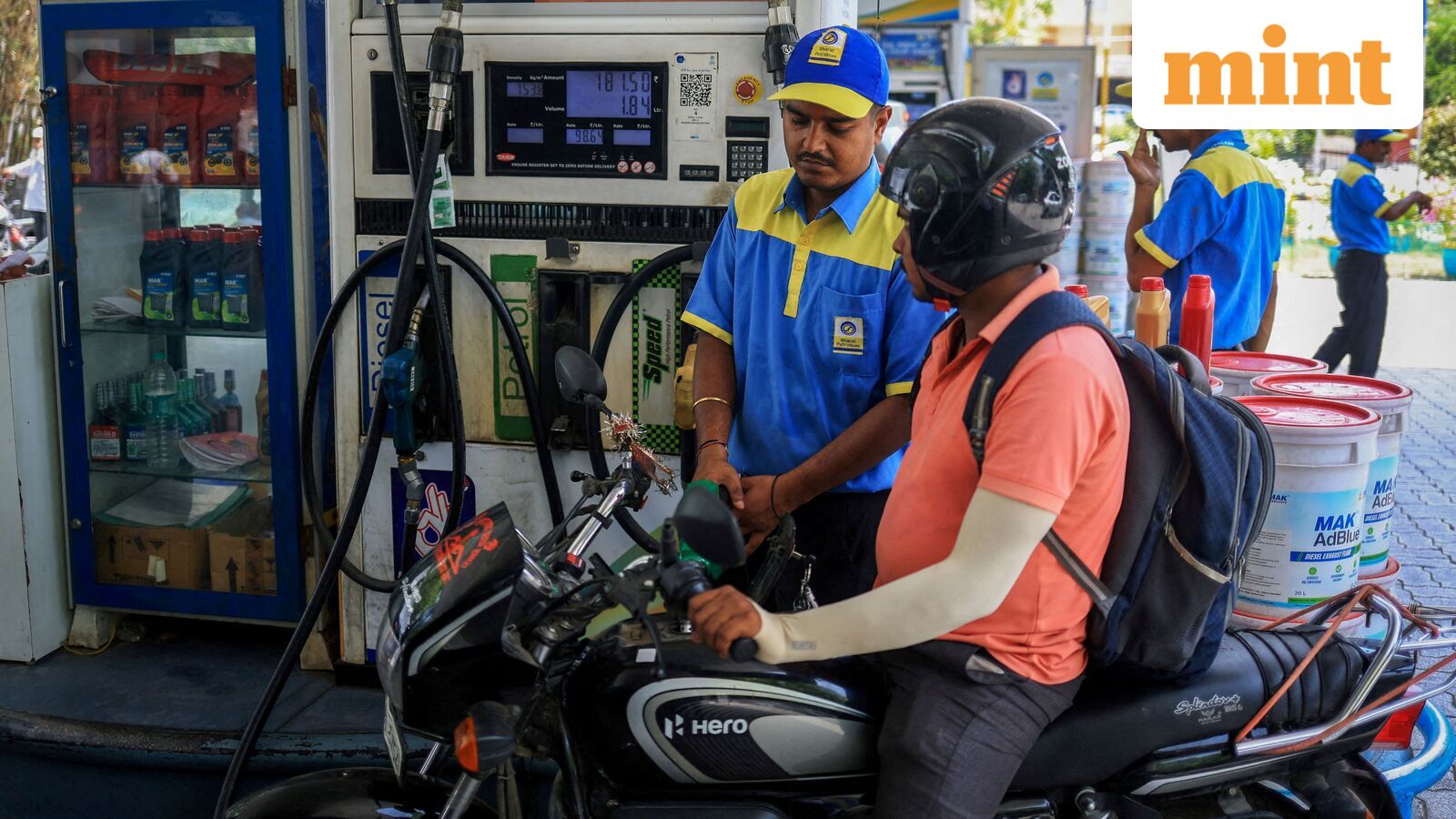
Petrol and Diesel Prices Today: No Changes in Delhi, Mumbai, Bengaluru, Kolkata on 19 July
Theindiapostdaily.com – As of 19 July, petrol and diesel prices today remained unchanged across major Indian cities, including Delhi, Mumbai, Bengaluru, and Kolkata. This stability comes amid a continued upward trend in global Brent crude oil prices, which have seen their highest weekly gain since April. State-owned oil marketing companies (OMCs) maintained the same pricing structure, aligning domestic rates with international benchmarks despite geopolitical tensions and market fluctuations. The latest decision follows adjustments made on 25 May, showcasing the OMCs’ approach to balancing global oil price movements with local economic conditions.
Global Crude Price Trends Influence Domestic Markets
The recent surge in Brent crude oil prices has been a key driver of India’s fuel pricing strategy. With international crude prices extending their gains, OMCs have remained cautious in adjusting domestic rates, opting for a stable approach to avoid sudden shocks to consumers. This week’s decision to keep petrol and diesel prices today the same reflects a strategic response to the volatile market conditions, as OMCs monitor the impact of global developments on fuel costs. Analysts suggest that while the global benchmark has climbed, domestic prices are still expected to rise in the coming weeks as OMCs prepare for the next round of price revisions.
Geopolitical Tensions Add Complexity to Energy Pricing
The ongoing conflict between the United States and Iran has introduced additional uncertainty into global energy markets, further influencing petrol and diesel prices today. Strikes targeting critical infrastructure in the Strait of Hormuz, a vital oil transit route, have raised fears of supply disruptions, pushing oil prices higher. Despite these challenges, OMCs have managed to keep domestic rates steady, demonstrating a calculated response to both geopolitical and economic pressures. The situation highlights how international events can directly impact fuel costs, even in the absence of immediate supply crises.
“The US-Iran tensions have kept energy markets on edge, with Brent crude extending its gains due to fears of disrupted oil flows.”
Recent attacks on strategic locations in the Middle East have heightened concerns over the stability of oil supply chains, leading to increased demand for crude oil and contributing to its upward trajectory. The Trump administration’s decision to send additional refueling aircraft to Israel, as reported by Axios, underscores the broader implications of the conflict on global energy markets. These developments have reinforced the connection between geopolitical stability and fuel pricing, with petrol and diesel prices today remaining a reflection of international market dynamics.
Consumer Impact and Regional Price Comparisons
For consumers in Delhi, Mumbai, Bengaluru, and Kolkata, the unchanged petrol and diesel prices today provide some relief, as the cost of fuel remains stable in the face of rising global prices. However, experts warn that this stability may be temporary, with upcoming revisions likely to affect fuel costs in the near future. The price alignment across major cities indicates a uniform policy by OMCs, but regional variations in demand and supply could lead to minor adjustments in the coming days. Analysts note that while the overall price structure remains unchanged, the long-term trend of rising oil prices continues to pressure household budgets.
Strategic Decisions by OMCs Shape Fuel Market Dynamics
India’s state-owned oil marketing companies play a pivotal role in determining petrol and diesel prices today, operating under a pricing mechanism that ties domestic rates to international crude prices. This system ensures that fluctuations in the global market are reflected in local fuel costs, though OMCs often introduce delays to smooth out the impact. The recent decision to keep prices steady aligns with this strategy, as OMCs assess the broader economic and political landscape before implementing changes. This approach highlights the delicate balance between global oil price trends and domestic market stability, with petrol and diesel prices today serving as a barometer for both.
“Petrol and diesel prices today are closely tied to international crude prices, with OMCs adjusting rates based on global market conditions.”
As the situation in West Asia remains volatile, OMCs are likely to continue monitoring the situation before making further adjustments. The current pricing stability in Delhi, Mumbai, Bengaluru, and Kolkata offers a brief respite for consumers, but the long-term trajectory of rising fuel costs remains unchanged. This underscores the importance of tracking petrol and diesel prices today, as they provide insight into the evolving energy market and its impact on everyday expenses.