UK unveils plan to ban Iran’s Islamic Revolutionary Guard Corps, supporters will face 14 years in jail
UK Unveils Plan to Ban Iran's Islamic Revolutionary Guard Corps Theindiapostdaily.com – The UK government has announced a significant legislative move to ban Iran's Islamic Revolutionary Guard Corps (IRGC), with…
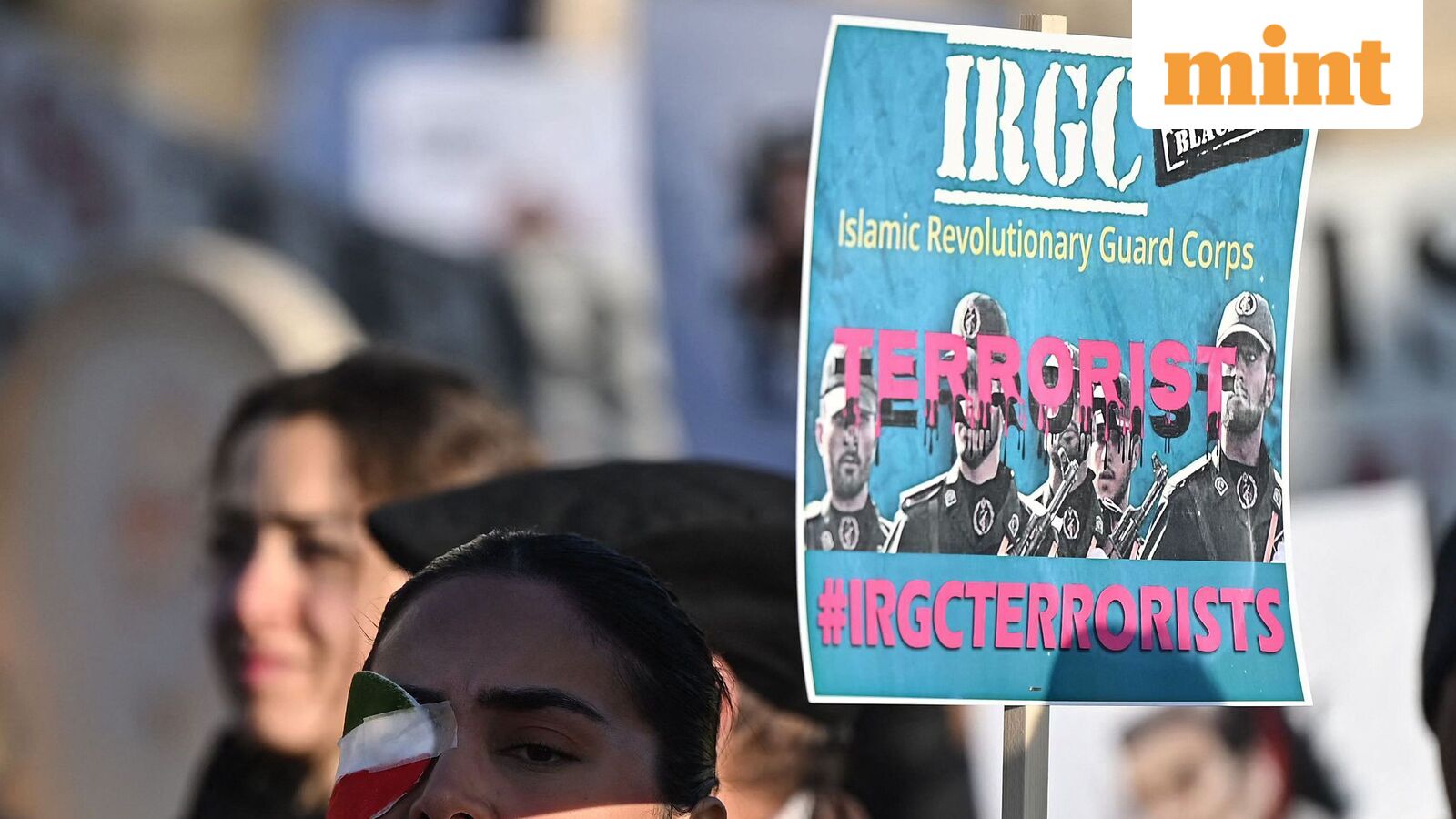
UK Unveils Plan to Ban Iran’s Islamic Revolutionary Guard Corps
Theindiapostdaily.com – The UK government has announced a significant legislative move to ban Iran’s Islamic Revolutionary Guard Corps (IRGC), with supporters of the organization facing up to 14 years in prison. This decision, aimed at curbing foreign state-backed threats, follows a series of incidents linked to the IRGC’s activities within British territory. The measure, part of a broader strategy to safeguard national security, marks a decisive step in addressing the influence of Iran’s military and political arm on global affairs.
Legislative Framework and Designated Threats
The proposed law designates the IRGC, along with Russia’s GRU military intelligence agency and the Islamic Movement of Companions of the Right (IMCR), as entities that pose a direct threat to UK interests. These groups will be labeled as “hostile foreign organizations” under the new framework, granting the government enhanced powers to monitor, restrict, and penalize their activities. The Home Office has emphasized that the legislation allows for swift action against individuals who knowingly support these groups, reinforcing the UK’s stance on countering foreign interference.
Angela Eagle, a Home Office minister, revealed that the IRGC’s operations have been identified as a key risk to British citizens and institutions. “We’ve detected operations involving threats to life and intimidation within the UK,” she stated, highlighting the urgency of the legislation. The IRGC, known for its dual role in domestic governance and international military campaigns, has been accused of orchestrating attacks on Jewish communities, including the recent arson of four ambulances from the Hatzola charity in London.
Antisemitism and Security Priorities
The proposal has been directly linked to a surge in antisemitic violence targeting Jewish properties and individuals. Recent incidents, such as the burning of synagogues and Jewish community vehicles, have prompted the UK to fast-track the ban as part of its efforts to protect vulnerable populations. Home Secretary Shabana Mahmood reiterated that the legislation is a response to the IRGC’s alleged role in these attacks, stating,
“Iran and Russia are deploying proxies and operatives to carry out hostile actions on our territory. I’ve swiftly designated three groups to ensure those affiliated are held accountable.”
Experts argue that the ban reflects a growing concern over the IRGC’s global influence, particularly its involvement in conflicts in the Middle East and its ties to extremist networks. The IRGC’s Quds Force has been implicated in supporting groups like Hezbollah and Hamas, raising questions about its potential role in destabilizing regions and targeting Western interests. By designating the IRGC as a banned entity, the UK seeks to isolate its activities and limit its ability to operate within the country.
International Context and Diplomatic Impact
This move aligns with international efforts to counter Iran’s aggressive foreign policies. Last month, 22 countries, including the US and EU members, accused the IRGC and its Quds Force of planning attacks on Iranian dissidents, journalists, and Jewish communities worldwide. The UK’s decision adds to a global chorus of condemnation, as nations grapple with Iran’s expanding influence through proxy groups. The legislation also strengthens the UK’s position in bilateral and multilateral discussions on security and regional stability.
Legal experts note that the ban is part of a broader trend of using anti-terrorism laws to target state-sponsored actors. The UK’s Home Office has highlighted that the IRGC’s designation allows for measures such as asset freezes, travel bans, and surveillance of its supporters. This approach mirrors similar actions taken by the US and other European countries, which have long sought to curb the IRGC’s activities. The law also provides a mechanism for updating the list of designated groups, ensuring adaptability to emerging threats.
Implementation and Long-Term Goals
The bill is expected to undergo parliamentary debate soon, with the aim of enacting it swiftly to address immediate security concerns. Once passed, the IRGC will be classified as a banned organization, subjecting its members and supporters to strict legal consequences. The UK government has stressed that the legislation is not only a reaction to recent incidents but also a proactive measure to prevent future threats. By targeting the IRGC, the UK hopes to deter hostile actions and reinforce its alliances with countries opposed to Iran’s influence.
While the ban is a strong statement, analysts caution that its effectiveness will depend on enforcement and international cooperation. The IRGC’s extensive network and financial resources make it a persistent challenge, requiring sustained efforts to limit its reach. The UK’s decision underscores the importance of addressing state-sponsored threats through a combination of legal action, diplomatic pressure, and intelligence sharing. As the legislation takes effect, its impact on Iran’s global operations and the UK’s security landscape will be closely monitored.