Iranian court upholds one-year prison sentence against acclaimed director Jafar Panahi
Iranian Court Upholds One-Year Sentence for Jafar Panahi Theindiapostdaily.com – Iran’s Revolutionary Court has reaffirmed the one-year prison sentence imposed on renowned filmmaker Jafar Panahi, maintaining the decision despite his…
Iranian Court Upholds One-Year Sentence for Jafar Panahi
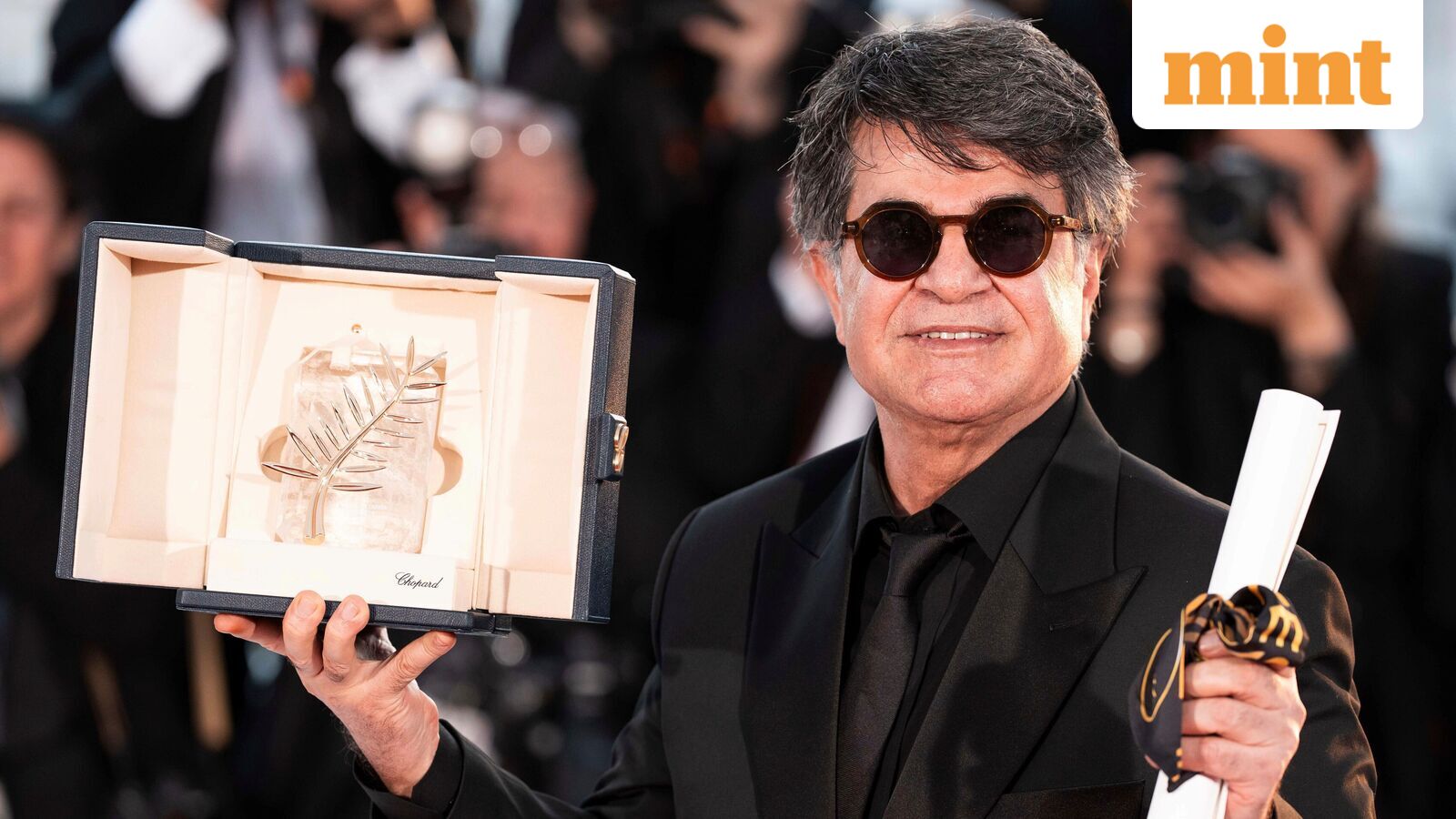
Theindiapostdaily.com – Iran’s Revolutionary Court has reaffirmed the one-year prison sentence imposed on renowned filmmaker Jafar Panahi, maintaining the decision despite his legal appeal. The ruling, which came after a December conviction, marks the second time the court has upheld charges against the director, who has been a prominent figure in Iranian cinema for decades. Panahi’s sentencing comes amid ongoing debates about artistic freedom and government oversight in the country, with critics arguing that his work has consistently challenged political narratives.
Background of the Charges and Legal Battle
Panahi, 71, was initially sentenced in absentia in December 2023 for disseminating material deemed critical of the Iranian regime. His appeal, which argued that the charges were politically motivated, was dismissed by the Revolutionary Court, leaving the one-year sentence intact. The decision has sparked concern among international film organizations and human rights groups, who view it as a setback for creative expression in Iran. Panahi’s lawyer, Mostafa Nili, emphasized that the legal process is not yet over, with the possibility of further appeals to the Tehran Provincial Court of Appeal within the next twenty days.
“The court’s decision to uphold the one-year sentence reflects a broader pattern of suppressing dissent through judicial means,” said Nili in a statement following the ruling. “Panahi’s contributions to cinema deserve recognition, not punishment for voicing his views.”
Panahi’s latest film, “It Was Just An Accident,” had reached the nomination stage as France’s official entry for the 98th Academy Awards, highlighting his growing international influence. His return to Iran in March had been celebrated as a symbolic gesture of his continued engagement with the country’s cultural landscape, though it also exposed him to increased scrutiny from authorities. The one-year sentence, while not the maximum possible, has raised questions about the state of artistic freedom in Iran and the risks faced by filmmakers who challenge the regime’s narrative.
A Career Defined by Defiance and Innovation
Jafar Panahi has long been a symbol of resistance in Iranian cinema, with his work often reflecting the tensions between individual freedoms and state control. His 2006 film “Offside” became an international sensation, winning the Camera d’Or at Cannes and drawing attention to issues of gender inequality and political repression. More recently, Panahi’s 2023 film “This Is Not a Film” was released under unusual circumstances, with the director himself serving as the film’s narrator during a clandestine screening in Tehran. These projects have consistently pushed boundaries, making Panahi a target for authorities seeking to limit critical discourse.
The one-year prison sentence is part of a pattern of punishment targeting Iranian intellectuals and artists. Panahi was previously sentenced to six years in prison in 2018 for his role in the “Green Movement” protests, which were linked to the disputed 2009 election results. That sentence was later reduced to a two-year ban on filmmaking, during which he continued to produce work from exile. The current ruling, however, reintroduces a more tangible form of punishment, forcing Panahi to face physical detention for the first time since his 2018 conviction. This development underscores the challenges faced by Iranian creators in maintaining their artistic voice under state pressure.
“Jafar Panahi’s one-year sentence is a clear message to Iranian filmmakers: dissent will be met with consequences,” noted a statement from the International Federation of Journalists. “His work has been a beacon of truth, and this decision threatens to silence that light.”
International Reactions and Cultural Impact
The decision to uphold the one-year sentence has drawn widespread criticism from cultural and political entities worldwide. Organizations such as Amnesty International and the European Film Academy have condemned the ruling, citing its implications for freedom of speech and artistic autonomy. In a statement, the European Film Academy called Panahi “a master of cinema who has never shied away from challenging the status quo,” emphasizing that his imprisonment risks eroding Iran’s cultural reputation on the global stage.
Panahi’s films have consistently addressed themes of social justice, personal liberty, and political dissent, making him a central figure in Iranian cinema. The one-year sentence, while a relatively short term, has significant implications for his ability to continue creating work. His legal team has vowed to appeal the decision, arguing that the charges are based on subjective interpretations of his films and that they do not justify imprisonment. The case has also reignited discussions about the role of the judiciary in Iran, with some viewing it as an extension of political repression rather than a neutral legal process.
Despite the setback, Panahi remains a resilient presence in the film industry. His recent return to Iran and participation in the Cannes Film Festival highlighted his determination to engage with the global audience, even as he faces domestic challenges. The one-year sentence is expected to have a lasting impact on his career, but his legacy as a pioneering director who has reshaped Iranian cinema will endure. As the legal battle continues, the international community watches closely, hoping to support Panahi’s fight for creative freedom and cultural expression.