Iran attacks Israel after Beirut strike, threatening breakdown of April ceasefire
Iran launched a series of missile strikes against Israeli targets on Sunday, June
Iran Attacks Israel After Beirut Strike, Threatening April Ceasefire
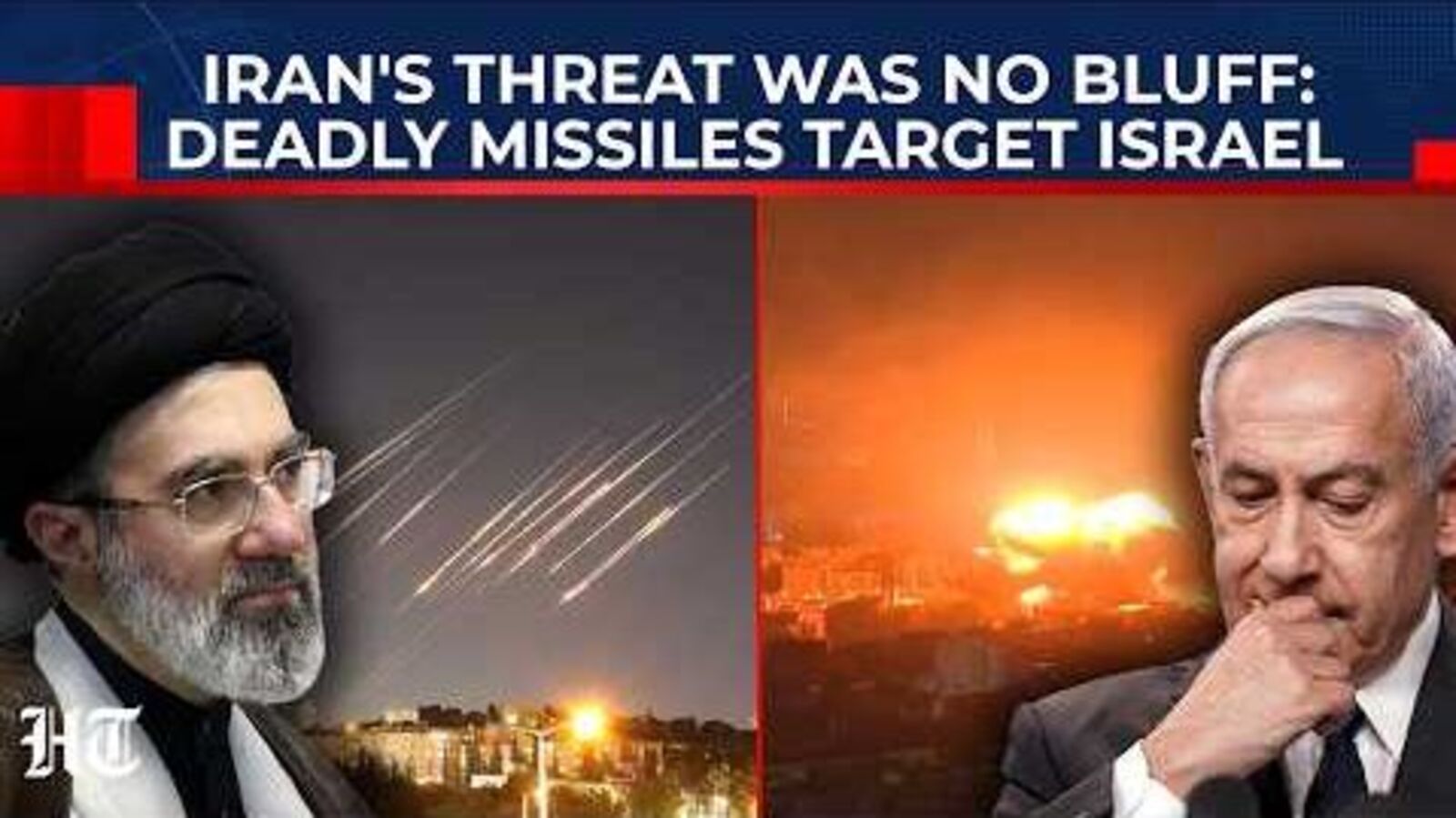
Theindiapostdaily.com – Iran launched a series of missile strikes against Israeli targets on Sunday, June 7, escalating tensions in the Middle East. The attacks, which followed an earlier Israeli airstrike in Beirut, have raised concerns about the potential collapse of the April 8 ceasefire agreement. This critical moment marks a significant shift in the region’s fragile peace, as Iran’s actions signal a renewed commitment to confronting Israel. The focus keyword, “Iran attacks Israel after Beirut,” underscores the immediate link between the Israeli strike and the subsequent retaliation, highlighting the cascading effect of military decisions on diplomatic efforts. With the conflict reigniting, analysts warn that the stability of the ceasefire could be jeopardized if both sides fail to de-escalate further.
Context and Tensions in the April Ceasefire
The April 8 ceasefire was a breakthrough in reducing direct hostilities between Iran, Israel, and the United States. It aimed to freeze military operations and create a framework for broader regional dialogue. However, the recent events in Beirut have shaken this fragile agreement. Israeli forces claimed to have hit a Hezbollah command center in the Dahiyeh district, which is known as a strategic hub for militant activities. This strike, coupled with Iran’s retaliatory attacks, has reignited fears of a full-scale war. The focus keyword, “Iran attacks Israel after Beirut,” now stands at the center of these renewed hostilities, as both sides prepare for potential further escalation. The clash underscores the deep-rooted animosity between Iran and Israel, with Hezbollah playing a pivotal role in the conflict’s dynamics.
Iran’s Strategic Response and Hezbollah’s Role
In response to the Israeli strike, Iran’s Islamic Revolutionary Guard Corps (IRGC) launched a coordinated missile barrage, targeting Israeli military installations. The IRGC framed the attack as a “warning” to Israel, signaling that any continued aggression in Lebanon would result in broader retaliation. This move comes amid growing pressure on Hezbollah, the Iranian-backed militant group, to curb its attacks on Israeli territory. The focus keyword, “Iran attacks Israel after Beirut,” encapsulates the immediate cause-and-effect relationship between the two nations’ actions. Analysts note that Iran’s military buildup and strategic coordination with Hezbollah have made the current conflict more intense than previous episodes. The IRGC’s statement also highlights their dissatisfaction with the ceasefire, as they argue it does not address the broader regional instability.
Human and Political Fallout of the Escalation
The violence has already taken a human toll, with Lebanon’s health ministry reporting at least two fatalities and 20 injuries from the Israeli airstrike in Beirut. These casualties have intensified public outrage in Lebanon, where Hezbollah is a key political force. Meanwhile, the focus keyword, “Iran attacks Israel after Beirut,” has become a central theme in regional discussions, as the conflict threatens to undermine diplomatic progress. Iran’s closure of western airspace, followed by similar measures in Iraq and Syria, demonstrates the growing concern over the spread of hostilities. The actions also reflect a strategic move to isolate Israel and assert regional dominance. As tensions mount, the April ceasefire faces an uncertain future, with both sides struggling to balance military action and political negotiation.
International Reactions and Diplomatic Efforts
The global community has closely monitored the escalating conflict, with concerns growing over its impact on regional stability. The focus keyword, “Iran attacks Israel after Beirut,” has dominated headlines, prompting calls for de-escalation from international leaders. While the United States has urged both parties to hold back, some analysts argue that the US’s support for Israel’s operations in Lebanon has fueled Iran’s determination. Meanwhile, countries like Pakistan have stepped forward as potential mediators, with the Interior Minister Mohsin Naqvi arriving in Tehran to discuss peace initiatives. These diplomatic efforts come at a critical time, as the focus keyword’s events could set a precedent for future conflicts. The success of such talks will depend on whether both sides are willing to compromise and prioritize the ceasefire over immediate military gains.
Historical Precedents and Future Implications
Historically, the Iran-Israel conflict has been marked by periodic escalations, often tied to events in Lebanon. The focus keyword, “Iran attacks Israel after Beirut,” mirrors past patterns, where Israeli strikes on Hezbollah targets have prompted Iranian retaliation. This dynamic has led to a cycle of violence that threatens to spiral out of control. The recent attacks not only rekindle old rivalries but also raise new questions about the role of external actors in the conflict. With the April ceasefire at risk, the situation could shift toward a more permanent state of war, impacting neighboring countries and global geopolitics. The focus keyword’s events serve as a stark reminder of the delicate balance between military action and diplomatic resolution in the region.
As the situation unfolds, the focus keyword, “Iran attacks Israel after Beirut,” continues to shape the narrative of the conflict. The strike and subsequent retaliation highlight the interconnectedness of regional actors and the challenges of maintaining peace in a volatile environment. While the April ceasefire remains a fragile hope, the urgency for renewed negotiations has never been higher. The outcome of these events could determine the future of Middle Eastern diplomacy and the extent of military engagement in the region.