Iran and Israel halt strikes after fresh exchange of fire, but both warn attacks could resume amid fragile ceasefire
On June 8, Iran and Israel initiated a temporary pause in their military
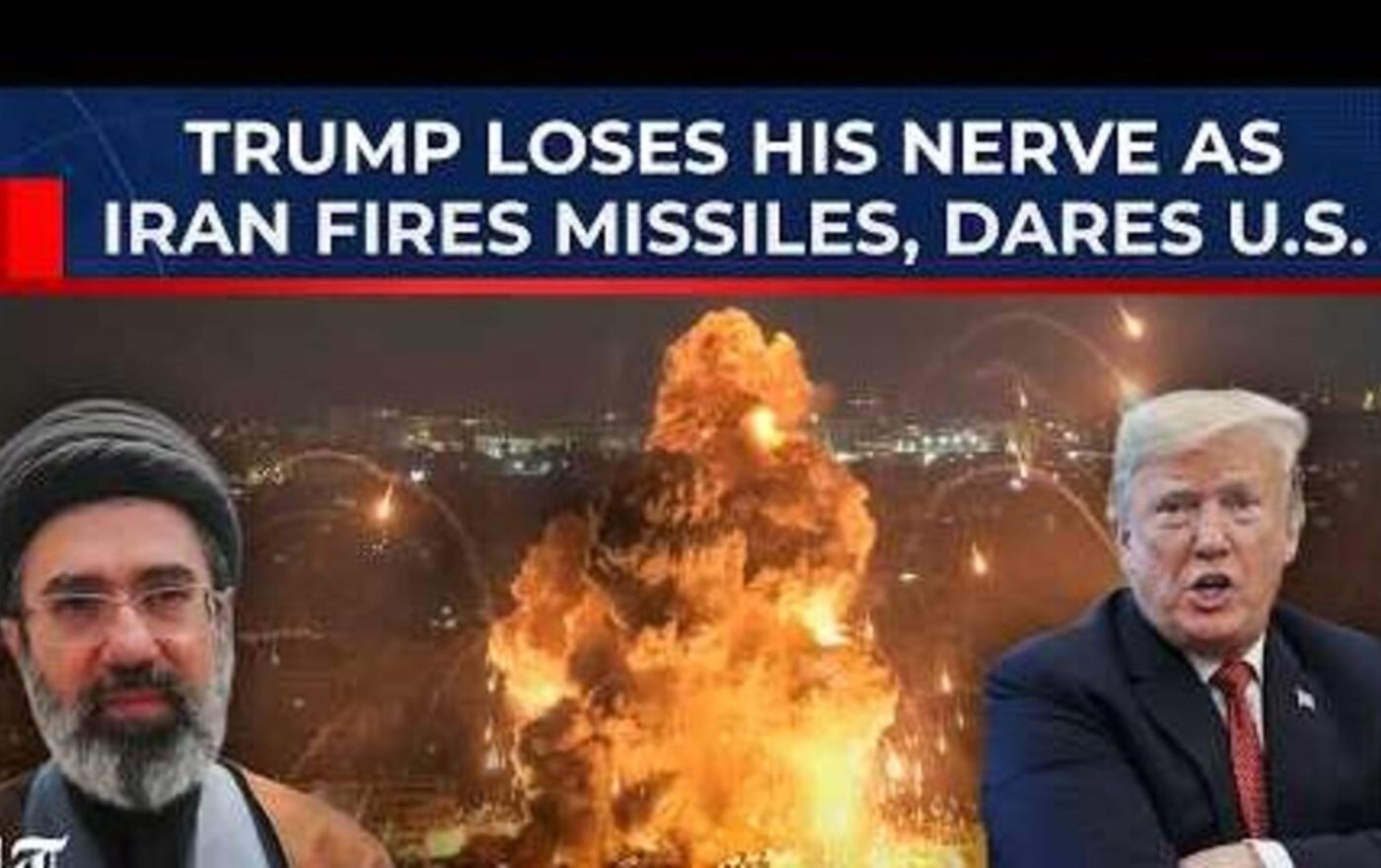
Iran and Israel Halt Strikes Amid Fragile Ceasefire
Iran and Israel halt strikes after – On June 8, Iran and Israel initiated a temporary pause in their military operations following a renewed exchange of fire. This halt marks a critical moment in the ongoing conflict, as both nations have agreed to a short-term ceasefire but remain cautious about future escalations. The decision comes amid rising regional tensions, with analysts warning that the fragile agreement could be tested by any new provocation. The focus keyword, “Iran and Israel halt strikes,” reflects the current state of the conflict and underscores the diplomatic efforts to prevent further hostilities.
Temporary Ceasefire and Strategic Considerations
The ceasefire agreement was reached after a series of missile launches from Iran toward Israel, followed by Israeli retaliatory strikes. While the pause allows for a brief respite, both countries have made it clear that the agreement is not permanent. Iran’s military command stated that the halt applies to strikes against Israeli targets, but warned that the situation could quickly reverse if Israeli actions in Lebanon continue. Similarly, Israel’s joint command indicated that the ceasefire would hold only as long as there are no new threats to its security interests.
“Both sides, Iran and Israel, have agreed to a temporary halt in strikes, but the situation remains volatile,”
— Israeli military spokesperson, statement released on June 8. This strategic pause is seen as a response to diplomatic pressure, particularly from the United States, which has been actively mediating peace talks. However, the agreement’s success depends on the ability of both parties to maintain restraint and avoid triggering a cycle of retaliation.
Background of the Conflict and Ceasefire Efforts
The current ceasefire follows weeks of intense clashes, including Iran’s missile strikes on Israeli military infrastructure and Israeli airstrikes targeting Hezbollah in southern Lebanon. The agreement was brokered in April after months of escalating violence, with the US playing a key role in facilitating talks. Despite the pause, the underlying tensions persist, as Iran seeks to deter Israeli aggression in Lebanon while Israel aims to neutralize Iranian-backed militias in the region.
Analysts note that the ceasefire is more of a tactical pause than a long-term solution. “Iran and Israel halt strikes for now, but the groundwork for future conflict remains intact,” said Dr. Amin Al-Balushi, a Middle East conflict expert. The agreement also includes provisions for monitoring compliance, though its effectiveness will depend on the willingness of both sides to adhere to the terms. The latest exchange of fire, which began late Sunday, highlights the precarious nature of the truce.
Economic and Global Implications
The halt in strikes has provided some relief to energy markets, which had been rattled by the previous round of hostilities. Oil prices rose by approximately 4% earlier in the week due to fears of disrupted regional supply chains, particularly through the Strait of Hormuz. With the temporary ceasefire, traders have cautiously optimistic that the situation could stabilize. However, the agreement’s short duration may not be enough to prevent further economic ripple effects, especially if tensions flare up again.
“The economic consequences of the conflict are significant, but the ceasefire gives markets a chance to recover,”
— Global Market Analyst, London. Meanwhile, the broader Middle East continues to watch the situation closely, as the ceasefire could either ease or exacerbate regional instability. The fragile truce also raises questions about the long-term viability of peace efforts, given the history of intermittent conflicts between Iran and Israel.
Regional Reactions and Diplomatic Stakes
Regional leaders have expressed concerns over the ceasefire’s durability, with several Arab and Persian Gulf nations urging both sides to exercise caution. Egypt, Saudi Arabia, and the United Arab Emirates have called for sustained diplomatic engagement to prevent the conflict from reigniting. Pakistan and Qatar have also weighed in, emphasizing the need for a comprehensive peace deal to address the root causes of the dispute.
Iran and Israel halt strikes as part of a broader effort to secure peace, but the agreement has faced criticism for not addressing key issues such as Iran’s nuclear program and Israel’s security policies. The recent violence, which included Iranian attacks on Israeli territory and Israeli operations in Lebanon, underscores the complexity of the situation. While the ceasefire may buy time for negotiations, it also highlights the fragility of the diplomatic progress made so far.
Future Prospects and Potential Escalation
The fragile ceasefire could either lead to a lasting peace or a renewed cycle of violence. With both Iran and Israel warning of possible resumption of attacks, the situation remains highly unpredictable. Israeli officials have stressed that the ceasefire is conditional on Iran’s compliance with its commitments, while Iranian leaders have emphasized their readiness to respond to any aggression.
“The agreement between Iran and Israel halt strikes is a step forward, but the road to peace is long and fraught with challenges,”
— Dr. Leila Youssefzadeh, Middle East conflict analyst. The coming weeks will be crucial in determining whether this pause leads to a broader resolution or sets the stage for a new escalation. As the region watches, the success of the ceasefire will depend on sustained diplomatic efforts and the ability of both sides to manage their strategic ambitions without provoking each other.