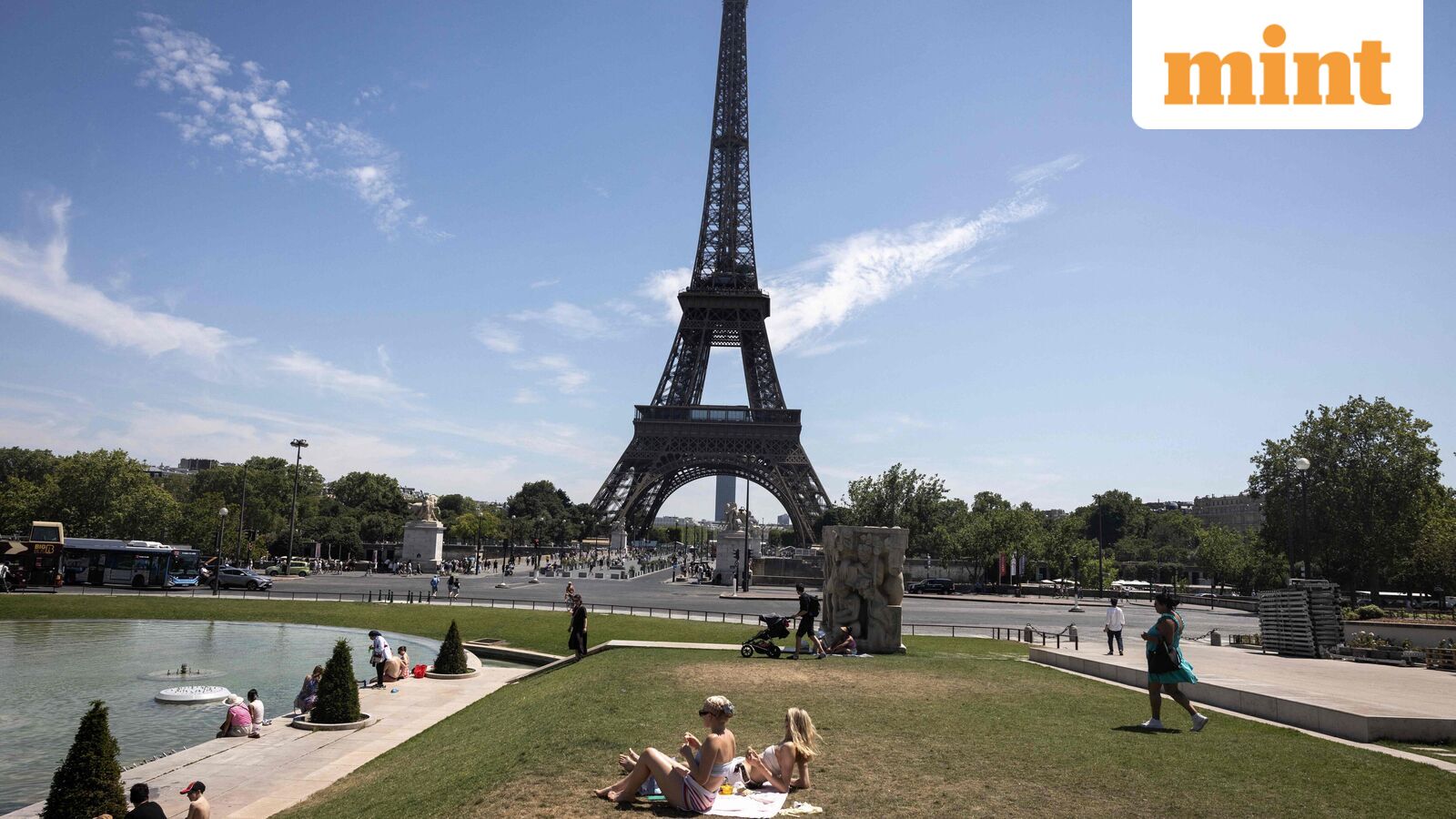
France’s heat emergency: Eiffel Tower and Paris museums shut early amid soaring temperatures
France Heat Emergency: Eiffel Tower and Paris Museums Cut Hours Amid Rising Temperatures Theindiapostdaily.com – France’s heat emergency has intensified, prompting historic changes at key tourist attractions. The Eiffel Tower,…
France Heat Emergency: Eiffel Tower and Paris Museums Cut Hours Amid Rising Temperatures
Theindiapostdaily.com – France’s heat emergency has intensified, prompting historic changes at key tourist attractions. The Eiffel Tower, Louvre Museum, and Musée d’Orsay have all shortened their weekend hours to combat soaring temperatures in Paris. With the country facing its third major heatwave of the year, the Eiffel Tower operator announced an early closure at 4 p.m. on Saturday and Sunday, deviating from its usual late-night operation. This shift underscores the urgency of the situation, as extreme weather conditions threaten both visitor safety and operational sustainability.
The Louvre, one of the world’s most visited museums, will now close at 4 p.m. from Friday to Monday, while the Musée d’Orsay will reduce hours to 5 p.m. starting Saturday. These adjustments aim to mitigate the health risks associated with prolonged exposure to high temperatures. The Eiffel Tower, which typically remains open until midnight, has now aligned its schedule with the heat emergency, reflecting the broader impact on France’s cultural and tourist infrastructure. Authorities are emphasizing the need for precautionary measures to protect public health, particularly in vulnerable populations.
Heat Alerts Span Widespread Regions
Over 22 million people in 24 departments are under the highest red heat warning, with an additional 59 regions classified as orange. This marks an expansion of the heat alert coverage, as temperatures are forecasted to exceed 40°C in multiple areas. The crisis has coincided with the busy pre-Bastille Day travel period, straining transportation networks and leading to overcrowded public spaces. With temperatures continuing to rise, the French government has urged residents and tourists to take extra precautions, especially during peak hours of the day.
Wildfire Threat Escalates Amid Heatwave
“A single second of inattention can put families at risk, endanger those who protect us and destroy our countryside,”
President Emmanuel Macron highlighted the connection between extreme heat and the surge in wildfires. The civil security agency reported over 8,000 fires since the beginning of the year, burning 25,000 hectares—an area roughly double that of the same period in 2025. In response, several towns have canceled Bastille Day fireworks to reduce the likelihood of igniting blazes. This escalation in wildfires has prompted additional measures, including emergency evacuations in certain regions and increased monitoring of fire-prone areas. The crisis has also impacted outdoor activities and raised concerns about air quality.
Health Risks and Public Measures
French health officials have confirmed that the June heatwave has contributed to 2,025 excess deaths, with an additional 300 recorded during the late-May heat surge. The surge in drowning incidents, noted at 131 since June 19, has further emphasized the need for public awareness campaigns. In response, the government has established cooling centers to provide relief for the elderly, homeless, and other at-risk groups. These centers are part of a larger initiative to enhance public health infrastructure and ensure vulnerable populations have access to essential resources during the heat emergency.
Authorities have also expanded air-conditioning in hospitals and public buildings to counteract the effects of the heat. With temperatures projected to remain high for the foreseeable future, the focus is on both immediate relief and long-term adaptation strategies. The government has urged citizens to stay hydrated, avoid prolonged sun exposure, and check on neighbors, particularly those living alone. These measures aim to reduce the strain on healthcare systems and prevent a surge in heat-related illnesses.
Energy Sector Adjustments Amid Heat Crisis
France’s energy sector has faced challenges as the heatwave impacts power production. EDF, the state-owned energy company, has reduced nuclear output by 4.4 gigawatts across five reactors, with Golfech 2 and Bugey 3 fully offline. This decline in energy generation is attributed to the elevated temperatures of rivers like the Seine, which are critical for cooling reactors. Despite these cuts, France continues to export electricity to neighboring countries, including Italy, Britain, and Switzerland, while importing from Belgium, Germany, and Spain to maintain domestic supply.
The energy adjustments have sparked discussions about the balance between environmental regulations and energy demands. EDF has clarified that reactor safety remains a priority, as cooling systems are adjusted to prevent overheating when river temperatures exceed ecological thresholds. With the heat emergency ongoing, the government is closely monitoring energy usage patterns and planning for potential shortages. This situation highlights the interconnected challenges of climate change, public safety, and energy management in France.