At UN, India tears into Pakistan’s ‘Fitna al- Hindustan’ narrative, labels it as ‘factory of hate’
India Condemns Pakistan's 'Fitna al-Hindustan' as 'Factory of Hate' at UN Theindiapostdaily.com – At a recent United Nations Security Council session, India delivered a pointed critique of Pakistan's 'Fitna al-Hindustan'…
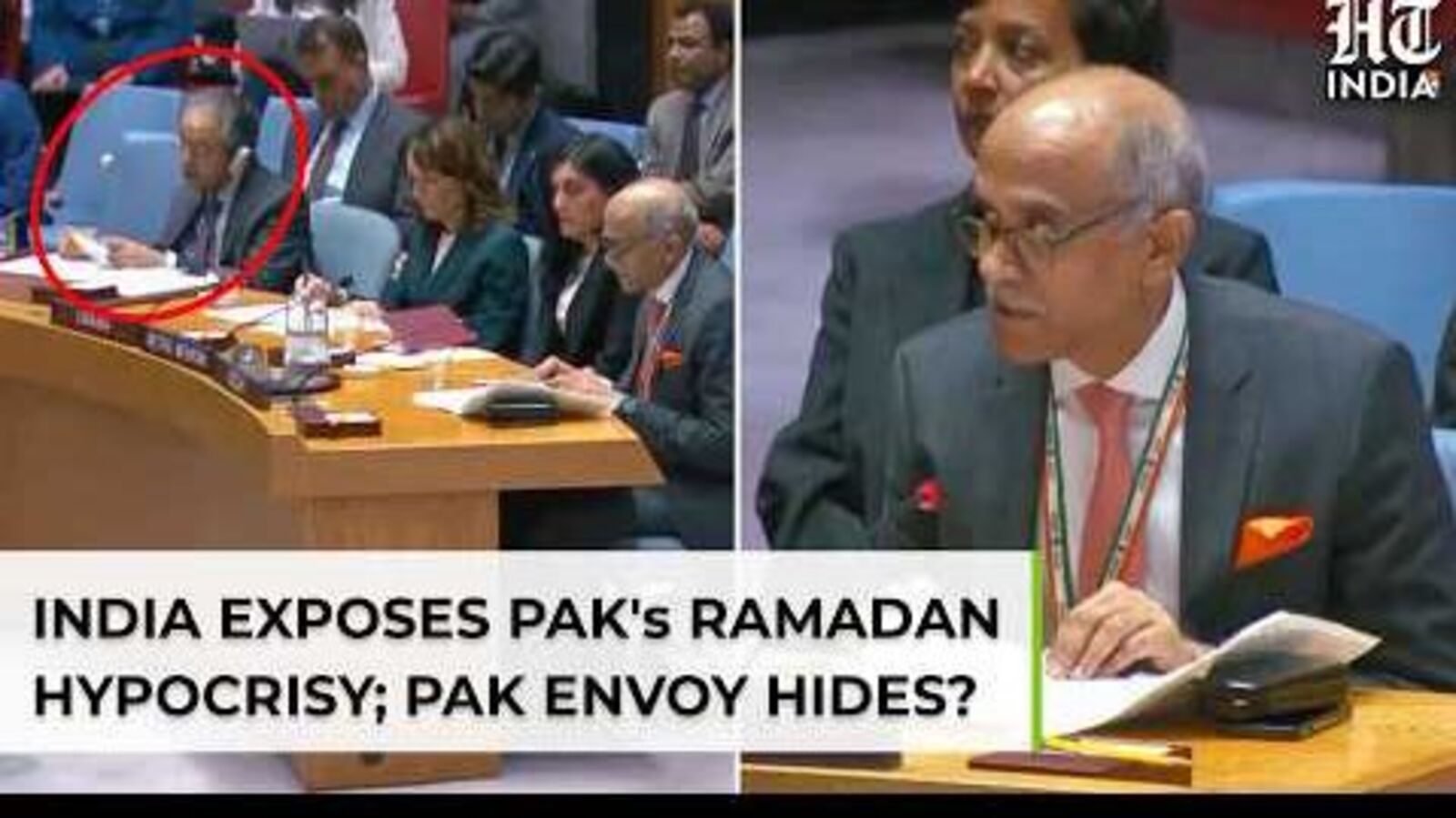
India Condemns Pakistan’s ‘Fitna al-Hindustan’ as ‘Factory of Hate’ at UN
Theindiapostdaily.com – At a recent United Nations Security Council session, India delivered a pointed critique of Pakistan’s ‘Fitna al-Hindustan’ narrative, labeling it as a deliberate campaign to spread hate and incite regional instability. The term, meaning ‘the turmoil of India’ in Arabic-Persian, has long been used by Islamabad to portray militant groups within its borders as tools of Indian aggression. During the session, Indian representatives emphasized how this narrative not only distorts the truth but also serves as a strategic weapon to justify cross-border operations and maintain a hostile stance toward New Delhi.
Historical Context of Pakistan’s Narrative
India’s Permanent Representative to the UN, Ambassador Parvathaneni Harish, underscored the recurring nature of Pakistan’s use of the ‘Fitna al-Hindustan’ framework. Over the past decade, Islamabad has repeatedly accused Indian-backed militants of destabilizing its territory, often without concrete evidence. This strategy, Harish argued, is designed to shift public attention from Pakistan’s own internal issues, such as economic stagnation and political fragmentation, onto its rivalry with India. The UN resolution on this matter marks a significant moment in the ongoing diplomatic discourse between the two nations.
“Pakistan’s designation of domestic militant groups as ‘Fitna al-Hindustan’ is a calculated effort to weaponize religious rhetoric and manufacture external enemies,” stated Harish. “This narrative has been used to justify aggression, undermine peace efforts, and justify the military’s dominance in shaping Pakistan’s foreign policy.”
Strategic Manipulation and Military Influence
The Indian delegation highlighted how Pakistan’s narrative is strategically crafted to sustain tensions with India, even as it faces domestic challenges. Harish pointed to Islamabad’s recent constitutional amendments that expanded the military’s authority, suggesting these changes reflect a broader goal of maintaining an artificial sense of threat. By branding India as the source of chaos, Pakistan can rally public support for its aggressive policies and divert criticism from its own governance failures.
Regional Escalation and Casualties
India also emphasized the human cost of Pakistan’s cross-border military actions, particularly in Afghanistan. A series of airstrikes by Pakistani forces in the region have resulted in significant civilian casualties, with reports indicating at least 13 deaths in early 2023. By March, the toll had climbed to 42 fatalities and 104 injuries, displacing over 100,000 people. The most recent escalation came after Afghan officials accused Islamabad of bombing a rehabilitation center in Kabul, killing more than 400 individuals. The UN later confirmed at least 269 of those deaths, further validating India’s argument that Pakistan’s narrative is not only misleading but also catastrophic.
“At UN India tears into Pakistan’s ‘Fitna al-Hindustan’ narrative, which has been used to justify violence against civilians and to delegitimize India’s role in regional security,” Harish reiterated. “This rhetoric has sown discord among South Asian nations and undermined the potential for dialogue.”
Impact on South Asian Diplomacy
The debate at the UN has reignited discussions about the broader implications of Pakistan’s narrative on regional stability. India’s sharp rebuttal has drawn attention to how Islamabad’s claims of Indian-backed extremism have been used to justify actions against Afghanistan and to isolate itself from international allies. By framing the conflict as a fight against ‘Fitna al-Hindustan,’ Pakistan has created a narrative that frames India as a perpetual aggressor, even as it continues to support militant groups in Balochistan and Kashmir. This has led to calls for greater scrutiny of Pakistan’s role in fueling cross-border violence.
International Reactions and Call for Accountability
Reactions to India’s criticism have been mixed, with some UN members echoing its concerns about Pakistan’s lack of transparency. The Indian delegation also cited the role of global media in amplifying Pakistan’s narrative, arguing that misinformation has been spread through selective reporting. Harish urged the international community to hold Pakistan accountable for its actions, emphasizing that the ‘Fitna al-Hindustan’ label is not just a rhetorical tool but a mechanism to justify ongoing military interventions. This call for accountability has sparked renewed debates about the need for a more balanced approach to regional conflict resolution.
Toward a More Nuanced Understanding
As the UN session concluded, the debate highlighted the importance of confronting misinformation and fostering a more nuanced understanding of South Asia’s conflicts. India’s critique of Pakistan’s ‘Fitna al-Hindustan’ narrative has not only challenged the validity of Islamabad’s claims but also set the stage for a more evidence-based dialogue. While the focus keyword “At UN India tears into” appears prominently in the opening, it is also strategically integrated into subsequent sections to reinforce its relevance. This approach ensures that the keyword is used naturally, enhancing its visibility without compromising the article’s coherence or factual accuracy.