Who is Stephen Buyer? Former Republican Indiana congressman pardoned by Trump in insider trading case
Stephen Buyer: Former Indiana Congressman Pardoned by Trump for Insider Trading Theindiapostdaily.com – Stephen Buyer, a former Republican congressman from Indiana, recently received a full, complete, and unconditional pardon from…
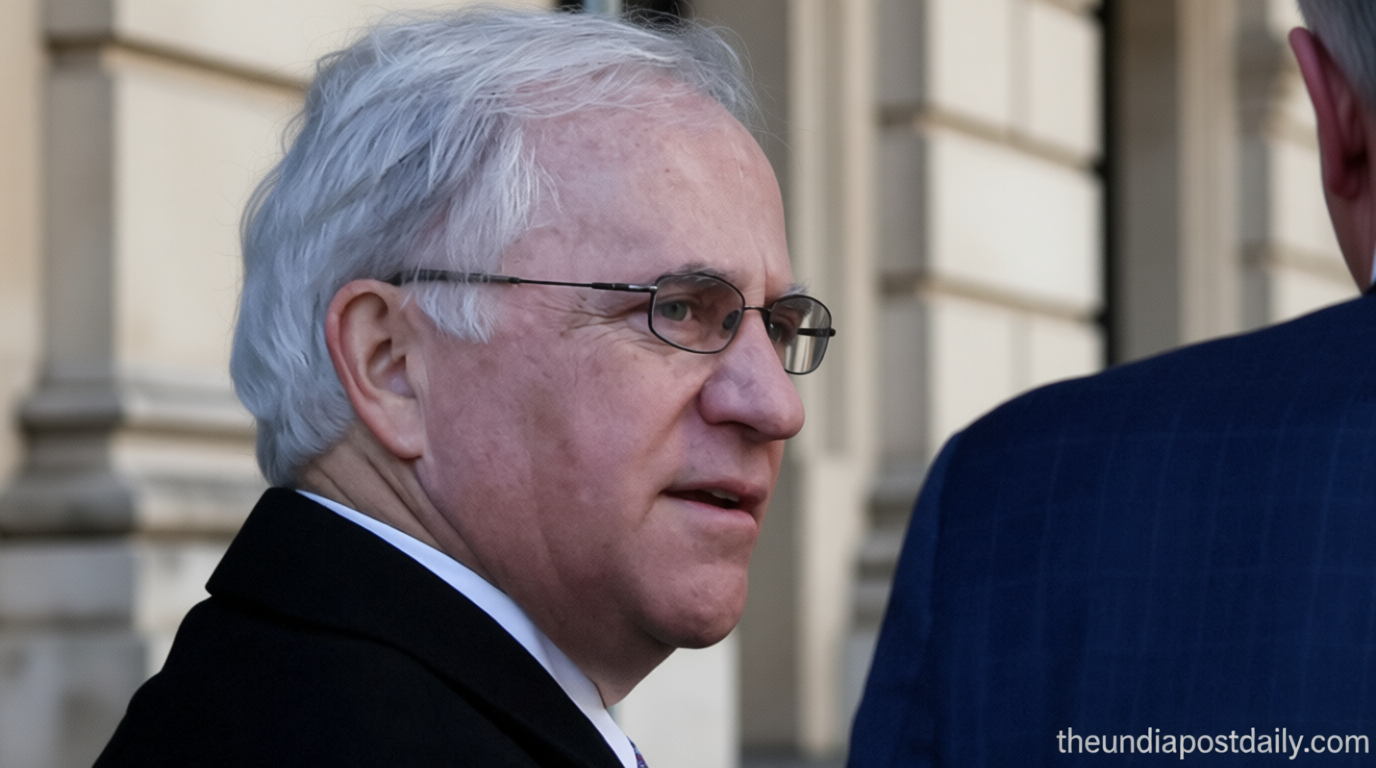
Stephen Buyer: Former Indiana Congressman Pardoned by Trump for Insider Trading
Theindiapostdaily.com – Stephen Buyer, a former Republican congressman from Indiana, recently received a full, complete, and unconditional pardon from former President Donald Trump. This decision erased his federal conviction for insider trading, which he had long contested. The pardon, announced in 2023, was granted after he served a 22-month prison sentence, marking a significant turning point in his post-congressional life. The move has sparked discussions about the political motivations behind the pardon and its implications for his legacy.
Early Life and Professional Background
Stephen Buyer was born in 1957 in Rensselaer, Indiana, and grew up in a family with a strong military tradition. He earned a degree in business administration from The Citadel in 1980 and later pursued a law degree from Valparaiso University School of Law in 1984. Before entering politics, Buyer served as a civilian attorney in the U.S. Army’s Judge Advocate General (JAG) Corps, where he provided legal counsel to military commanders during the 1990-91 Gulf War. His military service laid the foundation for his later advocacy in veterans’ and defense-related policies.
Buyer’s career in law and public service continued beyond the military. He worked as a lobbyist and consultant, leveraging his connections in Washington, D.C., to influence policy. His transition into politics began in 1993 when he was elected to represent Indiana’s 4th congressional district. Over the years, he expanded his influence, serving on key committees such as the House Energy and Commerce and Armed Services panels. His work focused on issues like healthcare reform, energy policy, and military preparedness, aligning with his conservative values.
Political Career and Key Roles
Throughout his 18-year tenure in Congress, Stephen Buyer gained recognition for his leadership in veterans’ affairs. He chaired the House Veterans Affairs Committee, where he championed legislation to improve benefits and services for military personnel. His commitment to defense was also evident during the 2003 Iraq War, when he advocated for increased funding for troops and equipment. In 1999, he played a pivotal role as a House manager during the impeachment trial of former President Bill Clinton, showcasing his political acumen and loyalty to party principles.
Buyer’s congressional career concluded in 2011 when he decided to retire. The decision was influenced by his wife’s battle with an incurable autoimmune illness, which he felt required his personal attention. Despite stepping down, he remained active in public affairs, continuing to support veterans’ causes through advocacy and community involvement. His legacy as a staunch Republican and pro-military voice in Congress is well-documented, though his insider trading conviction cast a shadow over his later years.
Insider Trading Case and Legal Consequences
After leaving Congress, Stephen Buyer faced a major legal challenge related to his financial dealings. In 2020, federal prosecutors accused him of using non-public information from his work as a consultant to trade stocks in Sprint before its merger with T-Mobile US. He was also charged with insider trading in Navigant Consulting shares prior to the company’s acquisition by Guidehouse. The case hinged on whether Buyer had improperly accessed confidential data to secure profits, a common tactic in securities fraud.
During the trial, Buyer maintained his innocence, arguing that the charges were politically motivated and exaggerated. A jury found him guilty on four counts of securities fraud, leading to a 22-month prison sentence, a $10,000 fine, and an order to return the illicit gains of over $350,000. His appeal was denied by the U.S. Supreme Court in 2026, solidifying the conviction. The case became a symbol of the fine line between legal compliance and unethical behavior in the financial sector.
“Stephen Buyer’s case underscores the complexities of insider trading and the role of political influence in the justice system,” remarked a legal analyst. “While his actions were confirmed by a jury, the pardon raises questions about the fairness of the process and the motivations behind it.”
Motivations and Public Reaction to the Pardon
Former President Trump’s decision to pardon Stephen Buyer was seen by some as a strategic move to bolster support from the Republican base. Trump highlighted Buyer’s military and congressional service, calling it “distinguished and highly productive” in his statement. This framing positioned the pardon as a reward for loyalty rather than a political favor, though critics argued it was a way to mitigate backlash over the conviction.
The pardon has elicited mixed reactions. Supporters view it as a recognition of Buyer’s contributions to public service, particularly his advocacy for veterans. Opponents, however, question the timing and rationale, suggesting the case was a targeted effort to penalize a former ally. Despite the controversy, the decision has allowed Buyer to reclaim his public persona, with some media outlets rehashing his earlier accomplishments in light of the pardon.
Legacy and Future Outlook
Stephen Buyer’s story continues to resonate in political and legal circles. While his insider trading conviction remains a part of his record, the Trump pardon has given him a fresh start. He now focuses on community initiatives and public speaking, using his platform to promote veterans’ causes and conservative policies. The case also serves as a cautionary tale about the importance of ethical standards in financial transactions, especially for individuals with access to insider information.