US senators propose Trump-backed Russia sanctions bill, India among 5 nations that could face tariffs
US Senators Propose Trump-Backed Russia Sanctions Bill, India Among 5 Nations at Risk Legislative Action to Target Russian Energy Sector Theindiapostdaily.com – US senators propose Trump backed sanctions measures aimed…
US Senators Propose Trump-Backed Russia Sanctions Bill, India Among 5 Nations at Risk
Legislative Action to Target Russian Energy Sector
Theindiapostdaily.com – US senators propose Trump backed sanctions measures aimed at curbing Russian influence through economic pressure. A bipartisan group of U.S. senators has introduced the Russia Accountability Bill, a legislative initiative backed by former President Donald Trump, which targets five nations—including India—as potential recipients of import tariffs. The bill, unveiled on Capitol Hill, focuses on countries that continue purchasing Russian crude oil, a move designed to weaken Moscow’s energy exports and support Ukraine’s war efforts. This renewed effort follows recent escalations in the conflict and highlights the administration’s commitment to maintaining sanctions pressure on Russia.
Under the proposed framework, the U.S. Trade Representative would have authority to levy tariffs on the most significant buyers of Russian oil, with rates potentially reaching 100%. The legislation’s backers argue that such penalties will incentivize nations to reduce their reliance on Russian energy, thereby cutting off funding for the war in Ukraine. India, which has been a major importer of Russian crude, faces scrutiny due to its continued procurement, despite the U.S. initially imposing a 25% additional tariff in March before reversing the decision in February. The bill also includes provisions for temporary exemptions, allowing countries importing less than 15% of their gas from Russia to avoid penalties, a move intended to shield key Western allies.
Key Provisions and Strategic Alignment
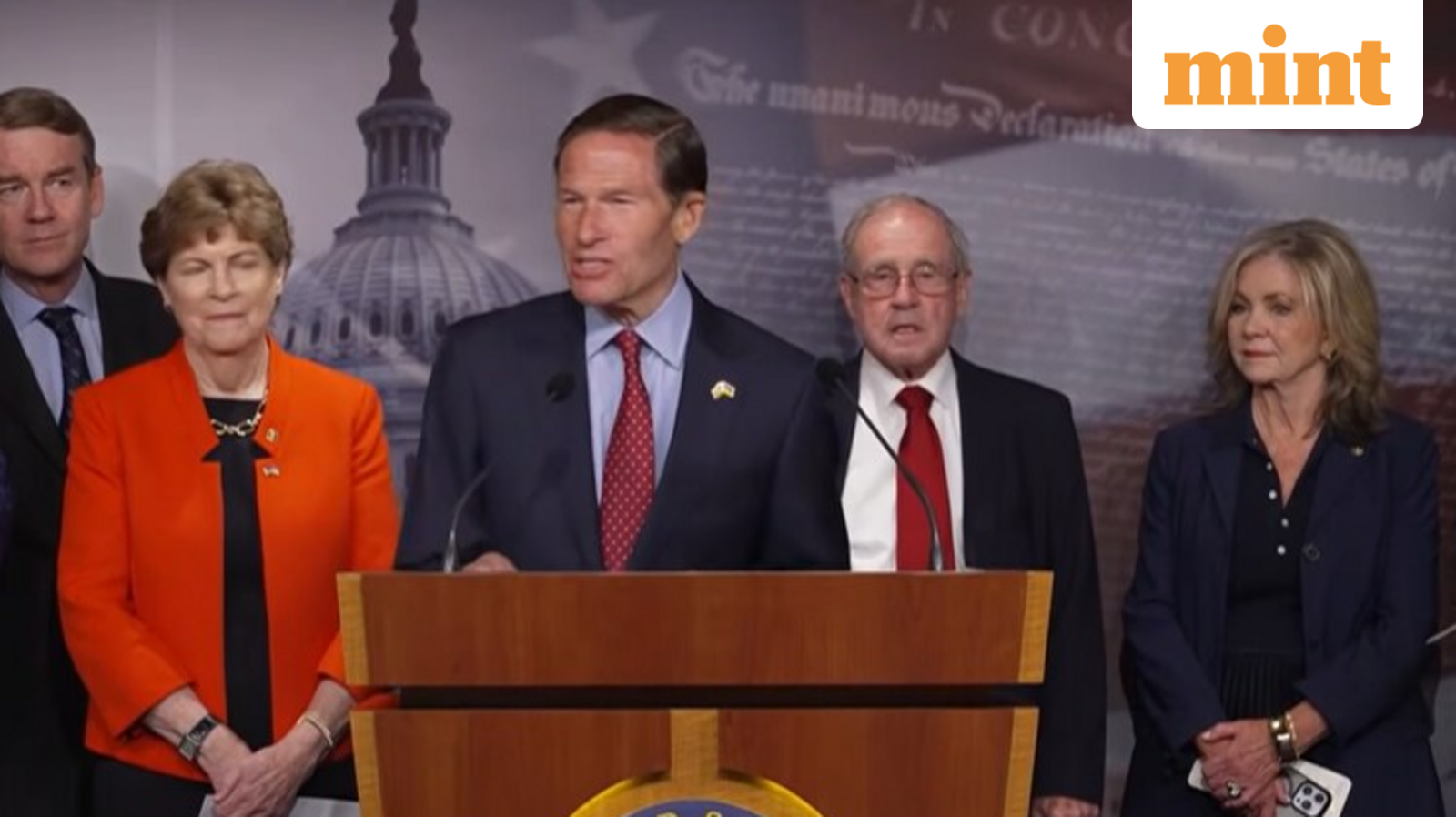
Senator Lindsey Graham, a prominent advocate of the measure, emphasized that the bill aligns with the Trump administration’s hardline approach toward Russia. The legislation, named after him, has received support from both Democrats and Republicans, including Sens. Richard Blumenthal and Jeanne Shaheen, who collaborated with Sens. Roger Wicker and Katie Britt to draft the proposal. Wicker stated on X, “The Russian sanctions legislation championed by my friend Sen. Graham will continue to have my full support in the Senate. We should enact this bipartisan measure to exert maximum economic pressure on Putin’s war machine and help bring this unjust war to an end.”
Blumenthal highlighted the bill’s strategic focus on Russia’s “shadow fleet” of tankers, which have been used to evade existing sanctions. The revised version of the legislation narrows its scope from a potential 63-nation impact to a select group of five oil and five gas buyers, reflecting input from the Trump administration. This adjustment ensures the bill remains both effective and politically viable, with exemptions for countries that significantly cut their Russian oil imports. The plan also mandates regular reporting to Congress, allowing for potential adjustments as the situation evolves.
India’s inclusion in the list of targeted nations has sparked debate about its energy strategy. While the country defends its purchases of discounted Russian crude, citing economic benefits and energy security, the U.S. lawmakers argue that these transactions provide financial support to Russia’s war efforts. The bill’s backers, including Graham, stress that India’s participation in the global energy market should be aligned with broader Western goals, even if it means accepting temporary tariffs. This marks a shift in U.S. policy, as the country continues to balance its energy needs with geopolitical pressures.
Historical Context and Policy Shifts
The Russia Accountability Bill builds on previous U.S. actions against Russian energy exports. Earlier this year, the Trump administration temporarily imposed a 25% tariff on Indian oil imports to pressure Moscow, but later rescinded the measure in February. This decision followed a policy of allowing countries to purchase Russian oil for a limited time, intended to stabilize global energy prices amid the Iran conflict. The expiration of that temporary authorization has reignited calls for stricter sanctions, with the new bill targeting India and four other nations as key leverage points.
India’s reliance on Russian oil has grown substantially since 2022, making it a focal point in the U.S.-led sanctions campaign. The country’s energy ministry has stated that Russian crude provides a cost-effective alternative to Middle Eastern imports, particularly in light of rising global oil prices. However, the U.S. senators propose Trump backed measures argue that this affordability comes at the expense of Russia’s war funding, which they claim is critical to sustaining its military operations in Ukraine. The bill’s introduction reflects a broader strategy to link energy trade with diplomatic and military outcomes.
Implementation and Congressional Momentum
Senators are optimistic about securing Senate approval before the end of August, with the Senate Majority Leader confirming that a vote will be scheduled once sufficient backing is secured. The legislation’s streamlined provisions address concerns raised by House Democrats, who initially criticized the broader scope of earlier drafts. By narrowing the focus to five countries, the bill maintains its intent to target key buyers of Russian oil while reducing potential backlash from allies. The U.S. senators propose Trump backed approach also aligns with the administration’s goal of maintaining pressure on Russia without disrupting global supply chains.
The Russia Accountability Bill is expected to face rigorous debate, particularly regarding its impact on international trade relations. While the U.S. aims to use economic pressure to weaken Russia, some critics warn that the tariffs could strain diplomatic ties with nations like India, which are critical to the global economy. However, supporters argue that the bill’s benefits in curbing Russian financial support for the war outweigh its risks. With the Ukrainian military making recent advances and Russian forces continuing to target civilian areas, the urgency for swift action has intensified, underscoring the importance of the U.S. senators propose Trump backed initiative in shaping the future of international sanctions policy.