Trump picks loyalist Bill Pulte as acting director of national intelligence to replace Tulsi Gabbard
Trump Appoints Trump-Backed Bill Pulte as Acting Director of National Intelligence Trump picks loyalist Bill Pulte as acting - President Donald Trump has
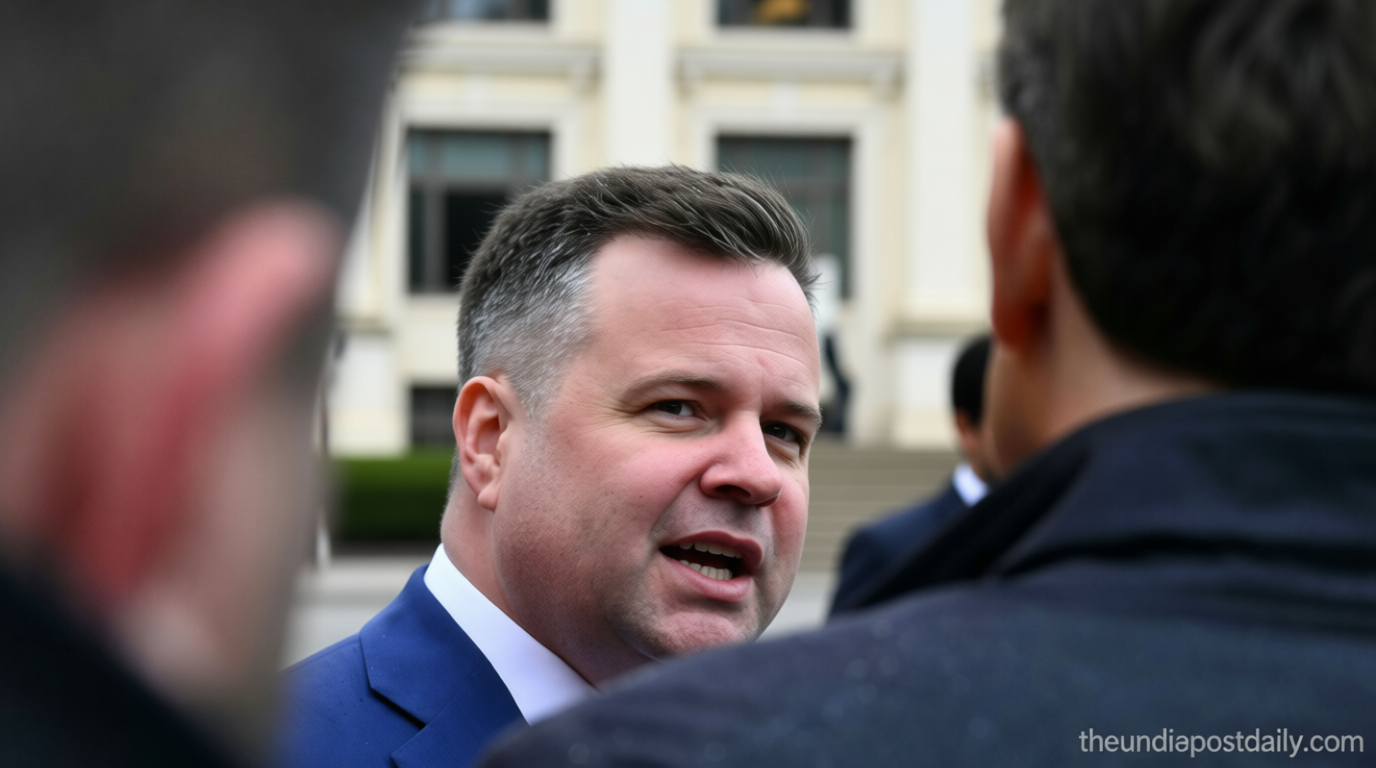
Trump Appoints Trump-Backed Bill Pulte as Acting Director of National Intelligence
Theindiapostdaily.com – President Donald Trump has selected Bill Pulte, a prominent supporter of his administration, to assume the role of acting Director of National Intelligence. This decision comes as Tulsi Gabbard, the former director, announced her intention to resign from the position by the end of June. The move signals a shift in the intelligence leadership, with Trump’s choice aiming to align the agency more closely with his policy objectives and political priorities.
Trump’s announcement was made through his social media platform, Truth Social, where he highlighted Pulte’s extensive experience in managing critical national and economic affairs. The president emphasized Pulte’s background in overseeing the Federal Housing Finance Agency (FHFA) and his leadership at Fannie Mae and Freddie Mac. “William has deep experience managing the most sensitive matters in America, the safety and soundness of the Markets, and over 10 Trillion Dollars at Fannie Mae/Freddie Mac,” Trump stated. “This is a substantial increase from where it was just 12 months ago.” Pulte will continue to hold his current positions during his tenure as acting director.
Gabbard’s Resignation and Controversial Tenure
Tulsi Gabbard’s departure from the role follows weeks of speculation about her decision to step down. According to AFP, her resignation was prompted by personal reasons, specifically the recent diagnosis of her husband, Abraham, with a rare form of bone cancer. Gabbard’s time in the position was marked by notable tensions with Trump, particularly over his approach to the Iran conflict. Her tenure as director was seen as a contentious one, with critics pointing to her independent stance and the political challenges she faced within the administration.
“I am deeply grateful for the trust you placed in me and for the opportunity to lead the Office of the Director of National Intelligence for the last year and a half,” Gabbard said in her resignation statement. “Unfortunately, I must submit my resignation, effective June 30, 2026.” The announcement of her resignation coincided with her acknowledgment of the personal challenges she and her husband were facing, which she described as a decisive factor in her decision.
The DNI position, a key cabinet-level role, typically requires Senate confirmation. However, Trump’s designation of Pulte as acting director allows him to fill the vacancy without the usual confirmation process. While this move streamlines the transition, it raises questions about the long-term implications for the agency’s independence and the likelihood of Pulte securing the permanent appointment. Analysts suggest that his close ties to Trump may influence his approach to intelligence operations and policy decisions.
Bill Pulte: A Trump Loyalist with a Controversial Track Record
Bill Pulte, 38, is a staunch advocate of Trump’s policies and has been a vocal critic of his opponents. Known for his aggressive rhetoric, Pulte has often targeted political adversaries, earning comparisons to the president’s “attack dog.” His work in the housing sector has brought him into the spotlight, particularly his involvement in allegations of mortgage fraud. Pulte has accused Democratic Senator Adam Schiff and New York Attorney General Letitia James of manipulating mortgage application documents, drawing accusations of political bias.
During his time at the FHFA, Pulte became a central figure in the administration’s efforts to address mortgage fraud. He was instrumental in the case against Federal Reserve Governor Lisa Cook, which led to Trump’s attempt to remove her from her post. Pulte’s actions have been both praised and scrutinized, with some viewing him as a defender of economic integrity and others as a tool for political influence.
In May 2025, Pulte escalated his criticism by referring Senator Adam Schiff to the Justice Department for a potential criminal investigation. The move, which was part of a broader strategy to challenge Democratic figures, did not result in a formal inquiry. Despite this, the accusations against Schiff sparked debate about the politicization of intelligence agencies. Meanwhile, Pulte’s public attacks on federal officials have drawn attention from Democratic lawmakers, who have sought to examine the validity of his claims.
Legal Scrutiny and Political Repercussions
The appointment of Pulte has not gone unnoticed by critics. In September 2025, House Democrats requested that an inspector general investigate the mortgage fraud allegations Pulte leveled against Lisa Cook. Cook has denied the accusations, arguing that they were politically motivated. This scrutiny highlights the ongoing tensions between the executive branch and congressional oversight, with Pulte’s actions becoming a focal point for Democratic lawmakers.
Further controversy emerged when then-Representative Eric Swalwell of California filed a lawsuit against Pulte, alleging that he used his official position to advance unfounded claims of mortgage fraud. The suit accused Pulte of leveraging his influence to target specific individuals, potentially undermining the credibility of the intelligence process. Swalwell’s legal action was a direct response to the accusations he deemed exaggerated, and it ultimately led to his resignation from Congress due to sexual misconduct allegations.
Analysts argue that Pulte’s appointment reflects Trump’s strategy of consolidating control over key agencies by appointing loyalists. His experience in financial oversight, combined with his public advocacy for the president’s agenda, positions him as a strong candidate for reshaping the intelligence landscape. However, his reliance on political tactics has raised concerns about the agency’s impartiality. As the acting director, Pulte will have the opportunity to implement his vision, though the permanent nomination remains uncertain.
Despite the potential for political influence, Pulte’s background in housing finance offers a unique perspective on economic stability. His leadership at Fannie Mae and Freddie Mac, which oversee a combined $10 trillion in assets, has been characterized by a focus on market resilience and regulatory enforcement. Critics, however, argue that his aggressive stance could lead to a more partisan approach in intelligence operations, prioritizing Trump’s interests over broader national security goals.
The transition from Gabbard to Pulte underscores the dynamic nature of the DNI role, which serves as a critical link between intelligence agencies and the executive branch. With Pulte’s appointment, the focus may shift toward policies that align with Trump’s economic and foreign policy priorities. Yet, the challenges of maintaining agency independence and addressing internal disputes remain. As the acting director, Pulte’s tenure will likely be marked by efforts to consolidate power and streamline decision-making processes within the intelligence community.