Trump intelligence chief nominee Jay Clayton declines to say Biden won 2020 election during senate confirmation hearing
Jay Clayton, Trump's Intelligence Chief Nominee, Declines to Confirm Biden's 2020 Election Victory Trump intelligence chief nominee Jay Clayton - During a
Jay Clayton, Trump’s Intelligence Chief Nominee, Declines to Confirm Biden’s 2020 Election Victory
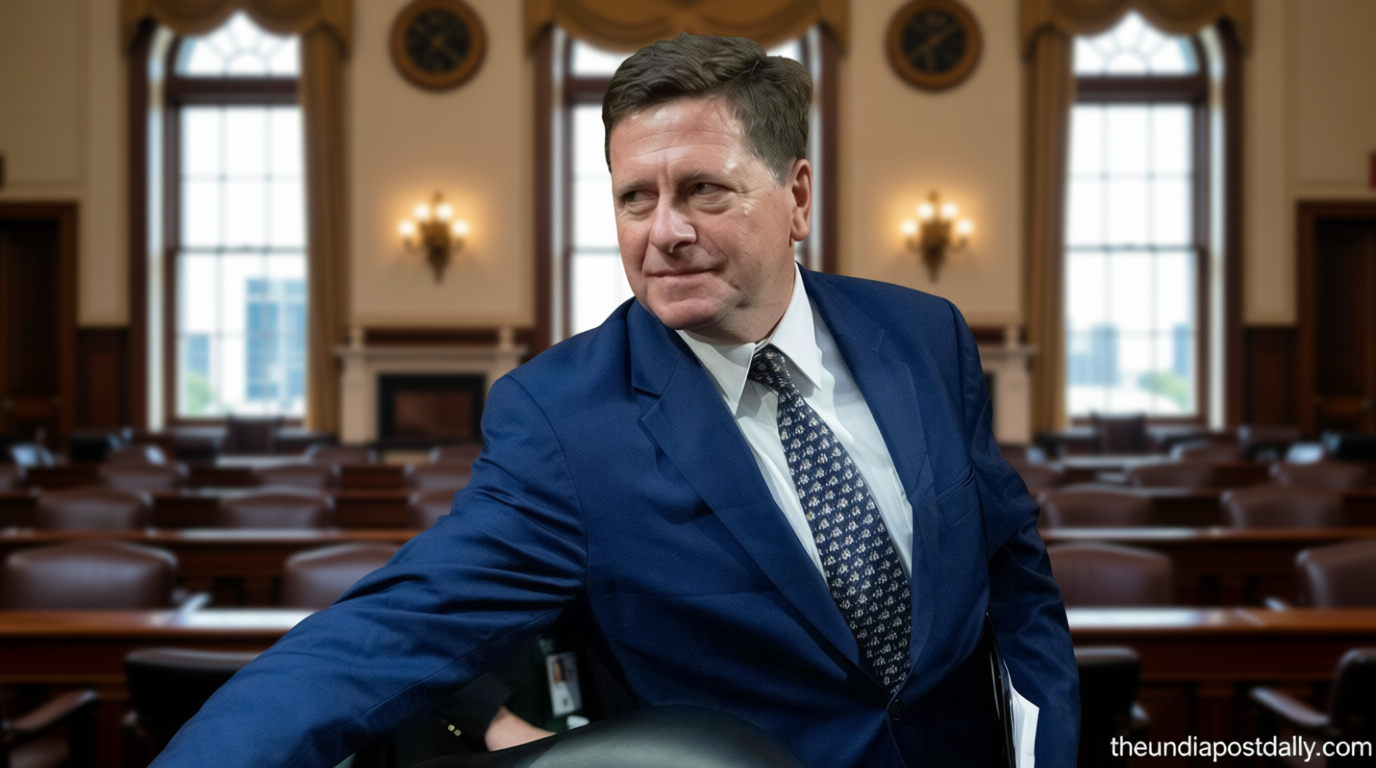
Theindiapostdaily.com – During a Senate confirmation hearing on Wednesday, July 15, Jay Clayton, the nominee for Director of National Intelligence under President Donald Trump, faced intense questioning about the outcome of the 2020 presidential election. The focus keyword “Trump intelligence chief nominee Jay Clayton” emerged as central to the discussion, as Democratic senators pressed him to endorse Joe Biden’s win. Clayton, who had previously served as the head of the Securities and Exchange Commission (SEC), maintained a cautious approach, avoiding a definitive statement on the election results.
Avoiding Direct Endorsement
When Senator Jon Ossoff of Georgia challenged Clayton to clarify his position, the nominee refused to commit, stating,
“I’m not going to get into this with you. I’ve answered it.”
This response sparked debate among lawmakers, with some interpreting it as hesitation to support the certification of Biden’s victory. The hearing, held under the spotlight of ongoing election disputes, highlighted the tension between confirming the results and aligning with Trump’s claims of election fraud.
Clayton’s reluctance to affirm Biden’s win raised concerns about his impartiality. Sen. Mark Warner, the ranking Democrat on the Senate Intelligence Committee, expressed disappointment, noting,
“I’ve known Mr. Clayton for some time, I worked with him closely when he was at the SEC. But I am bitterly disappointed.”
Warner emphasized that Clayton’s role as a national intelligence leader required unambiguous support for election integrity, which his answers seemed to lack. The senator’s comments underscored the importance of trust in the confirmation process, particularly during a time of political polarization.
Scrutiny Over Gabbard’s Actions
The hearing also examined former Director of National Intelligence Tulsi Gabbard’s visit to a Georgia election office during an FBI search tied to the 2020 election. Clayton initially claimed he had not learned about the visit until preparing for the hearing, later adding that it “wasn’t something on my mind.” Sen. Warner countered, saying,
“It strains credibility.”
This exchange revealed deeper scrutiny of Clayton’s alignment with Trump’s narrative, as his answers were seen as evasive rather than definitive.
Democrats argued that Clayton’s refusal to comment on whether Gabbard’s actions were appropriate could undermine his credibility as a leader in the intelligence community. The senator pointed out that Clayton’s omission suggested a lack of commitment to the election process, which is critical for maintaining public confidence. Meanwhile, Republicans defended his stance, highlighting his experience and qualifications as a strong candidate for the role.
Additional questions during the hearing centered on the White House’s plans to subpoena four New York Times journalists related to a security investigation involving a Qatari-gifted Air Force One. Clayton declined to specify whether the White House had been involved in the process beforehand, insisting,
“I am confident in procedures we have in place to protect freedom of press.”
This statement further fueled speculation about the nominee’s alignment with Trump’s approach to media and election disputes.
Political Implications and Next Steps
Despite Democratic objections, Clayton’s nomination received support from Republican lawmakers, who viewed his responses as consistent with their position on the 2020 election. Senate Intelligence Committee Chairman Tom Cotton announced that the committee would move forward with a vote on Clayton’s confirmation next week. The decision comes as the White House seeks to replace acting director Bill Pulte, whose temporary appointment had drawn bipartisan criticism for lacking expertise in intelligence operations.
Clayton’s opening remarks emphasized his commitment to national security and leadership, stating,
“I saw firsthand how a strong national security apparatus depends on decisive judgment, discipline, integrity, and effective communication and cooperation across different branches of the government.”
However, his evasiveness on the election issue left room for interpretation, with some lawmakers suggesting it could affect his ability to oversee the intelligence community during a critical period. As the confirmation process progresses, the role of “Trump intelligence chief nominee Jay Clayton” in shaping future policies and responses to election challenges will remain under close watch.