Quote of the day by Anthony Perkins in Alfred Hitchcock’s controversial hit: ‘A boy’s best friend is his…’
c Line from *Psycho*: A Boy's Best Friend is His Mother Quote of the day by Anthony Perkins is found in Alfred Hitchcock’s 1960 film *Psycho*, a controversial
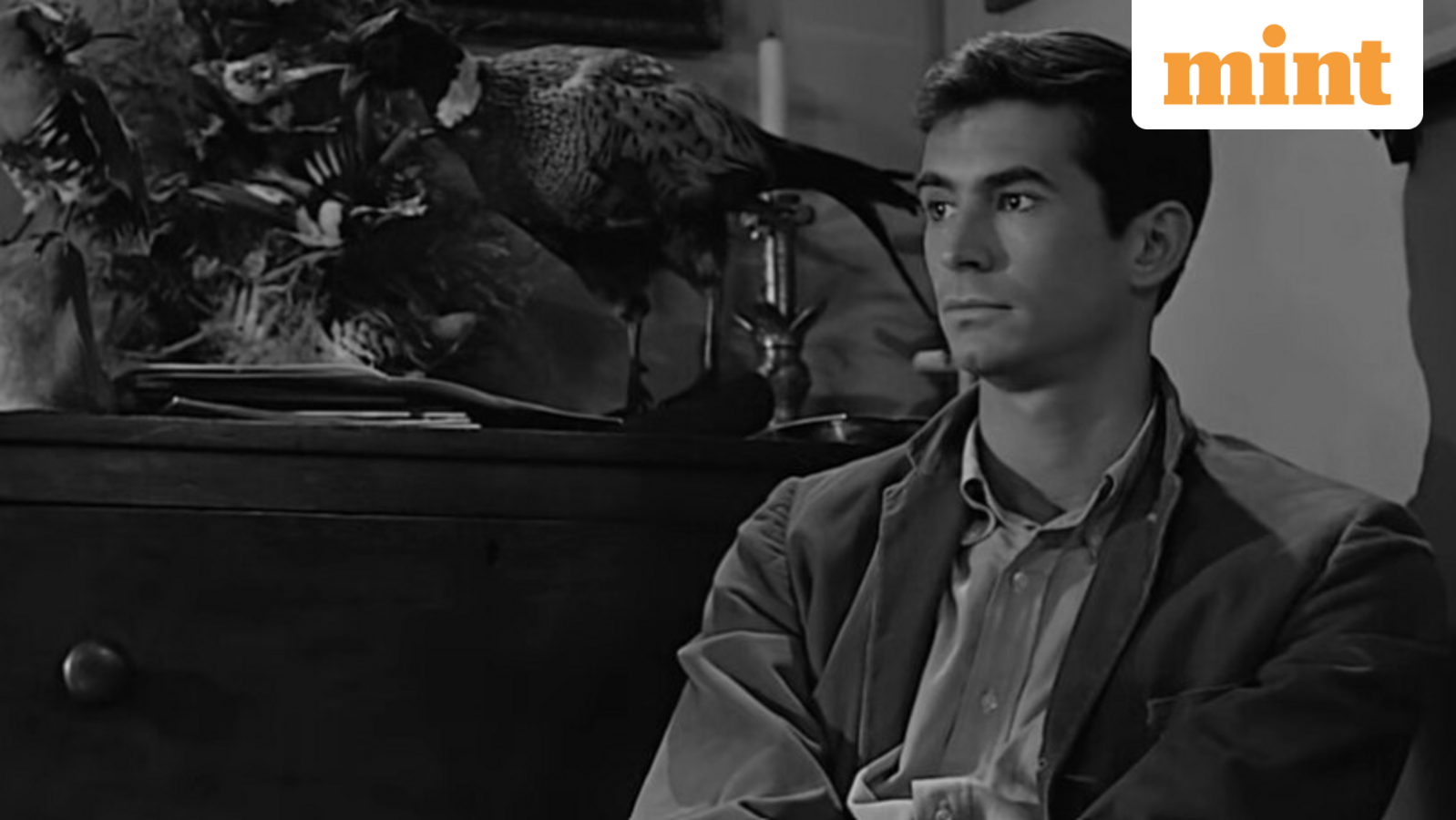
The Iconic Line from *Psycho*: A Boy’s Best Friend is His Mother
Theindiapostdaily.com – Quote of the day by Anthony Perkins is found in Alfred Hitchcock’s 1960 film *Psycho*, a controversial yet groundbreaking psychological thriller. Norman Bates, portrayed by Perkins, delivers the chilling line
“A boy’s best friend is his mother.”
during a seemingly innocent conversation with Marion Crane, Janet Leigh’s character. This line, delivered in a tense and intimate setting, becomes a pivotal moment that redefines the narrative and challenges viewers to reconsider their understanding of love, loyalty, and identity. The film’s release marked a turning point in cinema, and this quote has since become a symbol of the complex human psyche, often referenced in discussions about psychological manipulation and familial bonds.
Context and Historical Significance
Released in 1960, *Psycho* was both a commercial and critical success, though it sparked debates about its graphic content and narrative structure. The line “A boy’s best friend is his mother” is spoken in the film’s second act, after Norman’s alter ego, the “Mother” figure, has already begun to influence his actions. At the time, the quote was met with mixed reactions, with some viewers interpreting it as a metaphor for a twisted form of affection, while others saw it as a subtle foreshadowing of Norman’s descent into madness. This dialogue encapsulates Hitchcock’s ability to blend humor with horror, making the line memorable and unsettling in equal measure.
Psychological Layers and Symbolism
The depth of the quote lies in its psychological duality. On the surface, Norman’s words suggest a bond between a child and their mother, reflecting the natural progression of familial relationships. However, the line takes on a darker meaning when the plot twist is revealed, exposing Norman’s fractured psyche. The phrase becomes a symbol of his internal conflict, where his identity merges with that of his mother, blurring the lines between self and caregiver. This duality not only propels the plot but also invites viewers to explore the theme of how trauma and obsession can redefine the concept of friendship and love.
Analysis of the Quote’s Impact
As a Quote of the day by Anthony Perkins, the line has endured as a cultural touchstone, often quoted in academic analyses and popular media. Its simplicity belies a profound commentary on human psychology, making it a favorite among film scholars and critics. The quote’s resonance stems from its ability to evoke both vulnerability and menace, capturing the essence of Norman’s character in a single sentence. This duality has led to its frequent use in discussions about character development, with many analyzing how Hitchcock leverages the line to underscore the fragility of the human mind.
Modern Interpretations and Enduring Legacy
Decades after its release, the quote remains relevant, often used to explore themes of identity and dependency in contemporary media. In modern psychology, it is cited as an example of how early relationships can shape an individual’s sense of self, sometimes to the point of obsession. The line also finds its way into popular culture, appearing in books, TV shows, and even social media discussions. Its lasting impact is a testament to Hitchcock’s storytelling, as it continues to provoke thought and debate about the boundaries of love and loyalty. This Quote of the day by Anthony Perkins is more than a character’s line; it’s a narrative device that encapsulates the film’s core themes and leaves a lasting impression on audiences.
Lessons from the Dialogue
Norman’s words serve as a cautionary tale about the fine line between affection and control. They highlight how deep emotional ties can sometimes lead to psychological entrapment, especially in the absence of a healthy self-identity. The quote encourages viewers to reflect on their own relationships, questioning whether they are shaped by genuine connection or unconscious dependency. Hitchcock’s use of this line exemplifies his mastery of suspense, as it transforms a simple statement into a chilling revelation. This Quote of the day by Anthony Perkins not only defines the film’s psychological depth but also stands as a timeless reminder of the complexities of human emotion.