New York Mayor Zohran Mamdani skips annual Israel Day parade, irks Jewish people
New York Mayor Zohran Mamdani's Absence from Israel Day Parade Sparks Controversy Theindiapostdaily.com – New York Mayor Zohran Mamdani did not participate in the annual Israel Day parade on Fifth…
New York Mayor Zohran Mamdani’s Absence from Israel Day Parade Sparks Controversy
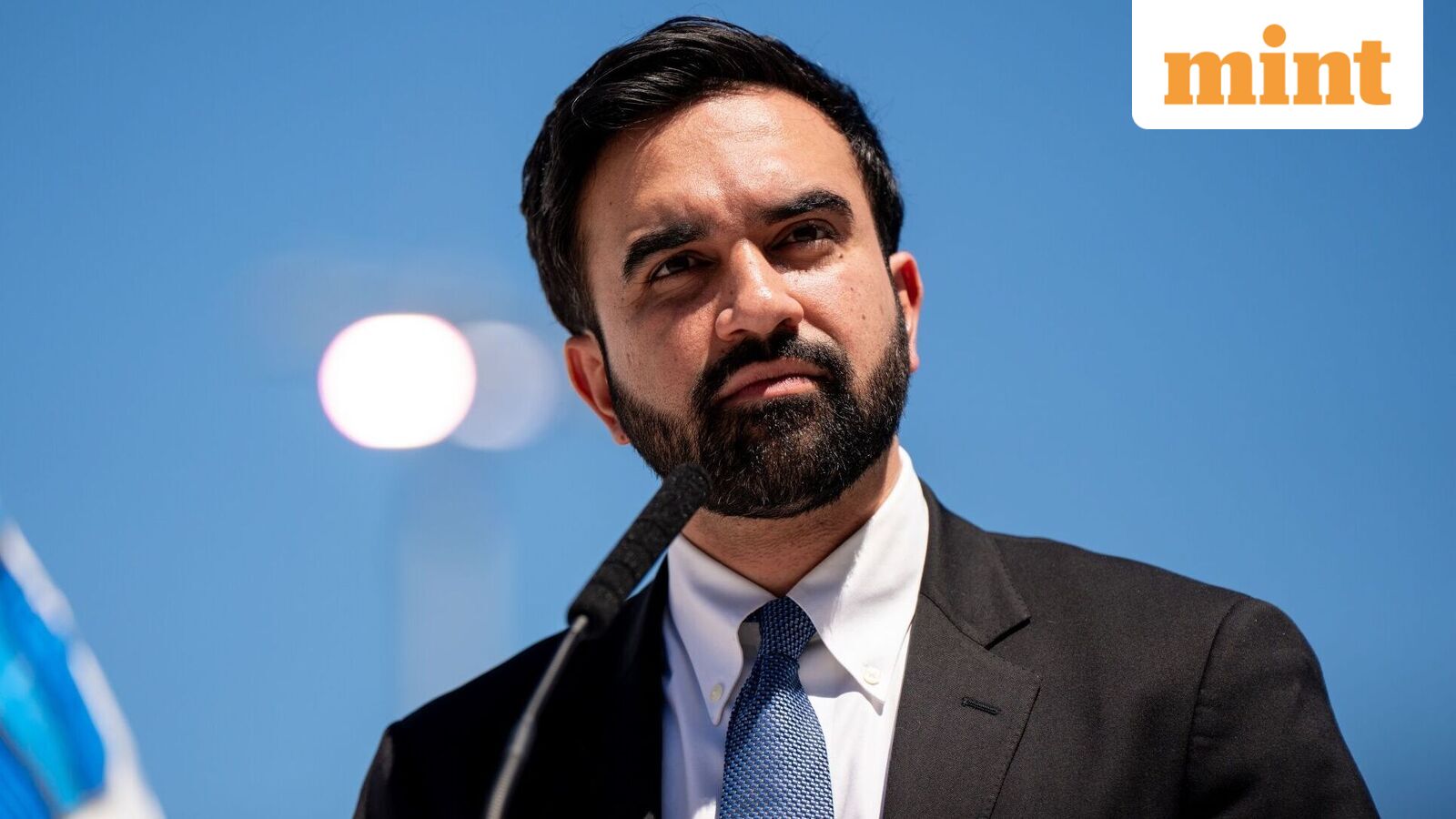
Theindiapostdaily.com – New York Mayor Zohran Mamdani did not participate in the annual Israel Day parade on Fifth Avenue, a decision that has sparked debate among Jewish communities. The mayor’s choice to skip the event, which has traditionally seen city leaders celebrate Israel’s founding, reflects his stance on Palestinian rights and criticism of Israeli policies. This absence has drawn sharp reactions, with some Jewish figures viewing it as a symbolic challenge to the nation’s legacy. As the city’s first Muslim mayor, Mamdani’s actions highlight a growing divide in New York’s political landscape.
A Tradition of Commemoration
The Israel Day parade, a longstanding tradition in New York, serves as a cultural and political showcase for the Jewish community. For decades, mayors have joined the procession to honor Israel’s creation in 1948 and reinforce its significance in the city. The event typically draws thousands of participants, including officials, families, and supporters, who wave flags and celebrate Israeli heritage. However, this year’s parade has taken on new meaning due to Mamdani’s absence, raising questions about shifting priorities in New York’s leadership.
Support for Palestinian Rights
Mamdani’s decision aligns with his consistent advocacy for Palestinian rights, which has been a central theme of his mayoral campaign. Two weeks before the parade, his office released a video commemorating the Nakba, a term meaning “catastrophe” in Arabic, highlighting the displacement of approximately 700,000 Palestinians during the 1948 Arab-Israeli war. The clip includes the story of a woman who lost her homeland at age nine, a narrative that underscores Mamdani’s alignment with Palestinian perspectives. This marked the first time a sitting NYC mayor publicly acknowledged the Nakba, signaling a shift in the city’s political stance.
Police Commissioner’s Participation
While Mamdani skipped the parade, New York City’s police commissioner, Jessica Tisch, a Jewish official, attended the event. Tisch stated her participation was a personal choice, emphasizing, “It is the mayor’s decision not to march, and it is my decision to march proudly.” Her presence at the parade, alongside other officials, highlights the diverse reactions to Mamdani’s absence. The mayor defended his choice, explaining that his commitment to Palestinian issues had been clear throughout his campaign and remained unchanged.
Opposition Views as Antisemitic
Jewish critics have labeled Mamdani’s absence as antisemitic, arguing it undermines the significance of Israel Day. Rabbi Marc Schneier of The Hampton Synagogue on Long Island called the mayor’s decision “a slap in the face to all Jewish New Yorkers,” urging him to “stay home” and express his disapproval. Schneier also criticized the Nakba video, calling it “propaganda” that overlooks the historical context of Jewish displacement during the same period. His remarks underscore the growing tension between Mamdani’s pro-Palestinian stance and traditional support for Israel in New York.
Israeli Supporters React
For Israeli advocates, Mamdani’s absence has been a point of contention. They argue that the Nakba video fails to address the displacement of Jews from Muslim-majority countries or the Holocaust’s role in shaping the establishment of Israel. One supporter noted, “The video should have acknowledged the mass slaughter of Jews in the Holocaust or the displacement of Jewish communities during the Arab-Israeli conflict.” This critique highlights the debate over how to balance support for both Palestinian and Jewish narratives in New York’s political discourse.
Broader Implications
As New York City’s first Muslim mayor, Mamdani’s actions have broader implications for the city’s political identity. His absence from the Israel Day parade, combined with the Nakba video, has framed the event as a platform for contrasting views on the Middle East conflict. The mayor’s emphasis on addressing antisemitism while advocating for Palestinian rights reflects a nuanced approach to the issue. However, his choice to skip the parade has also intensified scrutiny, with some viewing it as a strategic move to differentiate his administration from previous pro-Israel leaders.