Melissa Casias’ body discovered: From Los Alamos to NASA, the timeline behind America’s missing scientists mystery
Discovery of Melissa Casias' Remains Sparks New Wave of Investigation Theindiapostdaily.com – On the weekend of June 28-29, 2025, the remains of Melissa Casias were found in Carson National Forest,…
Discovery of Melissa Casias’ Remains Sparks New Wave of Investigation
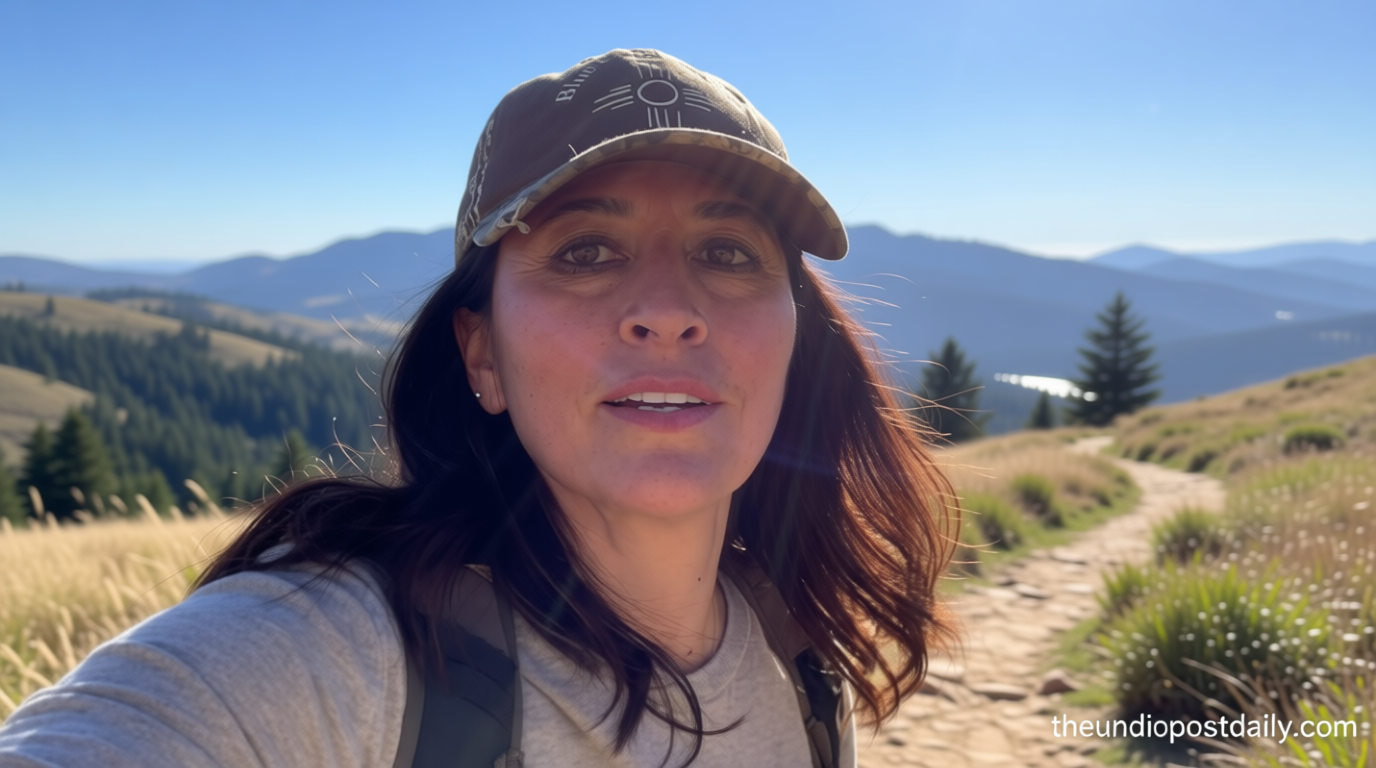
Theindiapostdaily.com – On the weekend of June 28-29, 2025, the remains of Melissa Casias were found in Carson National Forest, New Mexico, marking a significant development in the ongoing mystery surrounding missing scientists. Casias, a dedicated nuclear laboratory technician, had vanished from her life on June 26, 2025, leaving no clues behind. Her body was discovered alongside a firearm, and authorities confirmed her identity on Monday through the New Mexico State Police. This case has reignited public speculation about a series of disappearances linked to U.S. defense and nuclear programs.
A Growing Pattern of Unexplained Absences
Casias is not the first individual connected to national security research to go missing in recent years. Since 2022, a number of scientists and professionals with access to sensitive information have either died under unclear circumstances or disappeared without explanation. These incidents have fueled widespread interest and, in some cases, conspiracy theories about potential threats to American scientific and defense systems.
The first notable case in this sequence occurred in June 2022, when Amy Eskridge, a researcher in anti-gravity technology, died by suicide. Eskridge had founded the Institute for Exotic Science in Huntsville, Alabama, and her family attributed her death to persistent pain. However, conspiracy theorists have questioned this explanation, suggesting a deeper link between her demise and broader security concerns. This event set the stage for further investigations into the disappearances of others in similar fields.
Key Cases in the Investigation
In early 2024, the death of Michael David Hicks added to the intrigue. Hicks, a NASA Jet Propulsion Laboratory scientist specializing in asteroids and comets, was found deceased, though the exact cause of his death was not disclosed initially. His daughter later told CNN that while her father had medical issues, there was no clear evidence pointing to foul play. “I don’t understand how his death connects to the other missing scientists,” she remarked, emphasizing the lack of a logical explanation.
Following Hicks, Frank Maiwald, another JPL engineer, passed away on April 7, 2024. His obituary did not specify the cause of death, leaving room for speculation. This pattern continued in May 2025 with the disappearance of Anthony Chavez, a retired foreman at Los Alamos National Laboratory. Chavez has remained unaccounted for, with no signs of his whereabouts since he left his home.
On June 22, 2025, Monica Jacinto Reza, a metallurgist associated with JPL, went missing while hiking in Angeles National Forest, California. Her case remains unsolved, adding to the list of enigmatic events. Other incidents include the death of Jason Thomas, a chemical biologist at Novartis, and the murder of Carl Grillmain, whose suspect was later charged. Additionally, former U.S. Air Force officer William Neil McCasland disappeared after leaving his home to hike in New Mexico, further complicating the timeline.
Government Scrutiny and Public Concern
The House Committee on Oversight and Government Reform, alongside the Subcommittee on Economic Growth, Energy Policy, and Regulatory Affairs, has initiated a formal inquiry into these cases. In a recent press release, the committee highlighted the “mysterious deaths and vanishings” of individuals linked to U.S. nuclear secrets or advanced rocket technology. The statement noted that these events could pose a “grave threat” to national security and the safety of personnel handling classified scientific data.
“The Committee on Oversight and Government Reform is investigating recent unconfirmed public reporting on the disappearance and death of individuals with access to sensitive U.S. scientific information. These reports allege that at least ten individuals who ‘had a connection to U.S. nuclear secrets or rocket technology’ have ‘died or mysteriously vanished in recent years.’ If the reports are accurate, these deaths and disappearances may represent a grave threat to U.S. national security and to U.S. personnel with access to scientific secrets. We request a briefing on any information regarding these deaths and disappearances, as well as the processes and procedures in place to protect American scientific secrets and ensure personnel safety,” the committee said.
The investigation has drawn attention to the potential vulnerabilities in the systems designed to safeguard classified information. As the FBI continues its probe, the public is closely watching for updates that might clarify the connections between these seemingly isolated cases.
Conspiracy Theories and Official Responses
Speculation about a coordinated effort to eliminate key figures in defense and nuclear research has grown. While authorities have yet to confirm any links between the incidents, the timing and locations of the disappearances have raised questions about the security of sensitive data. Casias’ case, in particular, has drawn focus due to her proximity to Los Alamos National Laboratory and the discovery of her firearm near her remains.
Lawmakers have expressed concern over the lack of transparency surrounding these events. For instance, the cause of death for Michael David Hicks was initially unclear, prompting further scrutiny. His daughter’s comments, however, offered a personal perspective, suggesting that while her father’s health was a factor, the circumstances of his passing did not align with the alleged federal investigation.
Meanwhile, the public has become increasingly vocal about the issue. Social media platforms and news outlets have amplified theories about intentional cover-ups or external threats targeting U.S. scientific assets. This discourse has put pressure on government agencies to provide more detailed explanations about the safety protocols in place and the steps being taken to prevent future incidents.
What Trump Said on the Issue
President Donald Trump, addressing the matter in a recent statement, emphasized the need for swift action to uncover the truth. “These disappearances are not random—they are part of a larger pattern that demands our full attention,” he said. Trump’s remarks underscored the political significance of the cases, suggesting that national security was at stake and that the government must act decisively to protect its intellectual property.
While Trump’s comments have added urgency to the investigation, some critics argue that the focus on high-profile cases may overshadow the broader implications of the trend. Nonetheless, the series of events has prompted a cross-agency review, with the Department of Energy, Department of War, FBI, and NASA being asked to share information about the missing individuals and any potential security breaches.
As the inquiry progresses, experts and citizens alike await further revelations that could shed light on the causes behind these disappearances. Whether the cases are the result of accidental circumstances, medical issues, or deliberate actions, the timeline of events continues to unfold, raising critical questions about the safety of those entrusted with America’s most advanced scientific knowledge. The discovery of Melissa Casias’ body serves as a reminder of the ongoing mystery and the need for comprehensive answers in the months to come.