Iraq PM Ali al-Zaidi meets Donald Trump in Washington today amid US-Iran war: What to expect
Iraq's Prime Minister Ali al-Zaidi is set to engage in a
Iraq PM Ali al-Zaidi Meets Trump Amid US-Iran Tensions: Key Expectations
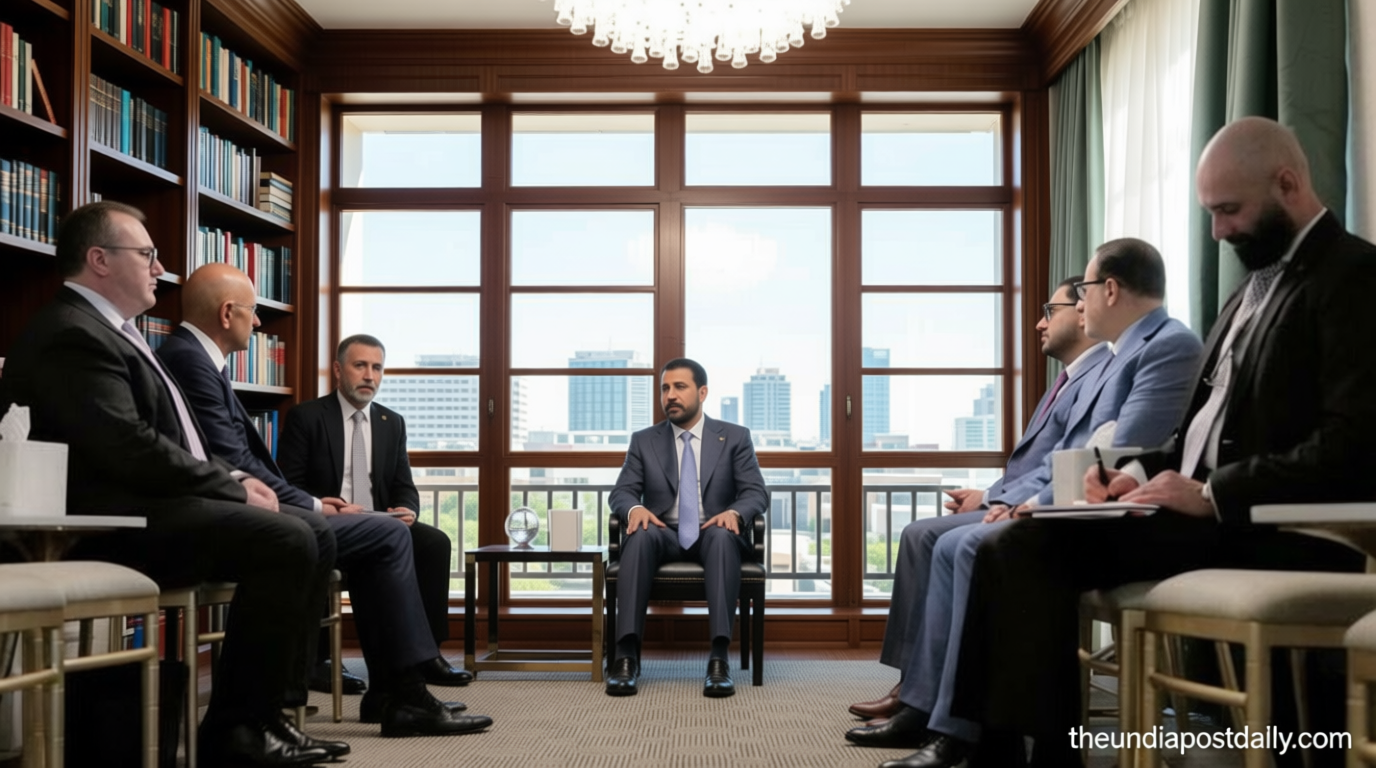
Theindiapostdaily.com – Iraq’s Prime Minister Ali al-Zaidi is set to engage in a high-stakes meeting with former U.S. President Donald Trump in Washington, D.C., on July 14. This visit, his first international trip since assuming office in April, comes as the U.S.-Iran conflict intensifies, with both nations escalating military and diplomatic pressure in the region. The encounter highlights Iraq’s pivotal role in balancing its strategic alliances while navigating the complexities of a potential U.S.-Iran war. Analysts are closely monitoring the discussions to understand how Baghdad’s leadership will align with Washington’s priorities while safeguarding its own interests.
Strengthening Economic Ties and Energy Infrastructure
Al-Zaidi’s primary objective during the meeting is to solidify Iraq’s economic partnership with the United States, particularly in the energy sector. Recent weeks have seen Baghdad explore new avenues to secure American investment, including agreements on oil and gas exploration. According to official statements, Iraq aims to establish a dedicated fund to boost its electricity generation capacity, a critical need for a nation heavily reliant on hydrocarbons. The potential for a new oil deal could alleviate some of the financial strains caused by the closure of the Strait of Hormuz, which disrupted global oil flows and strained Iraq’s budget.
“Iraq is prepared to leverage its oil reserves as a catalyst for regional collaboration, offering tangible economic benefits in exchange for sustained American support,” al-Zaidi emphasized in a pre-visit interview with The Washington Post.
The government has also announced plans to simplify regulations for foreign companies, aiming to attract more U.S. firms into the energy market. This strategy could provide much-needed capital and technology to modernize Iraq’s aging infrastructure. However, challenges remain, including the need to resolve disputes over oil revenue sharing and address the growing influence of Iran-backed militias in the country’s energy sector. The meeting with Trump is expected to provide clarity on these issues and set the stage for long-term economic collaboration.
Regional Diplomacy and the Iran-Backed Militias
Iraq’s decision to meet Trump reflects its broader diplomatic strategy of maintaining ties with the U.S. despite its deep alliance with Iran. Al-Zaidi’s administration has publicly called for the disarmament of Iran-backed armed groups, labeling them as a threat to national security. While the U.S. seeks to reduce Iraq’s dependence on Tehran, Baghdad remains cautious, emphasizing its sovereignty in regional conflicts. The visit offers an opportunity to reaffirm this balance, as al-Zaidi aims to reassure Washington of Iraq’s commitment to stability while ensuring Iran’s continued support for its security and political aspirations.
“Iraq will not abandon Iran as an ally, but it is also open to U.S. partnerships that benefit its economy and security,” a senior official told AFP during the lead-up to the meeting.
The timing of the visit is significant, following a major event in Iraq’s holy cities where a large funeral procession honored the late Supreme Leader Ali Khamenei, whose death was linked to a U.S.-Israeli strike on Tehran. This underscores the delicate interplay between Iraq’s domestic politics and its regional relationships. Al-Zaidi is expected to emphasize the importance of maintaining a neutral stance, ensuring that Iraq remains a key player in the Middle East without being drawn into the U.S.-