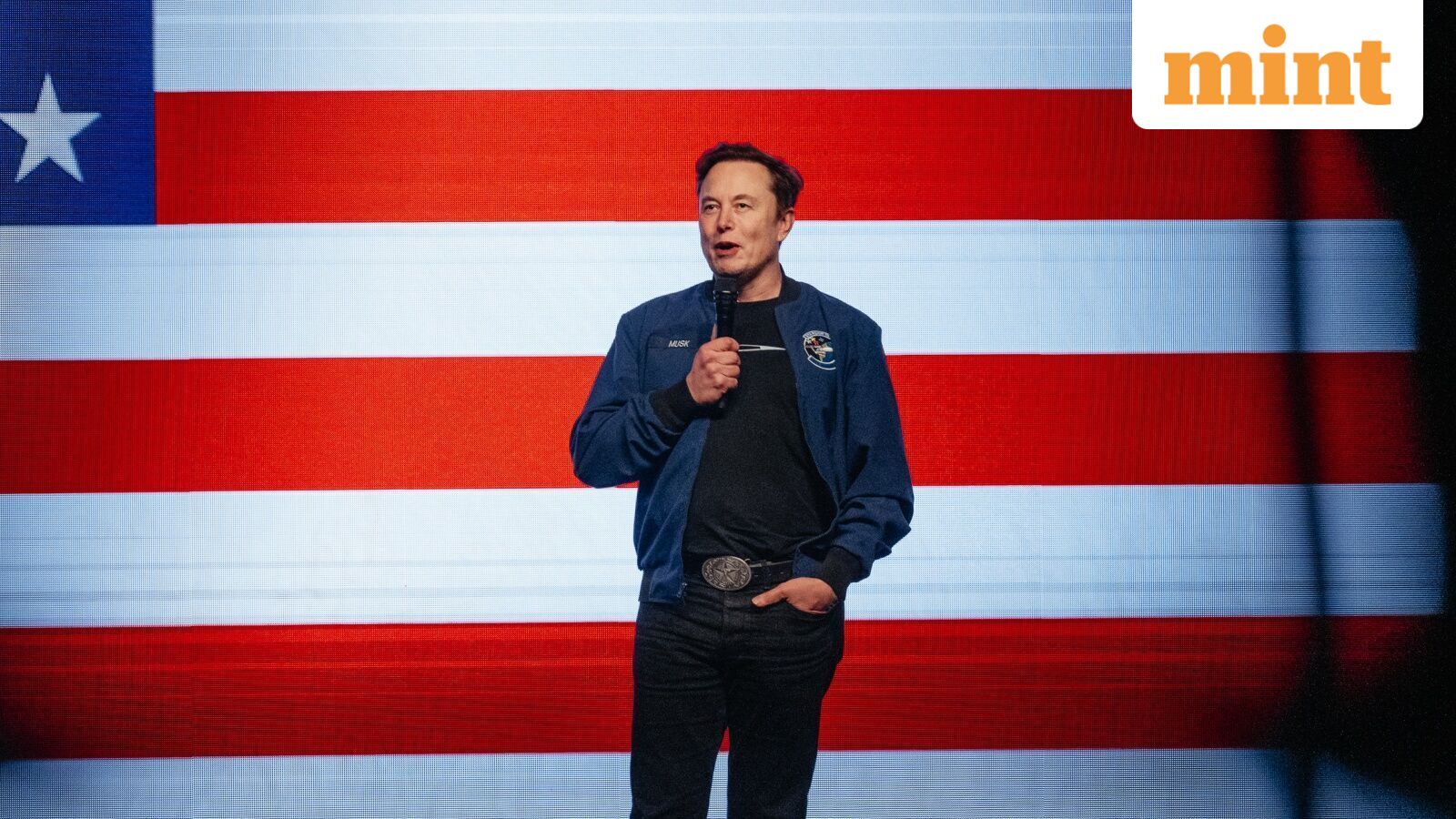
Elon Musk may have broken Wisconsin’s bribery law by promising voters $1 million payouts during Supreme Court election
Elon Musk Possibly Broke Wisconsin Bribery Law with $1M Voter Payouts in Supreme Court Election Alleged Election Bribery Claims Theindiapostdaily.com – Elon Musk may have broken Wisconsin’s bribery laws by…
Elon Musk Possibly Broke Wisconsin Bribery Law with $1M Voter Payouts in Supreme Court Election
Alleged Election Bribery Claims
Theindiapostdaily.com – Elon Musk may have broken Wisconsin’s bribery laws by offering $1 million to voters in the 2025 Supreme Court election, according to a bipartisan panel of investigators. The tech mogul, CEO of Tesla and X, allegedly promised financial incentives to influence the outcome of the high-stakes judicial race, which drew unprecedented attention for its scale and impact on state governance. The Wisconsin Elections Commission recently submitted two formal allegations against Musk to the Brown County district attorney’s office, setting the stage for potential criminal charges. These claims highlight concerns about the role of financial rewards in shaping electoral decisions and the potential for corruption in political campaigns.
“The commission found probable cause that Musk may have broken Wisconsin law by making a social media post offering $1 million to people who voted in the Supreme Court election ‘in order to induce them to vote in that election.'”
This accusation centers on Musk’s public announcement of a $1 million payout to voters who supported his preferred candidate. The post, which gained significant traction online, was interpreted by investigators as an explicit attempt to sway votes through material inducements. While the law in question defines bribery as offering something of value to secure a political action, the commission’s findings suggest that Musk’s promises could be classified as an illegal effort to manipulate voter behavior. Legal experts argue that the clarity of the payment’s purpose—directly tied to election outcomes—strengthens the case for bribery.
Political Strategy and Campaign Spending
The 2025 Supreme Court race became a focal point of Musk’s broader political strategy, which has included leveraging financial incentives to boost campaign fundraising and voter turnout. His America PAC distributed $1 million to three voters in a bid to secure their support for a candidate aligned with his vision for judicial reform. This move was part of a larger campaign that poured at least $20 million into efforts to shift control of the state’s highest court, including targeted outreach to key demographics. The surge in spending, which exceeded $100 million across the election, marked a historic milestone in judicial elections, raising questions about the influence of wealthy donors on public opinion.
Despite the massive financial investment, Musk’s chosen candidate, Brad Schimel, narrowly lost the race to Susan Crawford, a Democratic contender. The defeat preserved liberal control of the court, extending the majority to 5-2 after Chris Taylor’s recent victory. However, the $1 million payouts remain a contentious issue, with critics accusing Musk of using his vast resources to distort the democratic process. Supporters of the strategy argue that it was a legitimate attempt to engage voters and amplify political messaging in a highly competitive race.
Legal Implications and Charges
Prosecutors are now tasked with evaluating whether Musk’s actions constitute a violation of Wisconsin’s election laws. The state’s bribery statutes, which prohibit offering money to influence the outcome of an election, could apply here if the payments were deemed a direct inducement. The timing of the payouts—distributed at a rally just days before the vote—adds to the argument that they were strategically designed to sway undecided voters. Legal analysts note that the case could set a precedent for how social media is used to coordinate election-related financial incentives.
Elon Musk may have broken Wisconsin’s bribery law by promising $1 million payouts to voters, but the case also extends to other allegations. A separate lawsuit, filed by the Wisconsin Democracy Campaign, accuses Musk and two affiliated groups of engaging in unlawful conspiracies and public nuisances. The suit seeks to halt the practice of offering cash rewards for votes, citing potential long-term effects on electoral integrity. While Wisconsin Attorney General Josh Kaul initially tried to block the payments, his efforts were unsuccessful, allowing Musk to proceed with his strategy. The legal battle underscores the growing scrutiny of financial influence in elections.
Public Reaction and Political Impact
Public reaction to Musk’s payout scheme has been divided. Some voters view the financial incentive as a way to ensure their voices are heard, while others criticize it as a form of coercion. Political commentators note that the move could have amplified Musk’s influence in key swing counties, where the margin of victory was razor-thin. The Supreme Court election, which determines the ideological direction of the judiciary, has become a microcosm of broader debates about campaign finance reform and the role of tech billionaires in state politics.
Elon Musk may have broken Wisconsin’s bribery law by promising $1 million payouts, but the issue transcends a single election. The strategy reflects a trend of using direct financial rewards to bolster political campaigns, a practice that has sparked bipartisan concerns. As the legal proceedings unfold, the case will likely serve as a test of how modern political strategies are judged under traditional election laws. The outcome could shape future campaigns and influence how states regulate voter financing in high-profile races.
Context of the 2025 Supreme Court Election
The 2025 Supreme Court election in Wisconsin was characterized by intense competition and high stakes. With the state’s judiciary playing a critical role in shaping laws related to business regulations, environmental policies, and voting rights, the race attracted significant attention from both parties and media outlets. Musk’s involvement, while unconventional, added a new layer of complexity to the contest, as his promises of financial rewards drew comparisons to historical campaign tactics. The allegations against him underscore the evolving nature of political influence in the digital age, where social media can amplify campaign strategies in real-time.
Elon Musk may have broken Wisconsin’s bribery law by offering $1 million to voters, but the case also highlights the challenges of regulating political spending in a rapidly changing electoral landscape. The Wisconsin Elections Commission’s findings emphasize the importance of transparency in campaign finance, especially when large sums are involved. As the district attorney’s office reviews the evidence, the case could serve as a cautionary tale for candidates who use innovative methods to secure votes. The implications extend beyond Wisconsin, potentially influencing how other states approach similar allegations in the future.
Conclusion and Future Outlook
The ongoing investigation into Elon Musk may have broken Wisconsin’s bribery law by promising $1 million payouts could redefine the boundaries of acceptable political behavior. If the charges are upheld, Musk could face legal consequences that mirror broader debates about the influence of money in politics. Meanwhile, the 2025 Supreme Court race has demonstrated the power of financial incentives in shaping electoral outcomes. As the legal process continues, the case will be closely watched for its potential to impact future elections and the regulatory framework governing campaign finance.