‘Rancho’ Sonam Wangchuk to join Cockroach Janta Party’s ‘peaceful’ protest on June 6
‘Rancho’ Sonam Wangchuk to Join Cockroach Janta Party’s Peaceful Protest on June 6 Rancho Sonam Wangchuk to join Cockroach - Ladakh-based activist Sonam
‘Rancho’ Sonam Wangchuk to Join Cockroach Janta Party’s Peaceful Protest on June 6
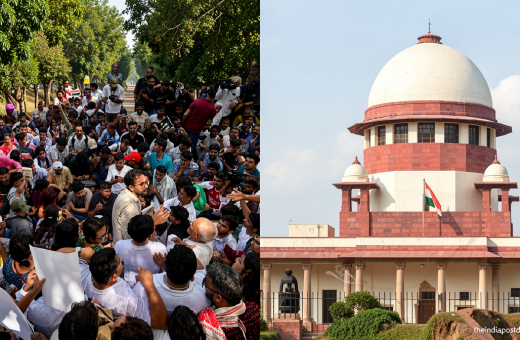
Theindiapostdaily.com – Ladakh-based activist Sonam Wangchuk has announced his participation in a significant protest organized by the satirical online group known as the Cockroach Janta Party (CJP). The event, scheduled for June 6 in Delhi, aims to pressure Education Minister Dharmendra Pradhan to resign due to recent controversies involving the Central Board of Secondary Education (CBSE) and the National Eligibility cum Entrance Test (NEET) exams. Wangchuk, who has long been a vocal advocate for educational reforms, has pledged his support to the movement, which has gained traction through social media platforms.
CJP’s Call for Accountability
Abhijeet Dipke, the founder of the Cockroach Janta Party, has been leading efforts to mobilize public opinion against the Education Minister. The protest, set for June 6, will take place at Jantar Mantar in New Delhi, a historic location for demonstrations. Dipke emphasized the importance of the event, stating that it represents a collective demand for transparency and accountability in the education sector. Despite the party’s humorous name, its message has resonated strongly with a growing number of young activists and educators.
The CJP’s initiative stems from the cancellation and rescheduling of the NEET-UG 2026 exams, which were reportedly affected by allegations of paper leaks and disputes over the CBSE’s re-evaluation process. These issues have sparked widespread frustration, leading to calls for the minister’s resignation. The movement has also highlighted concerns about the impact of such administrative lapses on the academic and professional futures of millions of students. As the protests intensify, the CJP’s role as a symbolic voice for dissent has become increasingly prominent.
Wangchuk’s Statement and Symbolism
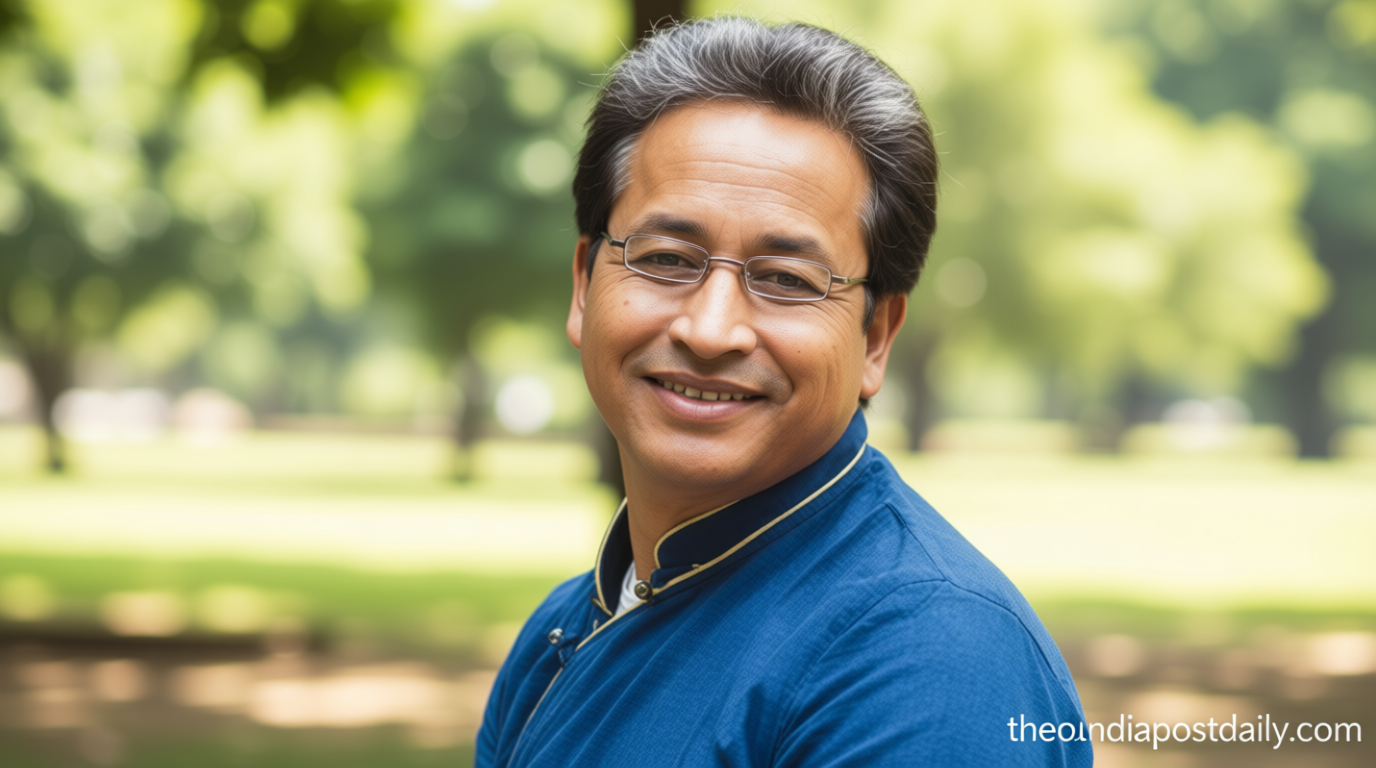
In a recent post on X, Wangchuk, who identifies as an “honorary cockroach,” expressed his determination to join the protest. His message, “IF NOT US, WHO? IF NOT NOW, WHEN!” underscores the urgency of the situation and the collective responsibility of citizens to hold leaders accountable. Wangchuk noted that if no progress is made by June 5, he will participate in the CJP’s rally in Delhi. He also criticized the minister, saying, “Any self-respecting Minister should resign if things go so wrong… Not to mention the effect on millions of young lives and in fact the future of India.” His decision to align with the CJP adds weight to the movement’s credibility, given his established reputation as an influential figure in Ladakh’s education sector.
Wangchuk’s endorsement of the CJP reflects a broader trend of public figures embracing the movement’s platform. The group, initially conceived as a lighthearted satire in response to Chief Justice of India Surya Kant’s remark comparing youth to cockroaches, has evolved into a serious campaign for reform. Its imagery of cockroaches—symbolizing resilience and adaptability—has become a rallying point for those critical of bureaucratic inefficiencies. The movement’s growing reach has prompted debates about the role of satire in shaping political discourse and amplifying student concerns.
Protest Context and Youth Mobilization
The NEET-UG 2026 controversy has placed the Education Minister in the public eye, with protests erupting in states such as Uttar Pradesh, Rajasthan, and Maharashtra. The CJP’s campaign claims that an online petition demanding Pradhan’s resignation has gathered 8 lakh signatures, highlighting the scale of public discontent. Dipke, who resides in the United States, has emphasized the need for youth involvement, urging them to exercise their constitutional rights to demand change. “I request the youth of India to join this peaceful protest at Jantar Mantar and exercise our constitutional right to seek accountability from the government,” he wrote in a post, framing the event as a pivotal moment for student empowerment.
While the CJP is not a traditional political party, its influence has grown rapidly. The group’s satirical approach has made it relatable to a younger audience, blending humor with a clear call to action. This strategy has allowed it to bypass conventional political channels and directly engage with the public. The protests, though peaceful, have also served as a platform to critique the government’s handling of educational reforms and its response to student grievances. By leveraging social media, the CJP has managed to sustain momentum and maintain visibility in a digital landscape dominated by rapid information exchange.
Backlash and Public Perception
The movement has not been without its challenges. Some critics have accused the CJP of receiving substantial foreign backing, particularly from Pakistan. In response, Dipke shared detailed analytics of the party’s social media presence, asserting that over 94% of its followers are Indian. “The majority of our audience comes from within the country,” he stated, dismissing claims of external influence. This defense aligns with the CJP’s broader narrative of self-reliance and grassroots activism, positioning it as a domestic force rather than an international one.
As the June 6 protest approaches, the CJP continues to rally support by emphasizing the urgency of the situation. The movement’s focus on issues like exam integrity, employment challenges, and government accountability has made it relevant to a wide audience. Wangchuk’s involvement is a testament to the CJP’s ability to bridge the gap between satire and serious political action. His presence adds a layer of legitimacy to the cause, drawing attention to the broader implications of the Education Minister’s decisions.
The Cockroach Janta Party’s journey from a jest to a movement underscores the power of digital platforms in shaping public opinion. Launched in May as a response to Surya Kant’s metaphor, it has since evolved into a symbol of resilience and defiance against bureaucratic stagnation. The group’s use of satire has not only made its message accessible but has also allowed it to critique the system without appearing overly confrontational. As protests grow in scale, the CJP’s role in amplifying student voices remains central to its mission.
With the June 6 rally marking a key moment in the campaign, the CJP is poised to demonstrate the strength of its movement. The event will serve as a platform to pressure the government into addressing the concerns of students and educators alike. Wangchuk’s participation, coupled with the movement’s widespread support, highlights the intersection of activism and satire in contemporary Indian politics. As the call for accountability intensifies, the CJP’s impact on public discourse is expected to expand further, leaving a lasting impression on the education sector and beyond.