‘Passport issued to regulate departure of Indian citizens’: MEA clarifies amid citizenship debate
MEA Clarifies Indian Passport's Role in Regulating Departure Amid Citizenship Debate Passport issued to regulate departure of Indian - The Ministry of
MEA Clarifies Indian Passport’s Role in Regulating Departure Amid Citizenship Debate
Theindiapostdaily.com – The Ministry of External Affairs (MEA) has clarified that the Indian passport is issued to regulate the departure of citizens from the country, emphasizing its primary function as a travel document rather than a definitive proof of citizenship. This clarification comes amid growing political discourse surrounding the issue, particularly as the Election Commission conducts a Special Intensive Revision (SIR) of electoral records in multiple states. The debate centers on whether passports should be considered as conclusive evidence of citizenship, with some officials suggesting that the document could be used to control who is eligible to vote and participate in the democratic process.
Legal Framework and Passport Issuance Process
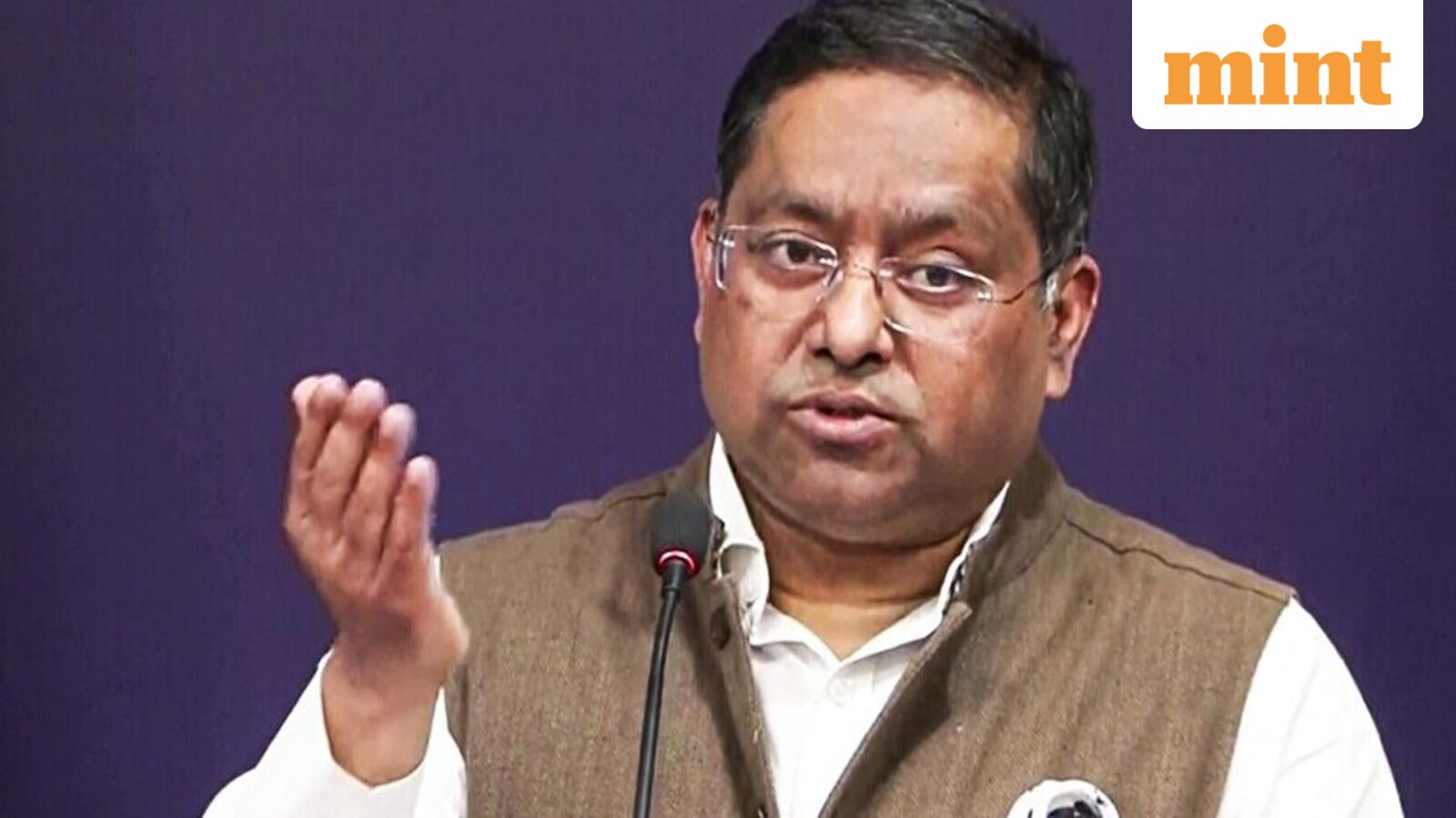
During a recent press briefing, MEA spokesperson Randhir Jaiswal reiterated that the passport issuance process is strictly governed by the Passports Act, 1967, and the Passports Rules, 1980. He explained that the document’s purpose is to regulate the departure of Indian citizens, ensuring that they can travel abroad while maintaining their legal status as residents of the country. “The Indian passport is a travel document, not a citizenship certificate,” Jaiswal emphasized, addressing concerns raised by some political parties that the government might be using the passport system to influence voter eligibility.
“The Government of India issues passports to regulate the departure of Indian citizens, which is a statutory obligation under the Passports Act,” Jaiswal stated. “This process involves rigorous verification to ensure that the holder is a genuine citizen.”
The MEA highlighted that the passport is not a standalone proof of citizenship but rather a tool for managing the movement of individuals across borders. This aligns with the broader legal framework that treats citizenship as a separate entity from travel documentation. The spokesperson also noted that the current focus of the passport system is on facilitating international travel, not on determining or restricting citizenship rights.
Passport Debate Tied to Electoral Roll Review
The SIR exercise, which aims to clean up the electoral rolls by verifying voter identities, has sparked renewed interest in the role of passports in citizenship validation. Some political groups have argued that the government could use the passport as a means to deny citizenship to certain individuals, particularly those from minority communities or regions with disputed claims. In response, the MEA reaffirmed its position that the document is only issued to Indian citizens after thorough verification, ensuring that it remains a tool for regulating departure rather than a means of controlling nationality.
“Passports are issued based on the legal definition of an Indian citizen, not as a means to restrict or redefine citizenship,” Jaiswal clarified. “The SIR process is about verifying voter eligibility, not about altering the status of citizens.”
The government has also pointed out that less than 8% of Indian citizens currently hold passports, underscoring the limited scope of the document in relation to the entire population. This statistic supports the MEA’s argument that passports are not a universal identifier of citizenship but rather a specific administrative tool. The discussion has intensified as the Election Commission reviews the criteria for voter eligibility, with some parties questioning the fairness of using passports as a proxy for citizenship in this process.
Political Implications and Public Concerns
As the debate continues, political leaders and citizens alike are scrutinizing the potential implications of the MEA’s stance. Critics argue that if passports are not definitive proof of citizenship, then the government could face challenges in maintaining accurate electoral records. Conversely, supporters of the MEA’s position highlight the importance of distinguishing between travel documents and legal status to prevent misuse of the passport system. This distinction is crucial for ensuring that the right to vote is not contingent on the possession of a passport, which could lead to exclusion of certain communities from the political process.
“The passport is a tool for managing travel, not for dictating citizenship. If we equate the two, we risk creating a system where people can be denied their rights based on administrative convenience,” said a senior Congress official. “This needs to be addressed before the SIR exercise proceeds.”
The MEA’s clarification is seen as a strategic move to align the passport system with the legal framework of citizenship, which is governed by the Citizenship Act, 1955. By emphasizing the document’s role in regulating departure, the ministry aims to reassure the public that the passport is not being used as a political instrument. However, the debate underscores the need for transparency in how citizenship is defined and applied, particularly in the context of an electoral review that could impact millions of voters.
Historical Context and Reforms
The current debate is not the first time the role of passports in citizenship has been questioned. Historically, the document has been used to verify the identity of citizens for various purposes, including travel and employment. However, the SIR exercise has brought renewed attention to the potential for passports to influence voter eligibility, leading to calls for a re-evaluation of the process. The MEA’s stance reinforces the need for clear legal definitions to prevent any ambiguity in how citizenship is determined and documented.
“The Passports Act, 1967, and the Citizenship Act, 1955, are separate but complementary laws. The passport is meant to regulate departure, while the Citizenship Act governs who qualifies as an Indian citizen,” Jaiswal explained. “This distinction is essential for maintaining the integrity of both systems.”
Experts suggest that while the MEA has made its position clear, the debate highlights the broader issue of how administrative processes can intersect with democratic institutions. Ensuring that the passport system remains focused on its intended purpose—regulating departure—while allowing the Citizenship Act to define legal status is critical for preventing any unintended consequences in the electoral process. As the SIR continues, the government faces the challenge of balancing administrative efficiency with the principles of inclusive citizenship.