‘Life of any citizen…’: Delhi HC orders Centre, state govt to monitor Sonam Wangchuk’s health as fast enters 18th day
Delhi HC Orders Central and State Governments to Monitor Sonam Wangchuk's Health as Hunger Strike Enters 18th Day Life of any citizen - Delhi High Court has
Delhi HC Orders Central and State Governments to Monitor Sonam Wangchuk’s Health as Hunger Strike Enters 18th Day
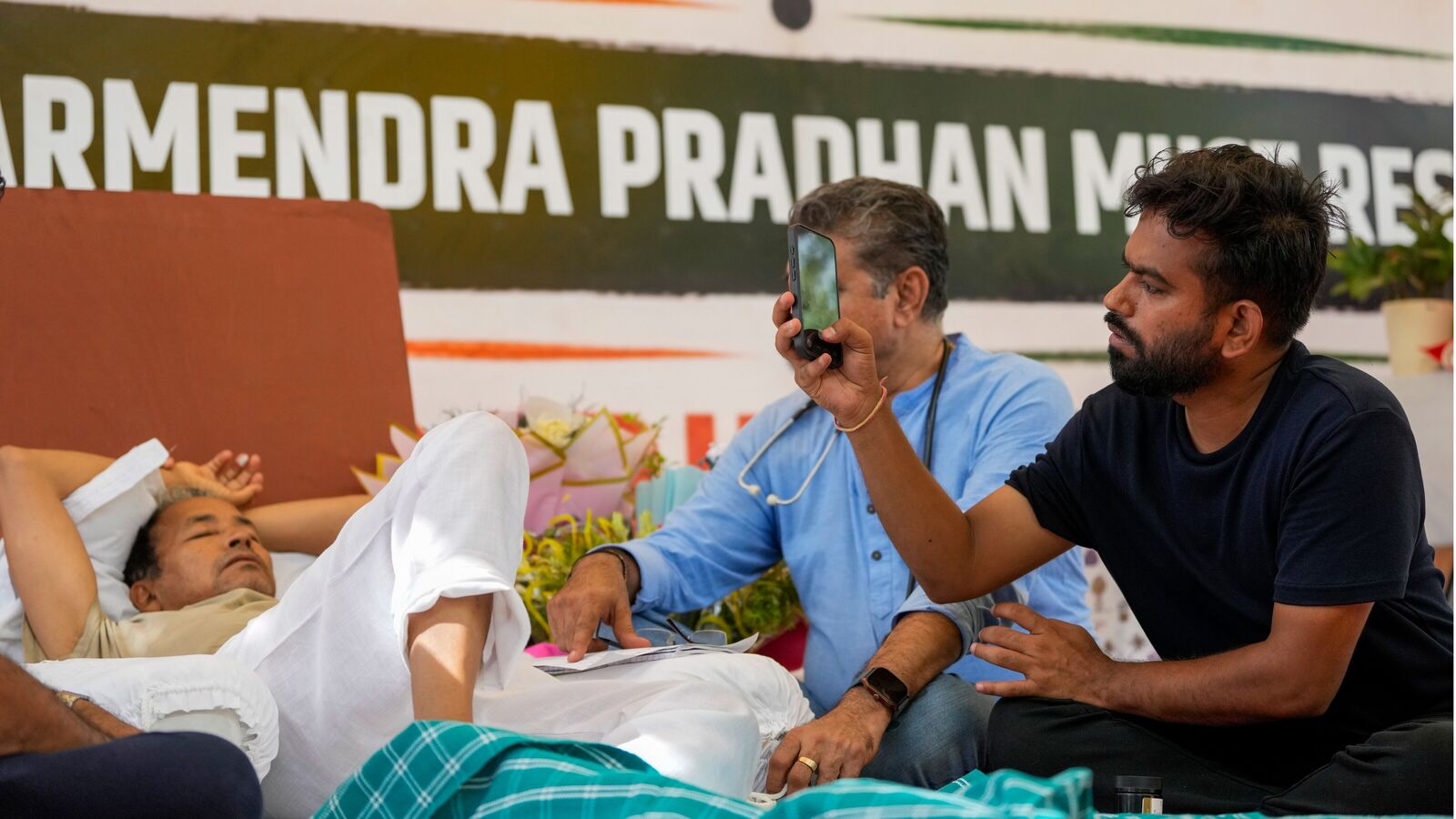
Theindiapostdaily.com – Delhi High Court has directed both the central and Delhi state governments to closely monitor the health of activist Sonam Wangchuk, emphasizing the “life of any citizen” as a core concern. The court’s order comes as Wangchuk’s hunger strike, which began on 28 June, reaches its 18th day, with his health deteriorating amid demands for the resignation of Education Minister Dharmendra Pradhan following the recent leak of NEET-UG question papers. The directive underscores the judiciary’s commitment to ensuring the well-being of individuals involved in public protests, particularly those challenging administrative decisions.
Legal Context and Public Interest Litigation
The ruling follows a public interest litigation (PIL) filed by advocates representing Wangchuk, who has been leading protests against the central government’s handling of examination reforms. The PIL argued that the government had not provided adequate medical support, despite labeling him as a terrorist. Legal representatives highlighted the risks of prolonged fasting, stressing that the “life of any citizen” must be prioritized in such circumstances. The court’s decision to mandate daily health checks reflects growing pressure on authorities to address the welfare of protesters.
Chief Justice Devendra Kumar Upadhyaya and Justice Tejas Karia, in their bench’s ruling, emphasized that the government must take proactive measures to prevent health complications. They directed that medical teams should conduct regular assessments and be prepared to intervene if necessary. The court’s focus on Wangchuk’s condition also draws attention to the broader implications of his protest, which has become a symbol of citizen dissent against perceived governmental negligence.
“The Delhi High Court has reiterated that the ‘life of any citizen’ is a fundamental right that cannot be compromised, even in the face of political or administrative disputes. The bench highlighted the urgency of monitoring Wangchuk’s health, given the risks associated with a 19-day fast, and urged the governments to demonstrate transparency and accountability in their response.”
Medical Updates and Health Deterioration
As the hunger strike enters its critical phase, medical experts have raised alarms about Wangchuk’s deteriorating condition. According to his attending physician, Dr. Satish Lamba, the activist has lost over 9 kg in weight, with blood sugar levels dropping to 80 mg/dL. His pulse remains stable at 72 beats per minute, but blood pressure readings have shown a concerning decline, reaching 105/61 mmHg when lying down and 101/65 mmHg when sitting. These metrics indicate a shift from fat and muscle breakdown to a more severe stage of metabolic stress.
The medical team has warned that Wangchuk’s body is now entering the second stage of prolonged starvation, marked by elevated uric acid levels. This stage signals the breakdown of muscle tissue, increasing the risk of multi-organ complications. Dr. Lamba urged authorities to adopt a “wait and watch” approach while maintaining constant vigilance, emphasizing that any delay in intervention could lead to irreversible health damage. The court’s directive aligns with these medical concerns, ensuring that Wangchuk’s condition is tracked closely.
“The court’s decision to mandate daily health checks is a clear response to the growing concerns about the ‘life of any citizen’ being jeopardized by the hunger strike. With the ‘life of any citizen’ at stake, the judiciary is stepping in to ensure that both the central and Delhi governments fulfill their responsibilities to protect the individual’s well-being during this critical period.”
Wangchuk’s protest has drawn widespread attention, with citizens and activists expressing solidarity. The Cockroach Janta Party (CJP), which has been leading the demonstrations, reiterated its call for the resignation of Education Minister Dharmendra Pradhan, citing the leak of NEET-UG question papers as a key trigger. The party also urged the government to engage in dialogue with protesters, emphasizing that the “life of any citizen” should not be sacrificed in the pursuit of administrative goals. Public support for Wangchuk’s cause has surged, with social media platforms flooded with messages advocating for his health and the right to protest.