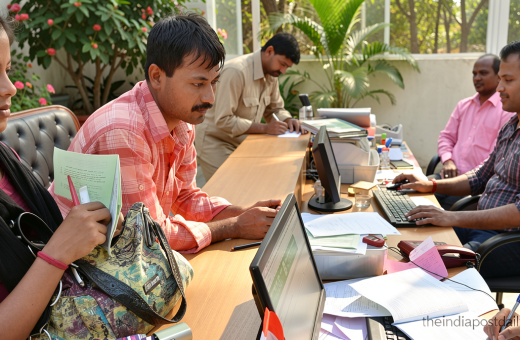
Jal Shakti ministry, ISRO sign pact; launch new water conservation, research initiatives
Jal Shakti Ministry and ISRO Collaborate on Water Management Initiatives Theindiapostdaily.com – On Monday, the Ministry of Jal Shakti and the Indian Space Research Organisation (ISRO) finalized a partnership agreement…
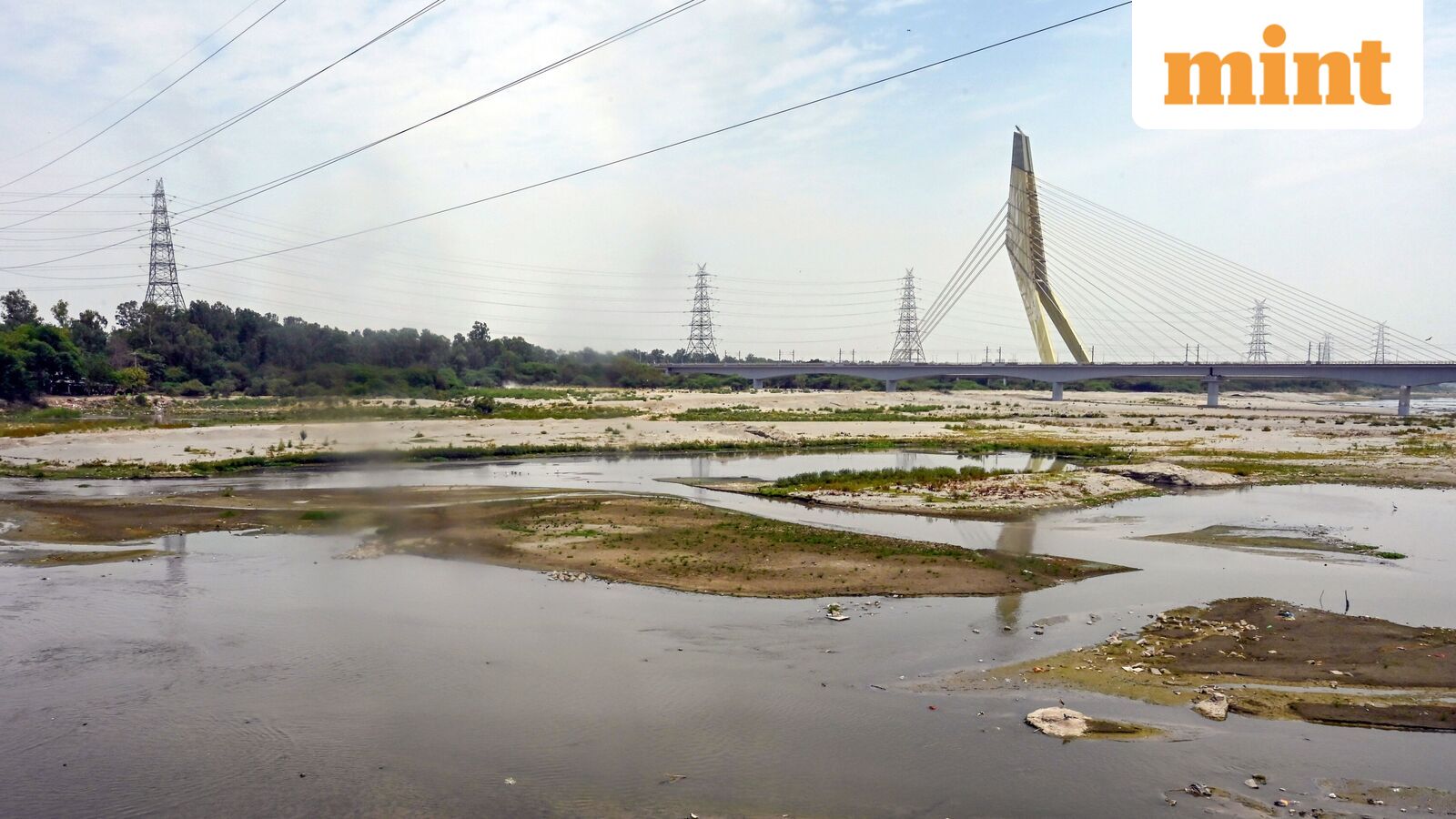
Jal Shakti Ministry and ISRO Collaborate on Water Management Initiatives
Theindiapostdaily.com – On Monday, the Ministry of Jal Shakti and the Indian Space Research Organisation (ISRO) finalized a partnership agreement to leverage satellite technology and space-based solutions for improving water resource management across India. This initiative marks a significant step toward integrating advanced scientific tools with practical conservation efforts. The MoU outlines a joint commitment to explore innovative approaches that address the nation’s water challenges through technological advancements and collaborative research.
Alongside the agreement, the ministry launched a new water research mission, offering financial backing of up to ₹20 crore for each project. This mission aims to foster scientific innovation and practical implementation in water-related areas. Additionally, the third phase of the Jal Sanchay Jan Bhagidari (JSJB) campaign was unveiled, setting an ambitious goal of constructing two crore water conservation structures by May 2027. According to PTI, the campaign’s expansion will further solidify community-driven initiatives in water preservation.
The MoU signing took place during a national workshop on research and development in the water sector, hosted at the Dr Ambedkar International Centre. This event brought together experts and stakeholders to discuss the future of water management. Under the agreement, the Department of Water Resources and ISRO will focus on 24 critical research areas, such as reservoir monitoring, river flow analysis, and satellite-based water quality assessments. The collaboration also includes studies on macroplastic distribution in water bodies, highlighting the need for comprehensive environmental data.
“Water security is pivotal for achieving Viksit Bharat by 2047,” stated Union Jal Shakti Minister CR Patil. “We must address water-related issues through technology, innovation, traditional knowledge, and public involvement.” Patil emphasized the importance of integrating diverse strategies to ensure sustainable water management. He also noted that the ministry has supported 315 research studies over the past decade, including 113 directly funded projects, which have delivered tangible solutions for water challenges.
ISRO Chairman and Department of Space Secretary V Narayanan highlighted the potential of space technology in water management. “Satellite systems provide unparalleled capabilities for observing, assessing, forecasting, and managing water resources,” he said. The partnership will focus on groundwater assessment, flood prediction, and monitoring water resources, building on a longstanding collaboration dating back to 1982. Narayanan expressed confidence that the synergy between ISRO and the water sector will lead to more efficient and integrated solutions.
The Jal Sanchay Jan Bhagidari campaign, now entering its third phase, aims to create two crore water conservation structures between June 2026 and May 2027. Minister Patil shared that the first phase exceeded its target of 10 lakh structures, reaching 27.5 lakh, while the second phase, launched in June 2025, surpassed one crore structures against a goal of one crore. This progress underscores the campaign’s effectiveness in mobilizing grassroots participation for conservation.
To support these efforts, the ministry introduced the ‘JSJB-Catch the Rain’ portal. This platform will enable district administrations to track and validate the creation of water conservation structures nationwide. The portal is part of a nationwide initiative designed to strengthen community-led efforts by engaging citizens, industries, NGOs, and government agencies. Patil reiterated that geospatial technologies and partnerships are essential for achieving scientific water management and sustainable resource use.
Expanding Research and Innovation Opportunities
The workshop also marked the launch of the Mission for Advancement in High Impact Areas (MAHA)-Water programme, a collaborative effort between the Jal Shakti Ministry and the Anusandhan National Research Foundation (ANRF). This programme seeks to accelerate research into actionable solutions for water management. ANRF CEO Shivkumar Kalyanaraman explained that the initiative is designed to move technologies from concept to real-world application, emphasizing measurable outcomes.
“Our goal is to ensure that research doesn’t stall at the early stages. We want it to reach the implementation phase,” said Kalyanaraman. The MAHA-Water programme will support multi-institutional projects involving universities, laboratories, startups, and industry partners, fostering interdisciplinary innovation. It aims to address pressing issues like groundwater depletion and flood management through collective expertise.
Complementing this, the Bharat Water Innovation Network (Bharat WIN) launched an open call for startups and small and medium enterprises (MSMEs) to contribute to water-related solutions. This platform encourages entrepreneurship and innovation, enabling the development of scalable technologies for water conservation. The combination of these initiatives highlights the ministry’s commitment to fostering a robust ecosystem for water research and sustainable practices.
Minister Patil stressed that the success of the JSJB campaign relies on the active participation of all sectors. “This is not just the ministry’s responsibility—it’s a shared endeavor,” he noted. The campaign’s third phase is expected to expand its reach, ensuring that conservation efforts are both widespread and impactful. The integration of digital tools like the ‘Catch the Rain’ portal further streamlines verification and documentation, enhancing transparency and accountability.
Narayanan added that the collaboration with the Jal Shakti Ministry will deepen the application of space-based technologies in managing water resources. “Satellites can serve multiple purposes in monitoring groundwater and predicting floods,” he explained. The union of ISRO’s technical capabilities with the ministry’s grassroots initiatives is poised to create a holistic approach to water sustainability. This partnership will also focus on developing tools for assessing water spread and quality, ensuring data-driven decisions for resource allocation.
With the signing of the MoU, the Jal Shakti Ministry and ISRO have set a new benchmark for innovative water management. The initiative not only strengthens existing research efforts but also introduces new programs that bridge technology with community action. As Patil and Narayanan underscored, these collaborations are essential for meeting the nation’s water needs and achieving long-term sustainability. The expansion of the JSJB campaign and the launch of the MAHA-Water programme reflect a proactive strategy to address water challenges through integrated and scalable solutions.