India, UK step up efforts to operationalize trade pact
India, UK Intensify Collaboration to Operationalize Trade Pact Theindiapostdaily.com – As global economic landscapes shift, India and the United Kingdom are intensifying their collaboration to bring the Comprehensive Economic and…
India, UK Intensify Collaboration to Operationalize Trade Pact
Theindiapostdaily.com – As global economic landscapes shift, India and the United Kingdom are intensifying their collaboration to bring the Comprehensive Economic and Trade Agreement (CETA) into effect. The two nations recently convened to evaluate the progress made in implementing the pact, with high-level discussions between key officials aimed at accelerating its execution and expanding bilateral economic ties. This initiative underscores the growing importance of the India-UK partnership in a rapidly evolving trade environment.
Key Discussions on Implementation
During the meeting, India’s Commerce Secretary, Rajesh Agrawal, engaged in detailed talks with Amanda Brooks, the UK’s Permanent Secretary. The conversation centered on assessing the current status of CETA’s implementation, resolving obstacles, and exploring innovative strategies to enhance the agreement’s effectiveness. Agrawal emphasized the need for sustained momentum, stating, “We engaged in extensive discussions with UK permanent secretary Ms. Amanda Brooks on #IndiaUKCETA implementation. Took stock of progress and worked through the sticking points, while exploring new pathways under #IndiaUKCETA,” as shared in a recent post on X.
“We engaged in extensive discussions with UK permanent secretary Ms. Amanda Brooks on #IndiaUKCETA implementation. Took stock of progress and worked through the sticking points, while exploring new pathways under #IndiaUKCETA,” Agrawal said in a post on X.
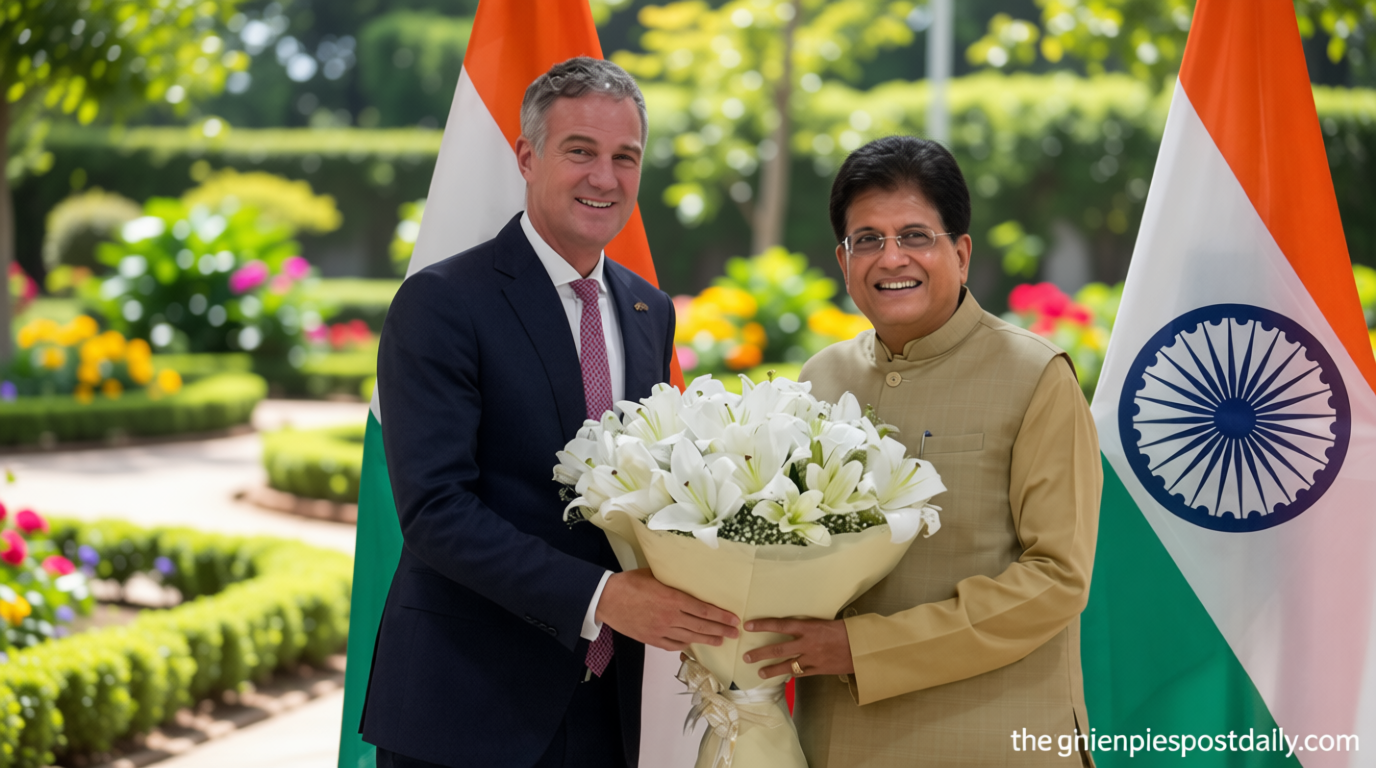
The dialogue coincided with the visit of Peter Kyle, the UK’s Secretary of State for Business and Trade, to New Delhi. His mission included meeting India’s Commerce and Industry Minister, Piyush Goyal, to advance the next phase of the bilateral trade relationship. The existing trade volume between the two nations stands at £48 billion annually, and the agreement is seen as a means to further elevate this figure.
“Had great conversations on charting the next phase of India-UK economic engagement, advancing shared business priorities, and further strengthening our robust and forward-looking partnership,” Goyal stated in a post on X.
Goyal highlighted the discussions’ focus on identifying emerging areas for cooperation, such as technology, renewable energy, and supply chain optimization. The minister’s comments reflect the strategic intent to build on existing strengths while addressing new opportunities. Kyle, meanwhile, reiterated the UK government’s commitment to operationalizing the trade pact “as quickly as possible,” a priority that aligns with both countries’ broader economic goals.
Global Context and Strategic Priorities
The urgency to finalize CETA is heightened by ongoing global economic challenges, including the persistent blockade of the Strait of Hormuz. This geopolitical bottleneck has disrupted oil flows, contributing to inflationary pressures and affecting trade dynamics. For India and the UK, the agreement symbolizes a resilient response to such disruptions, offering a stable framework for commerce amid uncertainty.
According to UK officials, the Free Trade Agreement is not only a commercial opportunity but also a strategic tool to diversify supply chains and reduce dependence on single trade routes. The UK government has emphasized that the pact’s implementation could unlock significant economic potential, particularly in sectors like manufacturing, services, and digital trade. Agrawal echoed this sentiment, noting that both sides are exploring additional avenues of cooperation under the agreement.
“Reaffirmed commitment to regular engagement with UK government trade authorities for effective implementation,” Agrawal said.
The partnership between India and the UK is viewed as a cornerstone of their economic diplomacy. With the agreement signed in July 2025, it represents a milestone in their efforts to deepen ties through structured trade frameworks. The UK government estimates that the deal could increase annual bilateral trade by £25.5 billion, a figure that highlights its transformative potential. Furthermore, long-term GDP growth in both countries is projected to rise by nearly £5 billion each, reinforcing the pact’s value beyond immediate economic gains.
Preparing for the Agreement’s Entry into Force
Kyle’s visit also included meetings with prominent Indian and British industry leaders, aimed at preparing businesses for the agreement’s anticipated entry into force. These sessions were designed to address concerns, outline benefits, and ensure that stakeholders are ready to capitalize on new market opportunities. The UK government has actively promoted the agreement as a landmark deal, emphasizing its role in fostering innovation and competitiveness.
India’s Ministry of Commerce has been working closely with UK counterparts to streamline administrative procedures and resolve lingering issues, such as tariff reductions and regulatory harmonization. Agrawal noted that the discussions have laid the groundwork for a more integrated trade relationship, with both nations pledging to maintain regular communication. This ongoing engagement is critical to addressing the complexities of cross-border trade and ensuring the agreement’s successful execution.
Analysts suggest that CETA could serve as a catalyst for India’s integration into global value chains, particularly in the context of the UK’s post-Brexit trade strategy. The agreement also aligns with India’s goal of enhancing its trade partnerships with developed economies, complementing existing deals with countries like the US and the EU. By accelerating CETA’s operationalization, both nations aim to solidify their position as key players in international trade.
Economic Impact and Future Outlook
The anticipated economic benefits of the India-UK trade pact have sparked optimism among policymakers and industry experts. Increased trade volumes are expected to stimulate investment, create jobs, and enhance consumer access to a wider range of goods and services. The UK government has framed the agreement as a vital step in strengthening its economic ties with India, a market known for its growing demand and industrial potential.
Moreover, the pact is seen as a strategic move to counterbalance trade imbalances and mitigate risks posed by global supply chain disruptions. By fostering closer collaboration, India and the UK can enhance their ability to navigate economic challenges and seize opportunities in a fragmented world. The successful implementation of CETA would also set a precedent for future trade agreements, demonstrating the efficacy of bilateral cooperation in driving economic growth.
As the two nations move forward, the focus remains on translating discussions into actionable steps. With the agreement’s potential to boost trade and GDP, the road to operationalization requires continued effort and alignment of priorities. The recent meetings mark a significant phase in this journey, highlighting the shared vision of a stronger, more integrated India-UK economic partnership.