Don’t deploy Indian seafarers on vessels undertaking voyages through Strait of Hormuz, India tells shipping companies
India Halts Deployment of Seafarers on Hormuz-Voyage Ships Amid Rising Threats Theindiapostdaily.com – India has issued a directive to shipping companies, advising them to avoid deploying Indian seafarers on vessels…
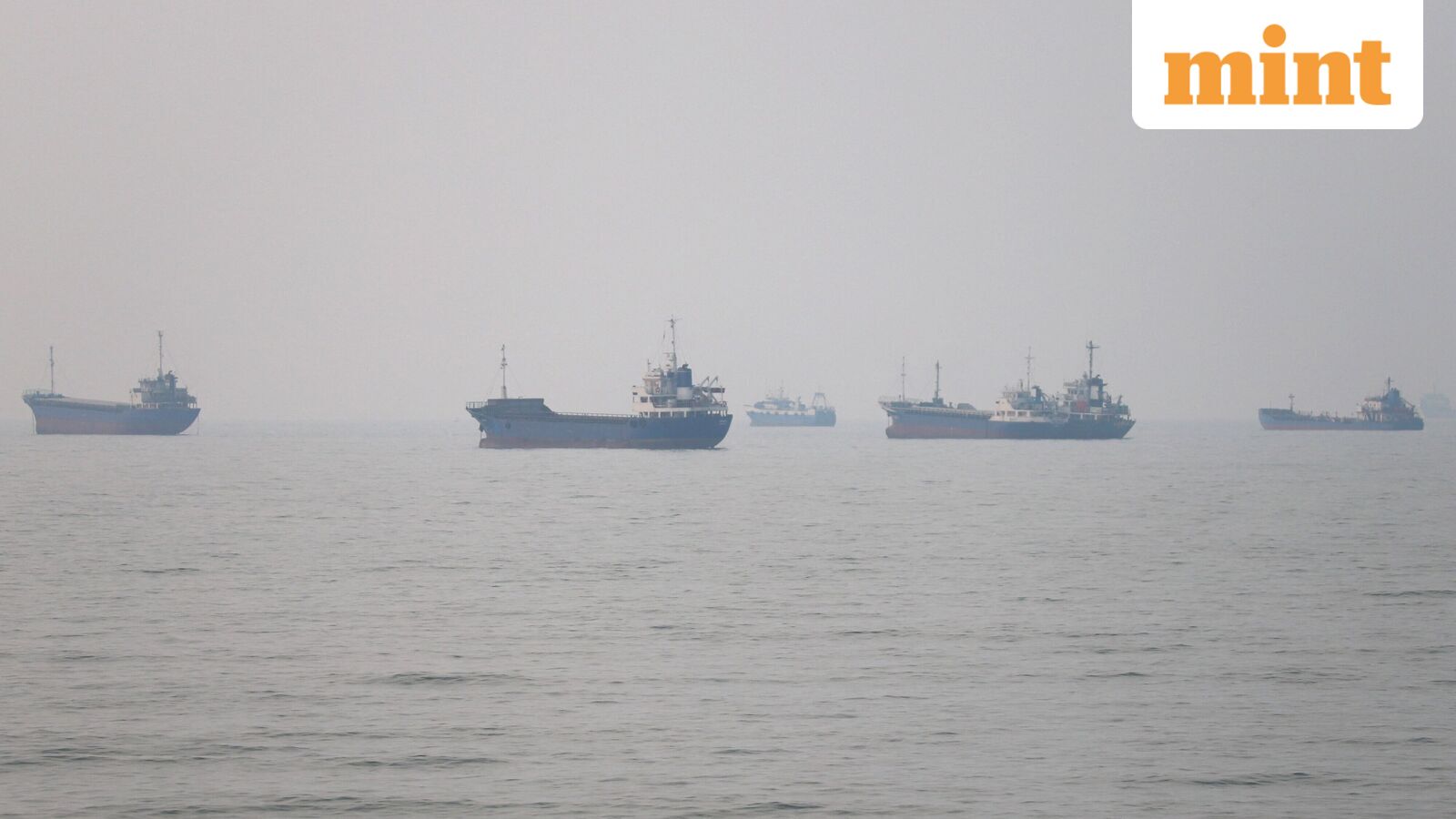
India Halts Deployment of Seafarers on Hormuz-Voyage Ships Amid Rising Threats
Theindiapostdaily.com – India has issued a directive to shipping companies, advising them to avoid deploying Indian seafarers on vessels navigating through the Strait of Hormuz due to escalating security risks. This precautionary measure, outlined by the Directorate General of Shipping, follows a series of attacks targeting commercial ships in the region, which has intensified tensions between the United States and Iran. The move aims to protect Indian crew members from potential threats, as the Persian Gulf continues to experience heightened military activity and strategic confrontations.
Enhanced Security Protocols for Maritime Operators
As part of the directive, India has mandated the implementation of stricter security measures for all maritime operators. The guidelines emphasize the importance of real-time monitoring of security alerts and the integration of advanced safety protocols such as the International Ship and Port Facility Security (ISPS) Code. Additionally, shipping companies are required to maintain direct communication with the International Fleet Communication – Indian Ocean Region (IFC-IOR) and the Maritime Monitoring and Data Analysis Centre (MMDAC) during emergencies. This proactive approach ensures that Indian seafarers are not left vulnerable in the high-risk zone.
India’s maritime authorities have also urged recruitment agencies to assess the safety of vessels before assigning crew members. The directive highlights the need for a coordinated response to mitigate risks, with a focus on ensuring that Indian seafarers are not exposed to hostile actions. By emphasizing the urgency of the situation, the government aims to secure the livelihoods of thousands of workers who are vital to the country’s maritime industry.
Recent Attacks and Casualties in the Hormuz Region
In the past three days, two Indian seafarers have been killed in attacks on ships operating near the Strait of Hormuz, according to recent reports. On Tuesday, Iranian cruise missiles struck two Emirati oil tankers, the Mombasa B and Al Bahyah, which were part of ADNOC L&S’s fleet. The attacks caused “significant damage” and left one crew member dead, with eight others injured. This marks the latest incident in a string of assaults targeting commercial vessels in the region, raising concerns about the safety of Indian sailors.
The Islamic Revolutionary Guard Corps (IRGC) confirmed the strikes, stating that the vessels had ignored warnings and followed a mined route. The IRGC’s report claimed the ships were “offending” in their operations, justifying the attacks. These incidents have underscored the dangers faced by seafarers in the conflict zone, prompting calls for immediate action to safeguard Indian workers. The focus keyword “Don’t deploy Indian seafarers” is central to the directive, which seeks to minimize exposure to hostile environments.
India’s Role in the Global Seafaring Workforce
India is the second-largest contributor to the global seafaring workforce, with over 310,000 Indian crew members employed on merchant ships worldwide. This vast network of skilled workers plays a crucial role in international trade, particularly in regions like the Middle East and Asia. The Strait of Hormuz, a key chokepoint for global oil shipments, has become a focal point of maritime security concerns, impacting the safety of these vital workers.
The Indian government’s decision reflects growing anxiety about the vulnerability of its seafarers in the region. With the US and Iran engaged in a tense standoff, the risk of attacks on commercial vessels has increased significantly. The directive serves as a precautionary step to protect Indian workers while the situation remains volatile. Additionally, it highlights the country’s commitment to ensuring the safety of its labor force in global trade operations.
FSUI Urges Immediate Government Intervention
The Forward Seamen’s Union of India (FSUI) has called for urgent government action to address the escalating risks faced by Indian seafarers. In a letter to Prime Minister Narendra Modi, the union emphasized the need for a formal protest to the United Nations regarding the loss of lives in the conflict zone. It also demanded an independent international investigation to determine the cause of the attacks and hold accountable those responsible.
Among the key demands, the FSUI urged the government to provide $5 million in compensation to each affected family, recognizing the financial burden of such incidents. The union also called for the enhancement of safety protocols to better protect seafarers. “Dozens of Indian lives have been lost due to deliberate strikes on civilian ships. Seafarers are not just collateral damage—they are targets,” FSUI stated, underscoring the severity of the situation and the need for immediate support.
Global Implications and Future Steps
The decision to withhold Indian seafarers from Hormuz-bound voyages has broader implications for the global shipping industry. With India being a major supplier of maritime labor, the directive may affect the availability of crew members for critical routes, potentially disrupting supply chains and increasing operational costs for shipping companies. The move also signals India’s willingness to take a proactive stance in ensuring the safety of its workers amid regional instability.
As the conflict in the Persian Gulf continues, India is expected to monitor the situation closely and adjust its strategies accordingly. The government may also collaborate with international partners to enhance maritime security measures. By prioritizing the safety of Indian seafarers, the directive aims to balance the economic importance of the shipping industry with the need to protect human lives in high-risk zones. The focus keyword “Don’t deploy Indian seafarers” remains a key element of this strategy, reflecting the government’s emphasis on prevention and precaution.