Diesel-isobutanol blending mandate likely this year: What it means and how it impacts India’s energy security—explained
India to Implement Diesel-Isobutanol Blending Mandate This Year Theindiapostdaily.com – India is set to introduce a diesel isobutanol blending mandate likely this year, marking a significant step toward diversifying its…
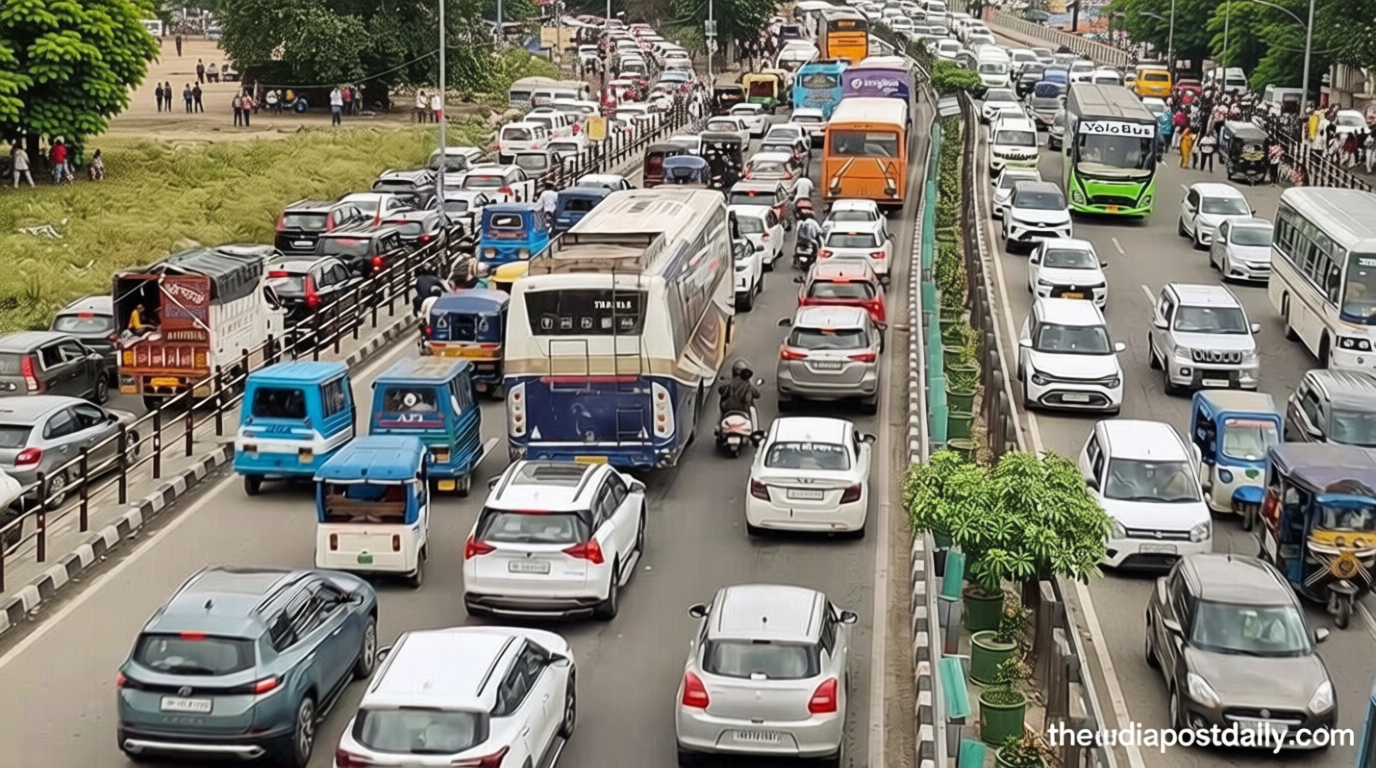
India to Implement Diesel-Isobutanol Blending Mandate This Year
Theindiapostdaily.com – India is set to introduce a diesel isobutanol blending mandate likely this year, marking a significant step toward diversifying its fuel portfolio and enhancing energy security. The decision, made by Road Transport and Highways Secretary V Umashankar, aims to reduce the country’s dependence on fossil fuels by incorporating isobutanol—a renewable alternative—into diesel. This shift could have a more profound impact on energy independence than ethanol blending in petrol, as diesel accounts for nearly double the volume of petrol consumption in the nation.
At the CII Multimodal Transportation and Logistics Summit, Umashankar underscored the strategic importance of the mandate. “This initiative supports decarbonization efforts in transportation and minimizes reliance on traditional fossil fuels,” he stated. The ministry is also working on a draft notification for truck-trailer interchangeability, which would facilitate the adoption of battery swapping and recharging systems for heavy-duty vehicles. These measures are expected to modernize logistics and promote sustainable practices within the transport sector.
“Blending of diesel has been thoroughly analyzed. Bharat Petroleum is conducting strategic research on isobutanol-diesel combinations, with encouraging results,” Umashankar added.
The introduction of the diesel isobutanol blending mandate likely this year is a critical move in addressing India’s energy vulnerability. Diesel’s unique properties make it more sensitive to changes in fuel composition, particularly in older engines. While petrol engines have adapted to ethanol blends with minimal issues, diesel engines require a more stable alternative. Isobutanol, with its superior compatibility, offers a solution that could transform the country’s fuel landscape without compromising performance.
India’s long-term strategy to diversify its energy mix includes initiatives like ethanol blending, which has steadily grown over the past decade. However, the diesel isobutanol blending mandate likely this year represents a more ambitious goal. It targets specific challenges ethanol cannot overcome, such as lower energy content and phase separation risks in cold climates. Isobutanol’s higher flash point also improves safety during storage and transport, making it a reliable substitute for fossil fuels.
Understanding Isobutanol: A Versatile Biofuel
Isobutanol, a four-carbon alcohol, is gaining attention as a sustainable biofuel. Unlike ethanol, which has only two carbon atoms, isobutanol offers a higher energy density, making it more efficient for diesel engines. This characteristic is crucial, as diesel engines rely on consistent fuel performance. The fuel’s ability to blend seamlessly with existing infrastructure further simplifies its implementation, reducing the need for costly modifications.
Produced from renewable sources such as agricultural waste and biomass, isobutanol can also be derived from ethanol or sugarcane processes. This flexibility ensures a steady supply, addressing concerns about feedstock availability. Its lower volatility compared to ethanol reduces the risk of flammable vapors, enhancing safety in fuel storage and transportation. These attributes make isobutanol a compelling alternative for reducing greenhouse gas emissions while maintaining engine efficiency.
Advantages of the Diesel Isobutanol Blending Mandate
The diesel isobutanol blending mandate likely this year highlights the benefits of adopting a more stable and compatible biofuel. Isobutanol’s higher energy output ensures vehicles using the blend can maintain performance levels similar to conventional diesel. This is particularly important for India’s transportation sector, where diesel powers a significant portion of commercial vehicles. The mandate also minimizes wear on existing infrastructure, as isobutanol is less corrosive than ethanol.
By prioritizing isobutanol over ethanol in diesel blends, India can tackle key limitations. Ethanol’s tendency to phase separate with diesel can lead to operational issues, especially in older fleets. In contrast, isobutanol integrates smoothly with current refining processes, reducing the need for additional additives. This seamless compatibility positions the diesel isobutanol blending mandate likely this year as a practical and scalable solution for sustainable energy transition.