Trump era drives global opinion shift towards China as US favourability declines: Pew survey
Trump Era Drives Global Opinion Shift Toward China as US Favourability Declines: Pew Survey Trump era drives global opinion shift - A new Pew Research Center
Trump Era Drives Global Opinion Shift Toward China as US Favourability Declines: Pew Survey
Theindiapostdaily.com – A new Pew Research Center survey highlights a significant shift in global public opinion, with the Trump era playing a central role in driving a growing preference for China over the United States. Conducted between February 8 and May 13, 2026, the study analyzed responses from 42,151 adults in 35 countries, revealing that China now enjoys a more favorable image than the U.S. in 25 of the 36 regions surveyed. This marks the first time in nearly two decades that China has overtaken the U.S. as the preferred global leader, a trend attributed to Trump’s policies and the changing dynamics of international relations.
Trump’s Policies Influence International Sentiment
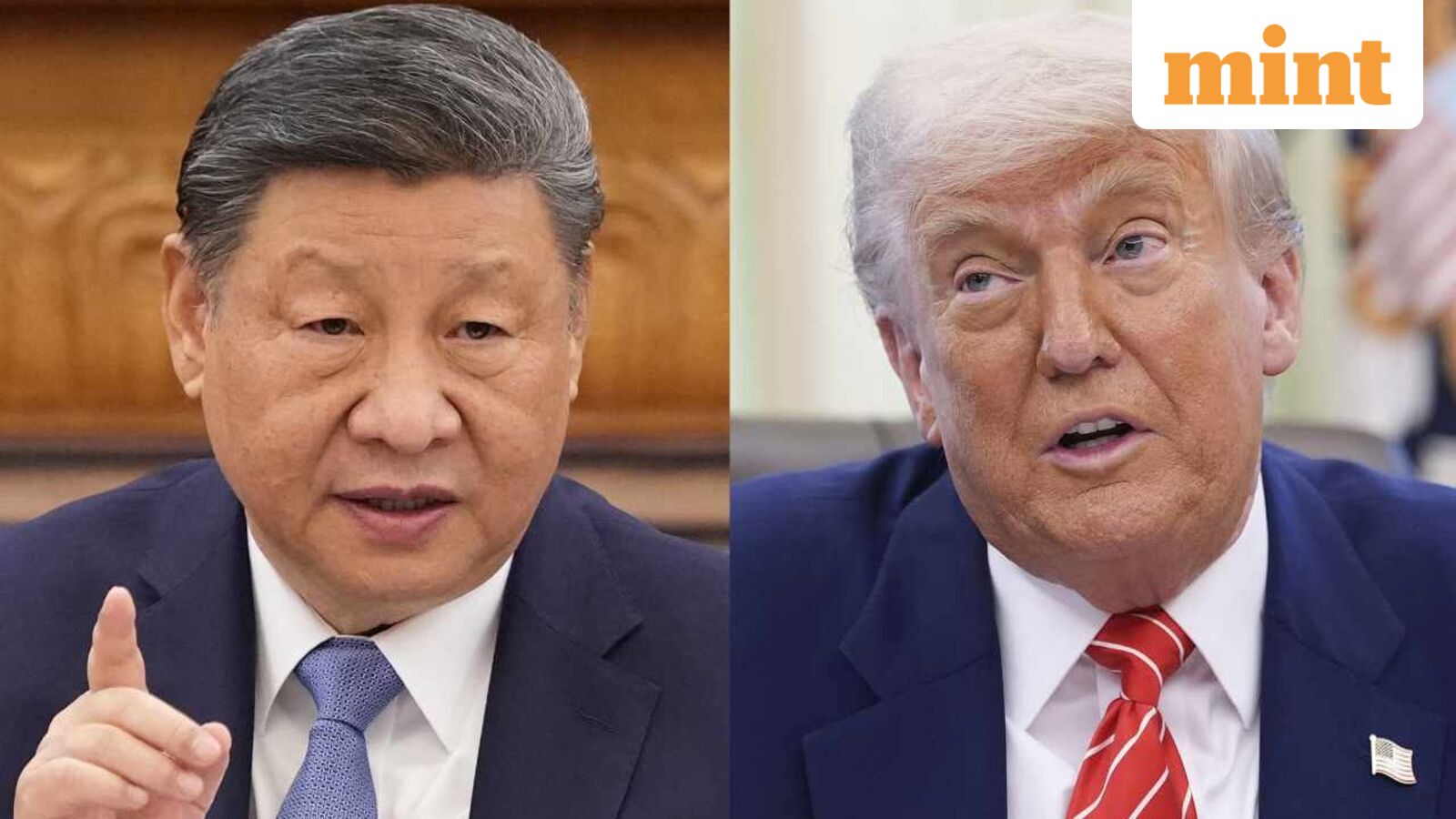
The survey underscores how Trump’s administration has altered perceptions of the U.S. on the global stage. As his leadership faced scrutiny, the country’s reputation as a stabilizing force weakened, leading to a decline in favorability. In 22 nations, more respondents expressed support for Chinese President Xi Jinping than for Trump, even in traditionally Western-aligned countries like Canada, France, Germany, and the United Kingdom. This shift has created a ripple effect, reshaping alliances and public trust in U.S. foreign policy.
“The decline in U.S. favorability reflects a growing belief that the country isn’t contributing to peace and stability,” remarked Laura Silver, associate director of Pew’s Global Attitudes Research, as reported by the Associated Press.
Key factors undermining U.S. global standing include its military actions in West Asia, territorial disputes over Greenland, trade tensions with allies, and stances on the Israel-Hamas conflict. These policies have not only fueled criticism but also positioned China as a more reliable partner in addressing global challenges. Meanwhile, the easing of pandemic-related restrictions has further enhanced China’s positive image, contributing to its rise in international favorability.
Strained Alliances and Rising Support for China
Several long-standing U.S. allies have seen a notable decline in support for Washington, with China gaining traction. In Canada, U.S. favorability dropped from 57% in 2023 to 33% in 2026, while China’s rose from 14% to 44%. This change aligned with Trump’s imposition of tariffs on Canadian goods and his remarks suggesting Canada’s potential as the “51st state.” Similar patterns emerged in European nations, where public sentiment toward China grew in countries like France, Germany, and the Netherlands, reflecting a broader trend of skepticism toward U.S. leadership.
Within the U.S., the gap between public perception of the nation and China has narrowed. Three years ago, Americans viewed their country 32 percentage points more favorably than China, but current ratings show a much closer alignment. This shift suggests that even domestically, the Trump era has influenced how the U.S. is perceived on the global stage, potentially reshaping the country’s role in international affairs.
Meanwhile, China’s appeal continues to grow in regions such as Latin America, Africa, and the Middle East. In 17 of these countries, a median of 75% of respondents believed the U.S. interferes in global matters, compared to 45% for China. Many view China as a more stable and cooperative partner, particularly in economic and infrastructure development. This perception is further reinforced by China’s diplomatic efforts and its ability to navigate complex international issues without the same level of political polarization.
Despite this, the U.S. remains a positive force in its immediate neighbors like India, Japan, and South Korea. However, these countries are also engaged in territorial disputes with Beijing, which could complicate the long-term impact of the global opinion shift. The survey highlights the dual nature of China’s growing influence: it is seen as a reliable partner in some regions, while its expansion in others has sparked concerns about geopolitical dominance.
Implications for Global Leadership and Future Relations
The Trump era’s impact on global opinion raises questions about the future of U.S. leadership and China’s rising influence. As more countries view China favorably, the U.S. may need to recalibrate its foreign policy to regain trust. This shift is particularly evident in regions where economic interdependence with China has deepened, such as Southeast Asia and parts of Africa. The Pew survey serves as a timely reminder of the changing tides in international relations, with the U.S. and China vying for global favor in an increasingly competitive landscape.
For the U.S., the decline in global favorability could have lasting consequences. The country’s ability to lead international initiatives, such as climate agreements or pandemic responses, may be challenged by a more China-centric global outlook. However, the Trump era also highlights the importance of political leadership in shaping public perception, as his policies have directly influenced how nations view the U.S. and its role in world affairs.