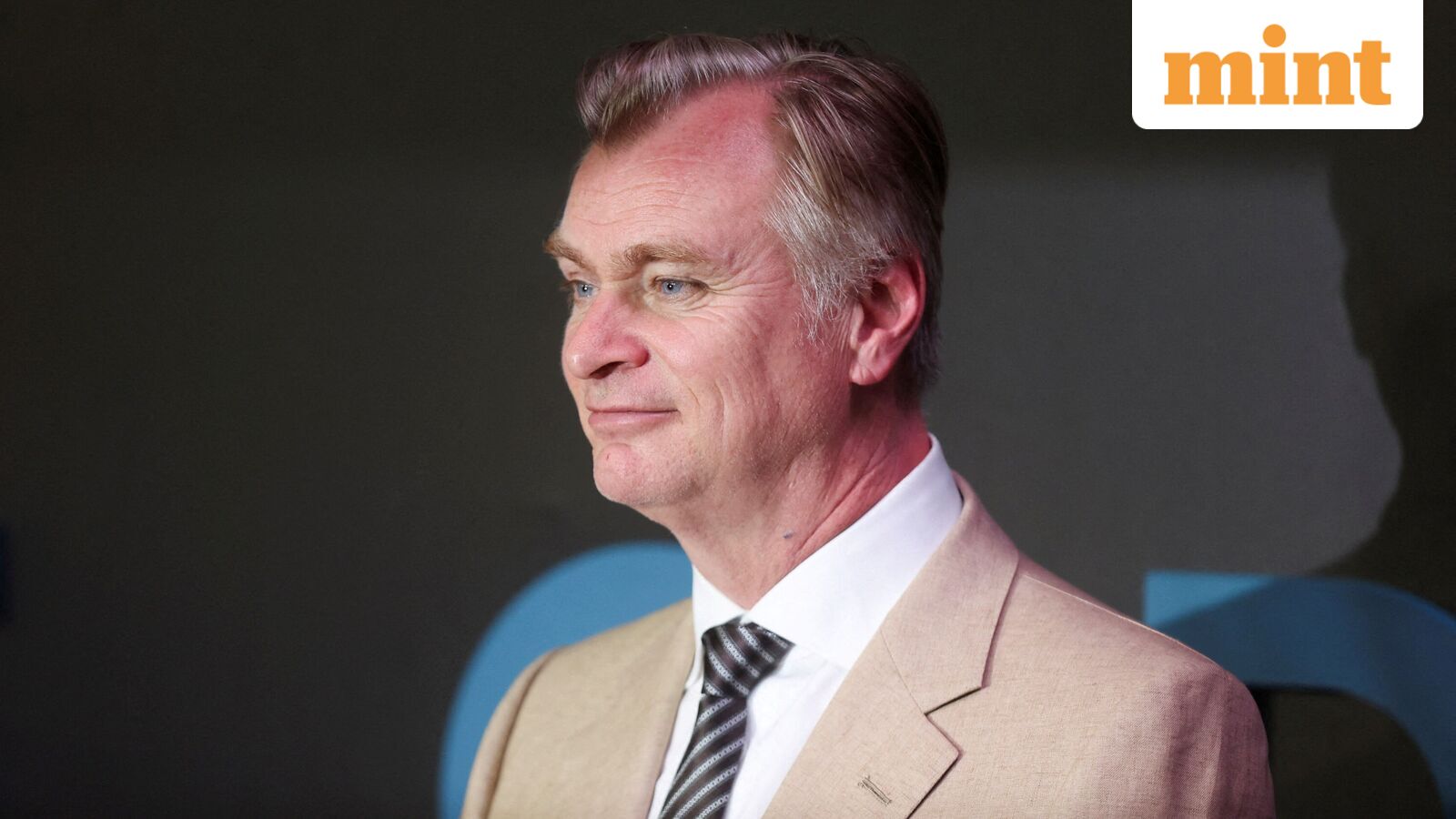
Christopher Nolan says young audiences are rejecting ‘AI slop’ and embracing handcrafted cinema
Christopher Nolan Says Young Audiences Reject 'AI Slop' and Favor Handcrafted Cinema The Impact of AI on Modern Film Audiences Theindiapostdaily.com – Christopher Nolan, the acclaimed filmmaker known for his…
Christopher Nolan Says Young Audiences Reject ‘AI Slop’ and Favor Handcrafted Cinema
The Impact of AI on Modern Film Audiences
Theindiapostdaily.com – Christopher Nolan, the acclaimed filmmaker known for his meticulous storytelling and reliance on practical effects, has made a bold statement about the current state of cinema. In a recent interview, he emphasized that young audiences are increasingly rejecting AI-generated content, dubbing it ‘AI slop,’ and gravitating toward handcrafted films that prioritize human creativity. This sentiment aligns with Nolan’s long-standing belief in the value of traditional filmmaking techniques, which he feels are being overshadowed by the rapid adoption of artificial intelligence in the industry.
Nolan’s comments come at a pivotal moment as AI technologies continue to reshape the film production landscape. From scriptwriting to visual effects, algorithm-driven tools are being integrated into every stage of filmmaking, raising questions about the authenticity of the final product. However, Nolan argues that this shift is not resonating with younger viewers, who he believes are more discerning in their appreciation of artistry. His perspective highlights a growing divide between the technological advancements in cinema and the audience’s preference for immersive, emotionally rich narratives.
He pointed to recent box office successes, such as the cult classic Backrooms and the psychological thriller Obsession, as evidence of this trend. These films, which rely on tangible sets and real-world locations, have captivated audiences with their ability to evoke a sense of presence and authenticity. Nolan noted that even complex, enigmatic themes—such as those found in Backrooms—continue to thrive, proving that young viewers are not averse to slow-paced storytelling, but rather to content that feels mechanized and lacking in soul.
Nolan’s Critique of AI in Creative Fields
Speaking to The Telegraph, Nolan criticized the mainstream embrace of AI in creative industries, particularly in film. He observed that while AI has gained traction in tech and finance sectors, its acceptance in entertainment is waning. “I’ve never witnessed a technology gaining so much traction in tech and finance circles while being so thoroughly rejected by the public,” he remarked. This sentiment reflects a broader public sentiment that young audiences, especially, are beginning to label AI-generated content as a lesser form of art.
Nolan’s children, who are part of the younger generation, have become a personal example of this trend. According to him, they instinctively recognize the difference between human creativity and algorithmic output, often dismissing AI-produced material as unoriginal. “They’re quick to spot the lack of authenticity in AI-driven films,” he said. This generational insight underscores Nolan’s argument that the next wave of cinema will be defined by a return to handcrafted methods rather than digital shortcuts.
His critique extends to the broader film industry, which is grappling with the implications of AI on storytelling. While some directors embrace AI for efficiency and innovation, Nolan remains steadfast in his advocacy for traditional techniques. He has consistently championed practical effects, large-format cinematography, and in-person collaboration, believing these elements are essential for creating emotionally resonant films. As the industry debates the role of AI in production, Nolan’s voice offers a compelling counterpoint to the trend of algorithmic dominance.
Additionally, Nolan highlighted the importance of audience engagement in shaping the future of cinema. He suggested that the public’s resistance to AI-generated content is not just a preference, but a reaction to the perceived loss of human touch in storytelling. “Young viewers are demanding more from their films,” he stated, “and they’re rejecting anything that feels like a product of machines rather than minds.” This perspective resonates with many who feel that AI-driven films lack the depth and unpredictability that characterize human-created art.
As the debate around AI in cinema intensifies, Nolan’s comments provide a timely reminder of the enduring appeal of handcrafted narratives. His upcoming project, The Odyssey, an adaptation of Homer’s epic, exemplifies his commitment to this philosophy. Scheduled for a theatrical release on 17 July, the film will blend timeless storytelling with Nolan’s signature visual style, reinforcing his belief in the power of human creativity in an era increasingly dominated by digital automation.
Nolan’s stance is not without controversy. While some industry insiders see AI as a tool for expanding creative possibilities, he argues that its overuse risks diluting the art form. “AI is a powerful instrument,” he acknowledged, “but it should serve the story, not replace it.” This balance between innovation and tradition is at the heart of the current discourse in cinema, as filmmakers navigate the tension between technological advancement and the emotional authenticity that has long defined the medium.