India’s Russian crude imports hit record ₹49,000 crore in June, up 34% even as Moscow’s oil revenues slip
India's Russian Crude Imports Surge to Record ₹49,000 Crore in June, Outpacing Revenue Declines India s Russian crude imports hit record - India's Russian
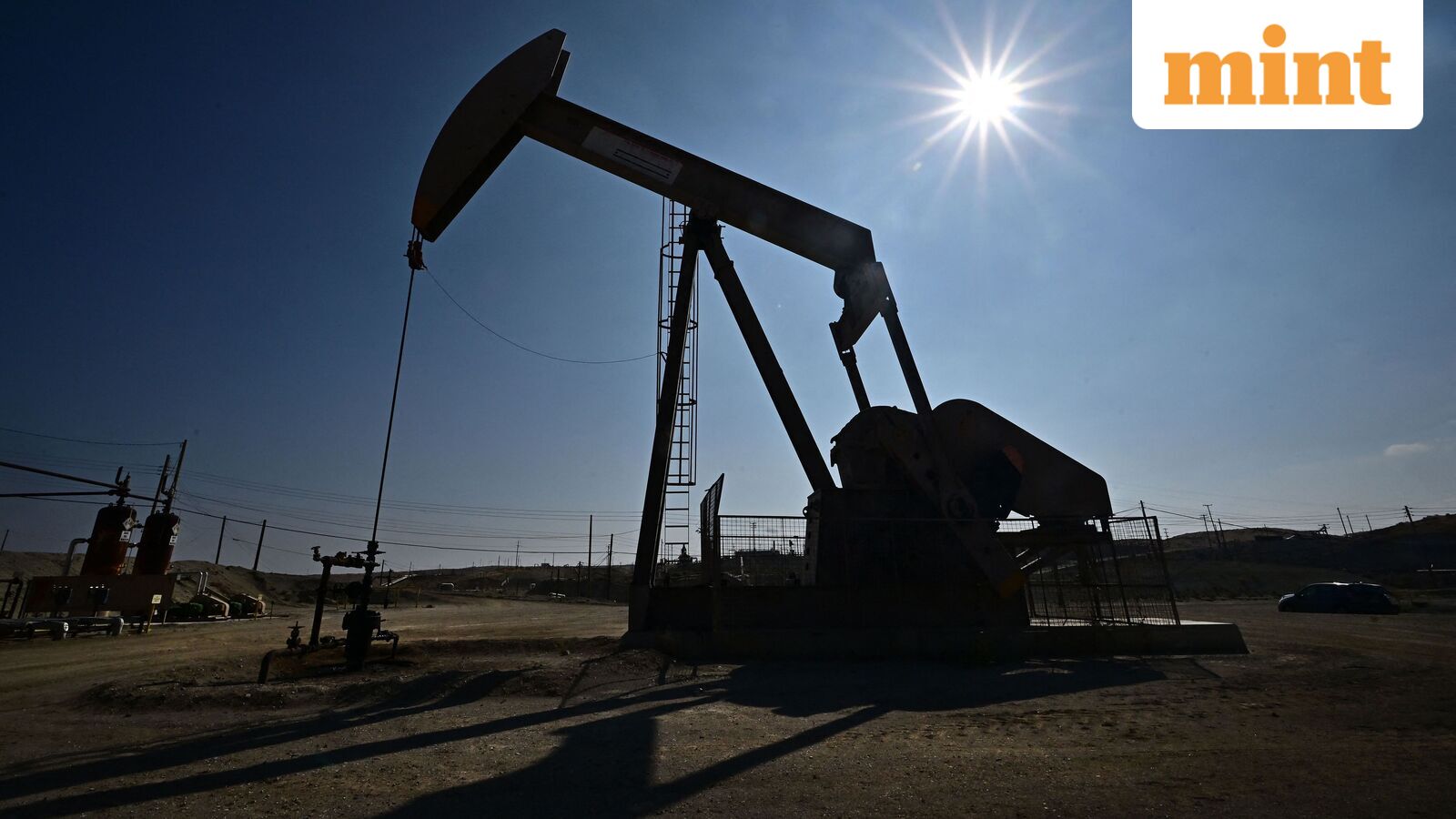
India’s Russian Crude Imports Surge to Record ₹49,000 Crore in June, Outpacing Revenue Declines
Theindiapostdaily.com – India’s Russian crude imports hit a historic high of ₹49,000 crore in June, representing a 34% year-on-year increase, as per the Centre for Research on Energy and Clean Air (CREA) report. This growth came despite a sharp 14% drop in Moscow’s oil export revenues, which fell to EUR 348 million per day due to falling crude prices. The data highlights India’s growing reliance on Russian oil as a strategic move to diversify its energy sources amid shifting global dynamics.
India’s Strategic Energy Portfolio
India’s oil imports from Russia totaled EUR 4.5 billion in June, significantly contributing to the country’s overall energy procurement. While Russia’s crude export volumes rose by 14%, the daily revenue from oil sales declined by 8% as a result of lower international prices. This trend reflects the broader challenges faced by Russia’s energy sector, yet India’s imports remain a critical lifeline for sustaining its supply chain. The report noted that India accounted for 27% of Russia’s crude exports in the first half of 2026, underscoring its pivotal role in the global oil market.
India’s Russian crude imports also helped offset the impact of Western sanctions on Russian energy exports. By prioritizing Russian crude over other suppliers, India not only reinforced its energy security but also provided a steady demand for Russian oil products, which is vital for the country’s economic resilience. This strategic alignment has allowed Russia to maintain a foothold in the Indian market, even as global prices fluctuate.
Refinery Operations and Import Dynamics
The surge in India’s Russian crude imports was driven by increased activity at major Indian refineries. Reliance Industries’ Jamnagar refinery, the world’s largest, received 150% more Russian crude in June compared to May, while Indian Oil Corp’s Paradip refinery saw a 126% jump. BPCL’s Kochi refinery and Nayara Energy’s Vadinar refinery also reported substantial increases, with 83% and 45% growth, respectively. These figures demonstrate the strong appetite for Russian crude among Indian refiners, which is expected to continue as the country seeks to stabilize its energy costs.
India’s refineries are now playing a key role in processing Russian crude, with the Jamnagar refinery alone accounting for 60% of the country’s total Russian crude imports in the prior three months. This capability has enabled India to maintain a competitive edge in the global oil trade, even as other nations face supply chain disruptions. The report emphasized that India’s ability to efficiently process and export these refined products has further solidified its position as a key partner for Russia in the energy sector.
Global Trade and Sanctions Navigation
India’s Russian crude imports have not only bolstered domestic supply but also facilitated exports to sanctioned regions. In June, oil products derived from Russian crude were shipped to the European Union, Australia, and the United States, totaling EUR 814 million. The UK’s first shipment of jet fuel from Jamnagar under a special exemption highlights the role of India in circumventing sanctions and maintaining critical energy flows to the West.
“In June 2026, the UK’s first cargo of jet fuel produced at India’s Jamnagar refinery arrived at the ports of Thames Haven and the Isle of Grain, marking a significant milestone in alternative energy trade routes,” CREA noted. The shipment, valued at approximately EUR 63 million, showcased India’s ability to adapt to new trade conditions by leveraging exemptions and flexible logistics networks.
Despite the EU’s ban on Russian crude oil, two shipments of refined products reached EU ports in June. This highlights the resilience of India’s supply chain and its ability to navigate geopolitical challenges. By using alternative shipping routes, India has ensured that a portion of Russian crude continues to reach global markets, mitigating the economic impact of sanctions on Russia’s energy exports.
The report also highlighted the growing importance of the “shadow fleet” in India’s Russian crude imports. Nearly 54% of Russia’s seaborne oil exports in June were transported via these vessels, which are often sanctioned but remain operational to support export flows. Additionally, 43% of the oil was carried by G7-backed ships, emphasizing the collaborative efforts to sustain trade despite international pressure.
India’s Russian crude imports have broader implications for global energy markets. As the second-largest buyer of Russian hydrocarbons after China, India’s continued procurement helps stabilize Russian oil prices and ensures a consistent revenue stream for Moscow. This partnership has become a cornerstone of India’s energy strategy, balancing cost efficiency with geopolitical considerations. The report suggests that India’s commitment to Russian crude is likely to persist, given its strategic advantages and the current energy landscape.