Who is David Brouillett, the ICE officer in Maine shooting? Family says he is ‘extremely mentally ill’
David Brouillett, the ICE officer at the center of a
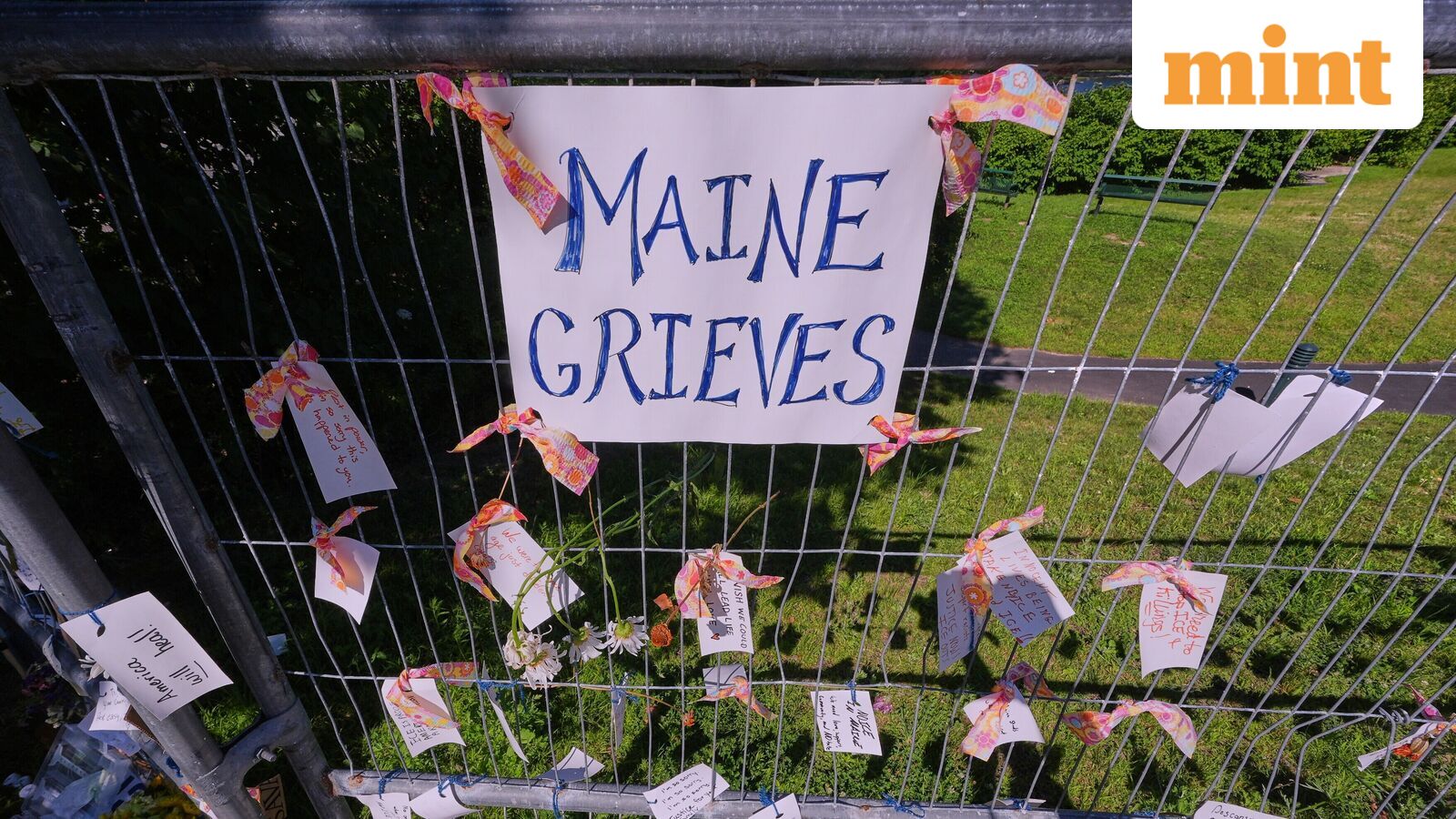
Who Is David Brouillett, the ICE Officer in Maine Shooting?
Theindiapostdaily.com – David Brouillett, the ICE officer at the center of a recent shooting in Biddeford, Maine, has sparked widespread public debate following the incident on July 13, 2026, in which he fatally shot Johan Sebastián Durán Guerrero, a 25-year-old Colombian national. The Department of Homeland Security (DHS) initially withheld his name, citing safety concerns, but the agency later confirmed his identity as the individual involved. The shooting occurred during a high-speed chase, with Brouillett claiming he fired in self-defense as the suspect’s vehicle sought to escape.
Background and Mental Health Concerns
David Brouillett, a former Army veteran, has a documented history of mental health challenges that began in childhood. His ex-wife, Ashley Brouillett, revealed to the Associated Press that he had been employed by ICE and that his actions during the shooting were described as self-defense. However, she also emphasized that his family believed he was “extremely mentally ill,” a sentiment echoed by his relatives who have long raised concerns about his emotional stability.
Brouillett’s mental health struggles have been a recurring theme in family court records. His ex-wife stated that David had informed her of his role as an ICE officer during a Facebook call, a detail she initially dismissed as part of his character. But after videos of the shooting surfaced online, she was forced to confront the reality of his psychological state, which she now claims contributed to the incident.
A Pattern of Aggression and Abuse
Relatives of Brouillett have described a history of violent behavior, with several incidents of aggression toward women in his life. One relative shared a voicemail from late 2025 in which Brouillett stated, “Someone should slit her throat,” highlighting his tendency toward explosive outbursts. This pattern of abuse, which included physical violence against his spouses and children, has raised questions about how thoroughly ICE vetted him before hiring.
David’s ex-wife recounted how his violent tendencies escalated after their marriage in 2007. She described an incident where he threw boiling water at her while holding their daughter, and his aggression continued even after their divorce in 2009. His second ex-wife alleged he stalked her, verbally abused their children, and engaged in physical altercations, all of which were documented in court filings.
“Dave needs counseling or something for his PTSD & depression,” the ex-wife wrote in a 2021 court filing, which a judge approved as temporary protection orders.
This statement, along with other records, has fueled criticism of the vetting process for ICE officers, with advocates arguing that mental health evaluations should be a critical part of recruitment.
Public Reaction and Legal Scrutiny
The shooting has ignited a broader conversation about the role of mental health in law enforcement decisions. Local residents and activists have called for transparency, questioning whether Brouillett’s history of violence was adequately assessed before he was assigned to patrol duty. Some argue that his past behavior should have been a red flag for agencies like ICE, which often operate in high-stakes, high-pressure environments.
Experts in psychology and law enforcement have weighed in, noting that mental health conditions such as PTSD and depression can impair judgment, especially in moments of crisis. Brouillett’s case has also drawn attention to the lack of public awareness about the personal lives of officers, as his identity was only revealed after the incident. Advocacy groups are now pushing for more detailed background checks and mandatory mental health screenings for all immigration enforcement personnel.
“This isn’t just about one person—it’s about a system that may not have properly vetted someone with a history of aggression,” said one legal analyst, underscoring the need for reform.
As the investigation continues, the public remains divided on whether Brouillett’s actions were a product of his mental state or a justified response to the situation.
Conclusion: A Case for Reform
The shooting of Johan Sebastián Durán Guerrero by David Brouillett has placed the spotlight on the intersection of mental health and law enforcement. While Brouillett’s family insists he acted in self-defense, the evidence of his past aggression suggests a deeper issue within ICE’s hiring practices. As the agency faces growing pressure to improve its vetting processes, the case of Brouillett the ICE officer serves as a poignant reminder of the human element behind every enforcement action.