‘Traffic is flowing…Iran does not control the strait’: US says Hormuz remains open despite Iranian threats
Traffic is flowing: Iran does not control the Strait of Hormuz, US reports Theindiapostdaily.com – Despite Iranian threats to block the critical maritime route, the U.S. military has confirmed that…
Traffic is flowing: Iran does not control the Strait of Hormuz, US reports
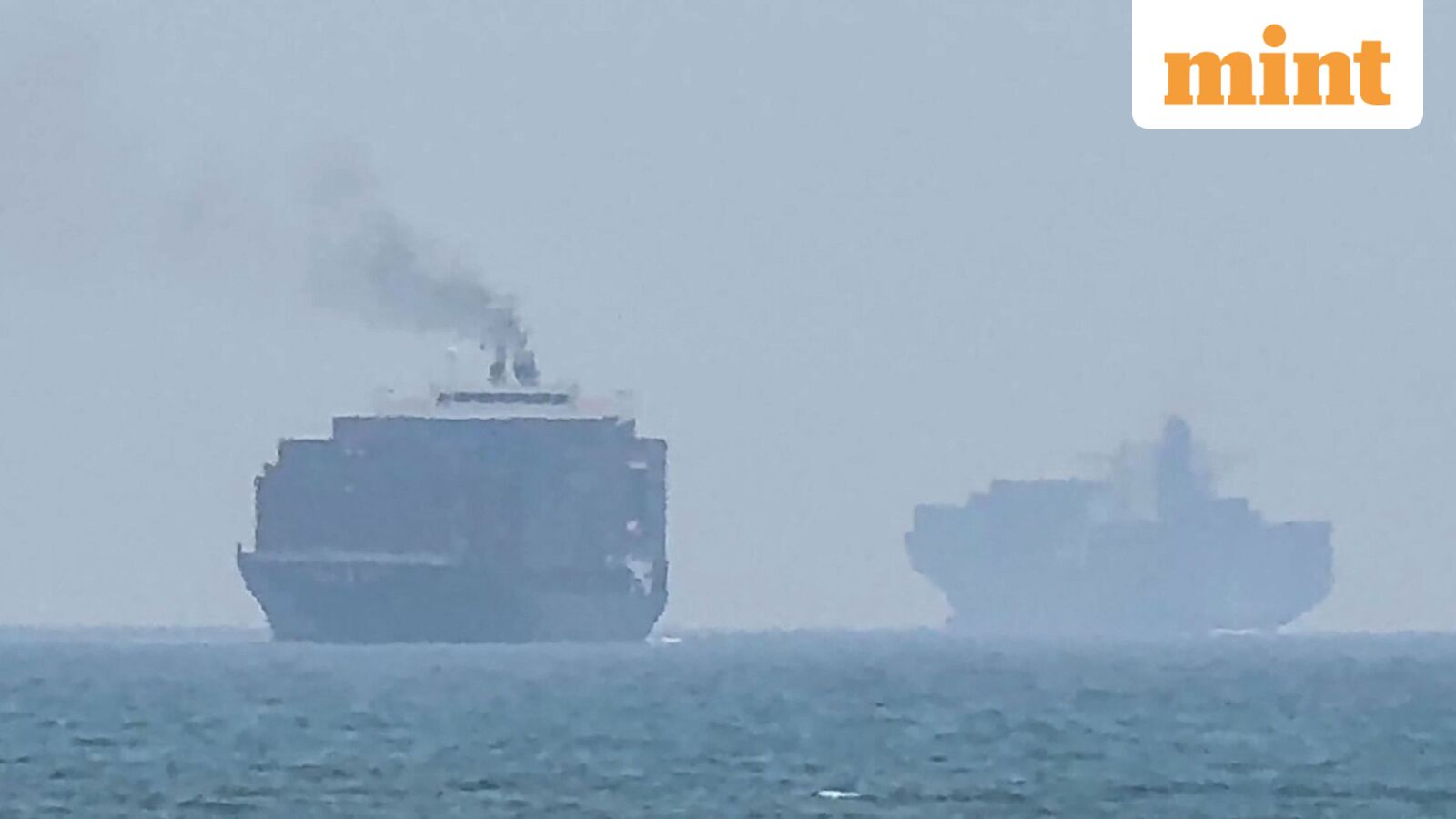
Theindiapostdaily.com – Despite Iranian threats to block the critical maritime route, the U.S. military has confirmed that the Strait of Hormuz remains fully operational, with commercial traffic continuing unhindered. In a statement issued by the U.S. Central Command (CENTCOM) on Sunday, officials dismissed claims of Iranian control over the strait, asserting that “traffic is flowing” and the region’s shipping lanes are secure. This declaration comes amid heightened tensions in the Gulf following a recent Iranian attack on a Cyprus-flagged ship, which escalated fears of a potential disruption to global energy supplies.
Strategic chokepoint remains open amid rising tensions
Centcom reiterated that all vessels, including those from allied nations, can pass through the strait without obstruction. “Traffic is flowing, and Iran does not control the strait,” the command emphasized, highlighting the U.S. commitment to safeguarding free navigation. The statement follows a series of U.S. strikes on Iranian military targets, which were aimed at deterring further aggression and ensuring the waterway’s continued accessibility. These strikes have intensified the already volatile dynamics between the two nations, with Iran positioning itself as a key player in the region’s strategic logistics.
“Iran does not control the strait. Traffic is flowing.”
Global economic implications of the strait’s status
The Strait of Hormuz, a narrow waterway between the Persian Gulf and the Gulf of Oman, is vital for international trade, particularly for oil exports. Over 20% of the world’s oil shipments pass through this chokepoint daily, making it a critical artery for global energy markets. A closure could lead to skyrocketing oil prices and supply chain disruptions, affecting economies worldwide. The U.S. assurance that the strait is open underscores its role in maintaining stability for the region’s energy-dependent economies and international commerce.
U.S. military action and Iranian retaliation
In response to the Iranian attack on a container ship in the strait, the U.S. launched a significant military operation targeting over 140 Iranian sites. The strikes focused on key infrastructure such as missile bases, drone facilities, and communication networks, aiming to cripple Iran’s ability to threaten maritime traffic. While the attacks caused some damage, Iranian officials swiftly retaliated by launching missile and drone strikes against several Gulf countries, including Bahrain, Kuwait, Qatar, and the United Arab Emirates.
“Iran made a poor choice. Now they pay.”
Regional responses to the crisis
Qatar’s military successfully intercepted incoming projectiles, while Oman issued shelter-in-place alerts near the strait to protect civilian populations. Jordan reported minor property damage from three Iranian missiles, and the UAE confirmed that warning sirens were activated but no direct strikes occurred on its territory. These actions demonstrate the Gulf states’ preparedness to defend their interests, even as they navigate the delicate balance between diplomacy and defense.
Long-term geopolitical implications
The ongoing standoff highlights the strategic importance of the Strait of Hormuz as a battleground for regional power. With the U.S. and Iran locked in a cycle of escalation, the situation raises questions about the future of maritime security in the Gulf. Analysts warn that sustained tensions could lead to more frequent incidents, potentially disrupting global oil flows and prompting international intervention. However, the U.S. remains steadfast in its efforts to ensure the strait remains open, reinforcing its presence in the region as a deterrent against Iranian aggression.