Jeffrey Epstein case: Ex-prison guard Tova Noel rejects cover-up claims, says she has faced relentless threats
Jeffrey Epstein Case: Ex-Guard Tova Noel Denies Cover-Up, Claims Persistent Threats Theindiapostdaily.com – In the ongoing investigation into the Jeffrey Epstein case, a former prison guard has spoken out about…
Jeffrey Epstein Case: Ex-Guard Tova Noel Denies Cover-Up, Claims Persistent Threats
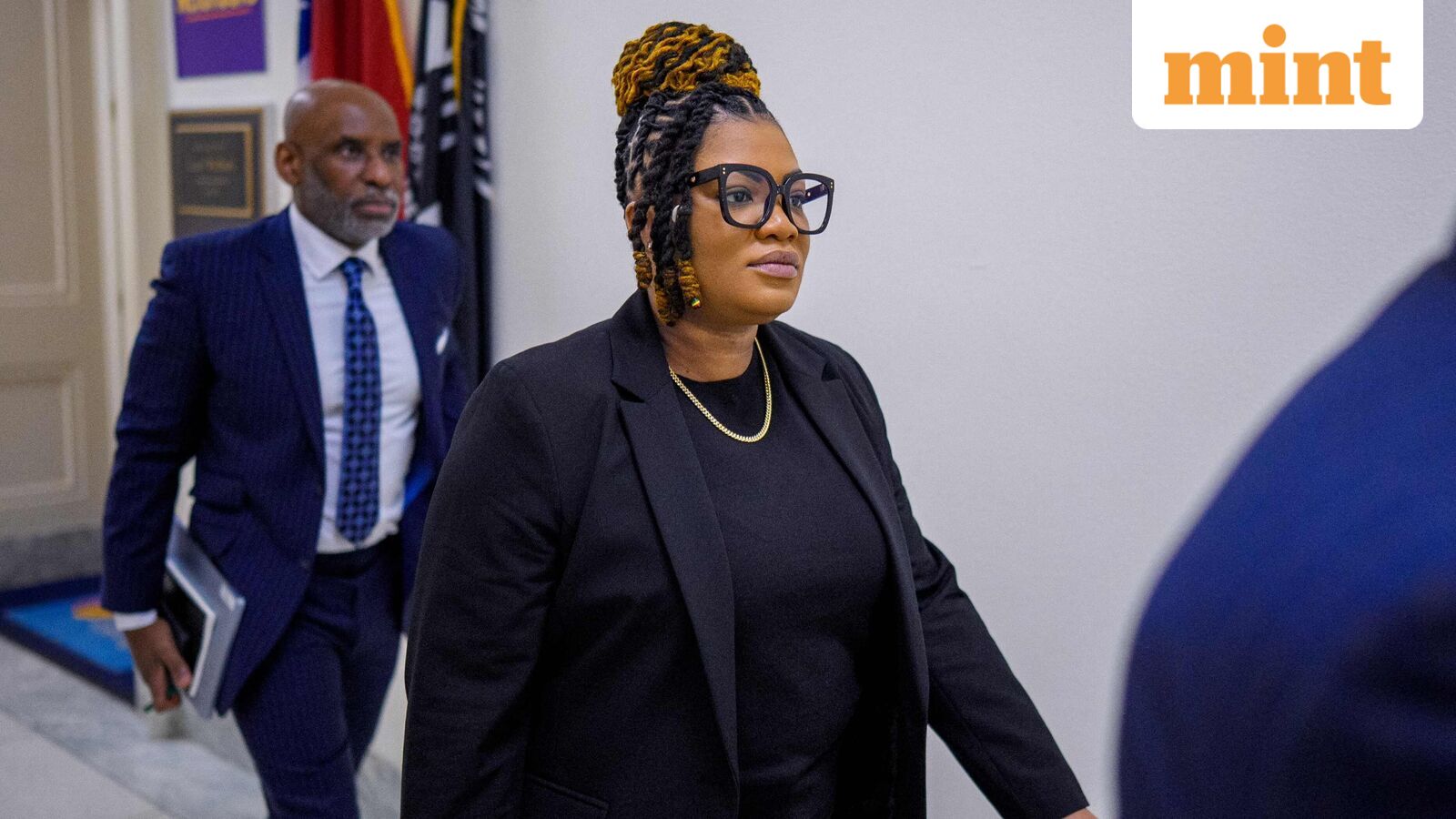
Theindiapostdaily.com – In the ongoing investigation into the Jeffrey Epstein case, a former prison guard has spoken out about the pressures she faced after the convicted sex offender’s death. Tova Noel, who worked at the Manhattan jail on the night Epstein died, described how years of conspiracy theories and intimidation have affected her personal and professional life, as detailed in a House Oversight Committee interview transcript recently shared by ABC News.
Threats and Accusations in the Jeffrey Epstein Case
Noel, a former Metropolitan Correctional Center (MCC) officer, has denied involvement in any cover-up related to Epstein’s death. She recounted enduring relentless harassment, life-threatening threats, and false allegations despite never being formally charged in connection with the incident. Her testimony revealed the extent of public scrutiny and the impact of the Jeffrey Epstein case on her daily life.
“I thought I could rebuild my life and career in private. Instead, I’ve been subjected to constant threats, conspiracy theories, and absurd rumors that have taken a toll on my health,” she told lawmakers during the interview.
Systemic Failures at MCC and Their Role in the Jeffrey Epstein Case
During her testimony, Noel highlighted operational shortcomings at the Metropolitan Correctional Center that contributed to the events of the Jeffrey Epstein case. She admitted that her duties on the night of Epstein’s death were not fully carried out, citing severe understaffing, poor training, and communication breakdowns as key factors. These issues, she said, had persisted for years, creating an environment where mistakes could go unnoticed.
“My responsibility to conduct rounds and inmate checks was inadequately fulfilled due to severe understaffing, poor training, and weak communication between management and frontline staff,” she stated.
She referred to these challenges as the “MCC Way,” emphasizing how systemic failures within the facility might have played a role in the Jeffrey Epstein case. The testimony shed light on the internal dynamics of the prison that have been scrutinized by investigators and the public alike.
Admits to Falsifying Records in the Jeffrey Epstein Case
Noel and another officer were charged in November 2019 for failing to monitor inmates in the Special Housing Unit for eight hours before Epstein was found unresponsive. Prosecutors argued that the officers had spent much of their shift online, but Noel clarified that the paperwork she submitted was part of routine administrative errors, not a deliberate attempt to cover up Epstein’s death.
“I submitted paperwork claiming rounds were completed, but that was unrelated to Epstein’s death and part of routine administrative errors,” she explained.
Though the charges were dismissed in December 2021 after both officers reached plea agreements, the incident remains a focal point in the Jeffrey Epstein case. Noel’s testimony added credibility to the argument that systemic issues within the MCC, rather than individual malfeasance, were central to the events of that night.
Internet Searches and Financial Ties in the Jeffrey Epstein Case
Lawmakers questioned Noel about internet searches conducted shortly before Epstein’s death, including one for “latest on Epstein in jail” less than an hour prior to his passing. She admitted to seeing the search on the homepage but denied actively searching for specific details. The search, however, became a key point of contention in the Jeffrey Epstein case, with critics arguing it showed suspicious interest in the situation.
“I don’t specifically remember making that search. If I saw it on the homepage, I might have clicked it, but I didn’t do a physical search,” she said.
Additionally, committee members probed her about financial transactions linked to Epstein. Noel dismissed these claims, asserting that the funds in question were from her personal savings and had no connection to Epstein or his network. Her testimony aimed to separate her actions from the broader narrative of the Jeffrey Epstein case.
Surveillance Mystery and the Jeffrey Epstein Case
Noel was asked about an unexplained orange flash captured in surveillance footage near Epstein’s cell the night before his death. This image, which sparked online speculation for years, became a symbol of the unanswered questions surrounding the Jeffrey Epstein case. She claimed ignorance about the source of the flash, stating that she hadn’t returned to the tier that night and hadn’t issued anything orange to anyone in the Special Housing Unit.
“I don’t know what caused the flash or who it was. I never returned to the tier that night and hadn’t issued anything orange to anyone in the SHU,” she clarified.
The mystery of the orange flash has been a recurring theme in the Jeffrey Epstein case, with experts and investigators unable to definitively explain its significance. Noel’s testimony added another layer to the ongoing debate about whether this detail was a clue or a red herring in the case.
DOJ Confirmation and Public Perception
The U.S. Department of Justice confirmed Epstein’s death as a suicide, aligning with the initial ruling by the New York City medical examiner. The 2023 inspector general report by the DOJ detailed the circumstances surrounding his death, including the role of staff and the facility’s operations during the critical hours. While the report supported the suicide conclusion, it also highlighted areas of concern that continue to fuel public speculation about the Jeffrey Epstein case.