World’s malady: rising inequality, low employment
World’s malady: rising inequality, low employment The Dual Challenge of Rising Inequality and Low Employment World s malady - World’s malady—rising inequality
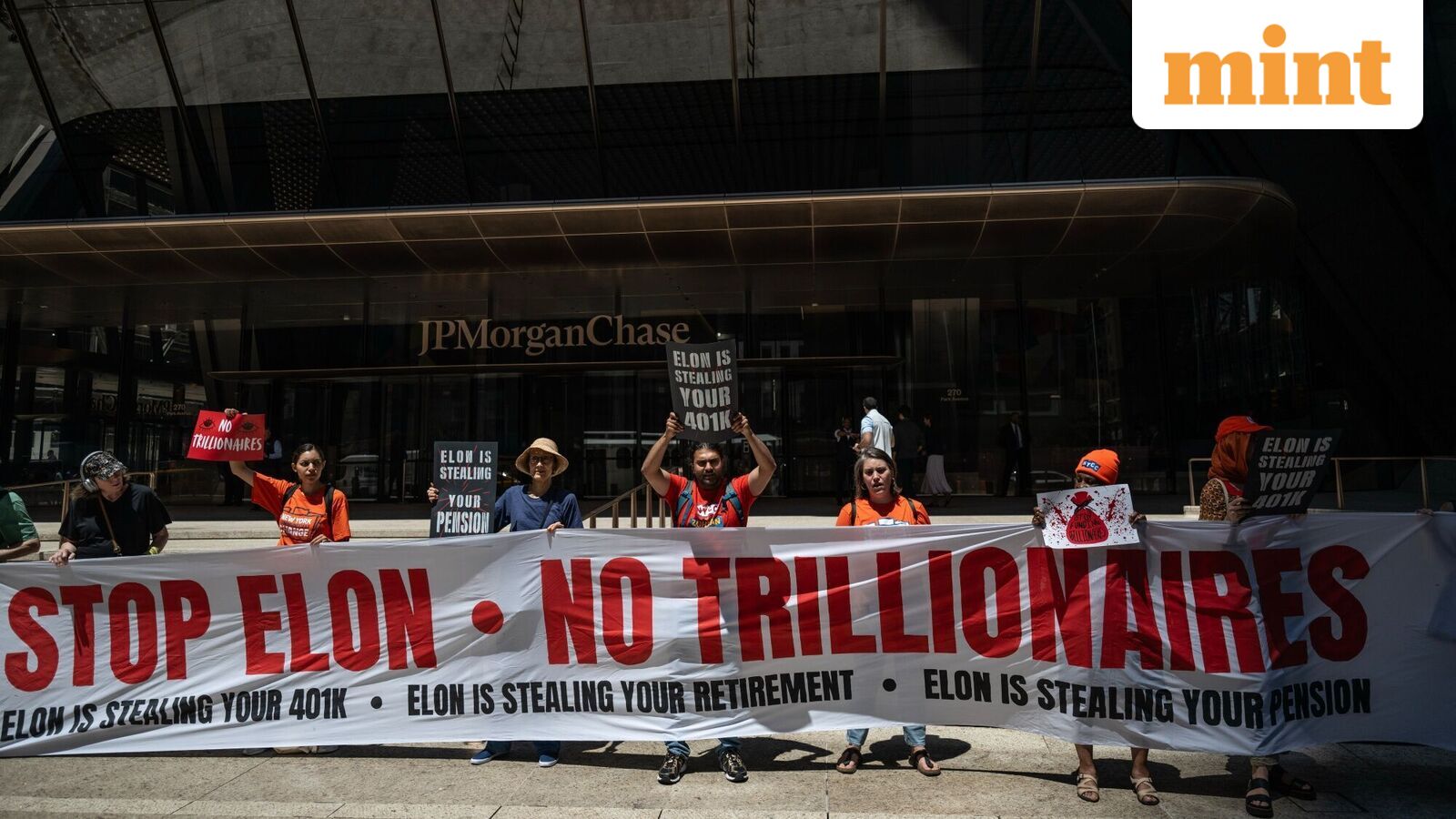
World’s malady: rising inequality, low employment
The Dual Challenge of Rising Inequality and Low Employment
Theindiapostdaily.com – World’s malady—rising inequality and low employment—has become a defining crisis of the modern era, transcending borders and reshaping economies worldwide. While the headline numbers of wealth accumulation might suggest optimism, the deeper implications of this dual challenge reveal a growing divide between the affluent and the struggling masses. The report highlights how the increasing concentration of wealth among a select few is juxtaposed with stagnant or declining employment rates, creating a stark picture of economic disparity. This phenomenon, often referred to as the World’s malady, underscores the urgent need for policy interventions to balance growth with equity.
India’s wealth landscape, as revealed by the latest data, reflects this global trend. Last fiscal year saw the addition of 5,012 new millionaires and high-net-worth individuals (HNIs), pushing the total count to over 871,000. However, these figures are accompanied by troubling insights: employment rates have remained low, with millions of people either underemployed or unable to secure stable livelihoods. The World’s malady is not merely a statistic but a lived reality for many, where economic progress fails to translate into widespread prosperity. This contradiction is particularly acute in developing nations, where the gap between the rich and poor continues to widen despite efforts to foster growth.
“You may gloat on these shimmering statistics, but many aspects of the same report leave you sad and dejected.”
The disparity in wealth distribution is driven by several factors, including automation, globalization, and unequal access to education and technology. As industries modernize, high-skilled workers benefit from higher wages and job security, while low-skilled laborers face displacement and reduced opportunities. This trend exacerbates the World’s malady, as the benefits of economic growth are increasingly captured by a minority, leaving the majority to grapple with financial insecurity. The report’s findings suggest that without targeted measures, this imbalance will deepen, creating long-term challenges for social cohesion and political stability.
Global Trends and Policy Responses
World’s malady is not confined to India. Similar patterns are emerging across the globe, with countries like the United States, Brazil, and South Africa also experiencing rising inequality and sluggish employment growth. In the U.S., for instance, the top 1% of earners have seen their wealth surge while the middle class stagnates. This global phenomenon highlights the interconnected nature of economic challenges, where wealth concentration in one region can have ripple effects on others. The World’s malady, therefore, requires a coordinated international approach to address its root causes.
Employment trends further complicate the issue. Despite record economic growth in some sectors, the overall employment rate remains low, with millions of people remaining outside the formal workforce. This is partly due to the shift from traditional labor-intensive industries to technology-driven ones, which demand specialized skills. Additionally, the rise of gig economies and remote work has created new forms of job insecurity, contributing to the World’s malady. The report emphasizes that while innovation and productivity are vital for growth, they must be paired with inclusive labor policies to ensure equitable opportunities for all.
Addressing the World’s malady demands a multifaceted strategy. Governments must invest in education and vocational training to bridge the skills gap, ensuring that workers can adapt to changing economic landscapes. Simultaneously, progressive taxation and wealth redistribution policies can help mitigate the concentration of wealth among the top echelons. Social safety nets, such as unemployment benefits and affordable healthcare, are also crucial in protecting vulnerable populations. Without these measures, the World’s malady will persist, undermining the very foundation of sustainable development and global stability.
The World’s malady is a complex interplay of systemic issues, from corporate practices to government policies. Companies that prioritize profit over employee welfare often contribute to the wealth gap, while policies that neglect social equity can entrench inequality. The report calls for a rethinking of economic models, advocating for a balance between innovation and inclusivity. By prioritizing fair wages, job creation, and access to resources, nations can combat the World’s malady and foster a more resilient, equitable future for all.
In conclusion, the World’s malady—rising inequality and low employment—demands immediate attention. Its impact is felt across all levels of society, from the individual struggling to make ends meet to the global economy grappling with instability. By understanding the underlying causes and implementing comprehensive solutions, the world can move toward a more balanced and prosperous future. The report serves as a timely reminder that economic growth must be accompanied by social progress to truly address the challenges of the World’s malady.