Hips don’t lie: India to ditch BMI, track waist-to-hip ratio to fight obesity
Hips don’t lie — India is set to adopt a new obesity screening tool
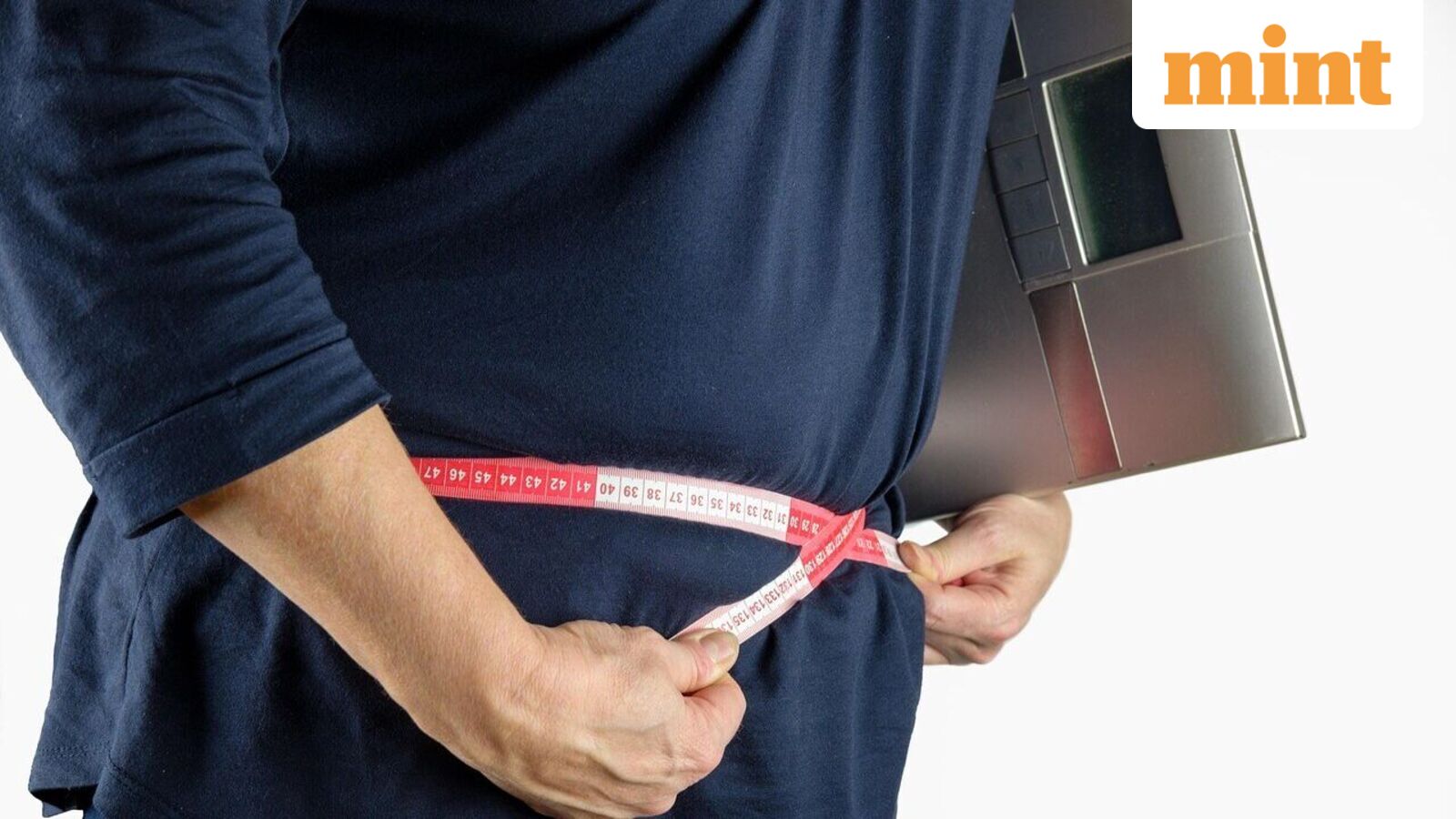
Hips Don’t Lie: India Shifts to Waist-to-Hip Ratio for Obesity Monitoring
Theindiapostdaily.com – Hips don’t lie — India is set to adopt a new obesity screening tool in its government hospitals, replacing the long-used Body Mass Index (BMI) with the waist-to-hip ratio (WHR). This change, part of a larger public health initiative, aims to improve the accuracy of obesity assessments by focusing on body fat distribution rather than just overall weight. The decision comes as growing concerns about rising obesity rates and their impact on chronic diseases highlight the need for a more precise measurement system.
Why the Shift from BMI to WHR?
BMI has long been the go-to metric for evaluating weight-related health risks, but its limitations are increasingly evident. While BMI calculates weight in relation to height, it fails to account for variations in body composition, such as muscle mass versus fat. Critics argue that this can lead to misclassifications, particularly among individuals with a muscular build who might be labeled overweight despite being healthy. The waist-to-hip ratio, on the other hand, measures the proportion of fat around the waist compared to the hips, offering a clearer indicator of visceral fat accumulation — the type of fat most linked to metabolic disorders and cardiovascular risks.
“The waist-to-hip ratio provides a more nuanced understanding of body fat distribution, addressing gaps in BMI’s traditional approach,” said a senior health official overseeing the implementation.
Experts highlight that WHR is more effective in predicting health risks like type 2 diabetes, hypertension, and heart disease. For instance, a person with a high WHR may have a higher risk of developing these conditions even if their BMI falls within the normal range. By prioritizing WHR, India’s health authorities hope to create a more equitable system that identifies health vulnerabilities more effectively, especially in populations where BMI might not reflect the true picture.
Implementation and Public Health Impact
The transition to WHR will begin in government hospitals across the country, with plans to integrate the metric into routine health checkups. This includes training medical staff on accurate measurement techniques and updating guidelines to reflect the new standard. The government has emphasized that the rollout will be gradual to ensure smooth adoption and minimize confusion among healthcare providers and patients alike.
Public health campaigns will accompany the implementation to educate citizens on the significance of WHR. These efforts will focus on explaining how the ratio reflects body fat distribution and why it is a better tool for assessing obesity-related risks. By making this metric more accessible, India aims to foster a deeper understanding of health indicators and encourage preventive measures among at-risk populations.
According to recent reports, India’s obesity crisis is escalating, with a significant portion of the population now classified as overweight or obese. The shift to WHR is expected to refine data collection and enable targeted interventions. For example, healthcare professionals can use WHR to identify individuals who may benefit from dietary changes or exercise programs, even if their BMI appears normal. This approach could also help reduce healthcare costs by focusing resources on those most in need.
Health Benefits and Expert Backing
Studies have shown that waist-to-hip ratio is a strong predictor of health risks associated with excess fat. For instance, a 2022 WHO report indicated that individuals with a higher WHR are more likely to develop insulin resistance and metabolic syndrome. By adopting this metric, India aligns itself with global health organizations that recommend WHR as a complementary tool to BMI for assessing obesity and related conditions.
Health professionals also emphasize that WHR is easier to measure and requires no specialized equipment, making it cost-effective and practical for widespread use. A government health document noted that WHR provides a more accurate reflection of central adiposity, which is particularly relevant in a country where lifestyle changes and urbanization are driving obesity trends. This shift is seen as a step toward more personalized and effective public health strategies.
“Hips don’t lie — the data from WHR will tell us more about the body’s fat distribution and health risks than BMI ever could,” remarked Dr. Anil Sharma, a nutritionist and advisor to the health ministry.
The integration of WHR into healthcare systems is also expected to influence policies related to diet and physical activity. For example, it may lead to more tailored recommendations for individuals with higher WHR values, such as specialized exercise regimens or nutrition plans. This change could also help reduce the stigma associated with obesity by focusing on fat distribution rather than just weight, promoting a more holistic view of health.