Govt lifts restrictions on diesel purchases with effect from 1 July
The Indian government has officially lifted restrictions on diesel purchases, effective from 1 July, as
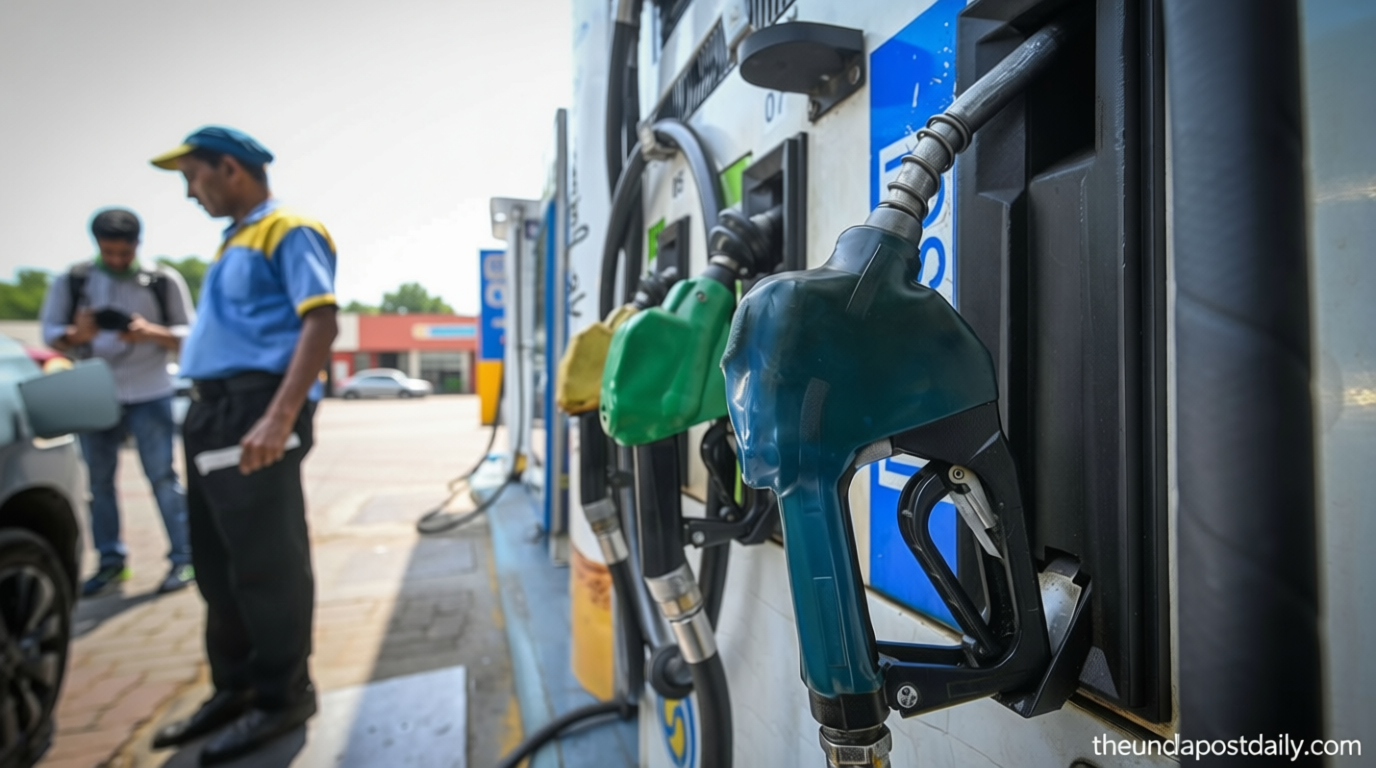
Government Removes Diesel Purchase Limit Starting 1 July
Theindiapostdaily.com – The Indian government has officially lifted restrictions on diesel purchases, effective from 1 July, as confirmed by the Union petroleum ministry. This decision marks a significant shift in fuel distribution policies, aiming to restore consumer access to diesel at retail fuel stations. The move comes amid stabilized crude oil and refined product supply, which has alleviated earlier shortages caused by disruptions in the West Asia region. By removing the daily cap on diesel, the government seeks to address market imbalances and encourage free flow of fuel across all customer segments.
Context and Rationale Behind the Policy Change
Previously, a 200-liter-per-customer limit was imposed on 12 June to mitigate supply issues and curb excessive demand from bulk buyers. The policy also restricted institutional and commercial entities from purchasing diesel at retail pumps, directing them to designated depots. This measure was intended to safeguard retail consumers during periods of high demand and limited availability. However, with improved supply conditions and normalized distribution arrangements, the government has deemed it necessary to revise these restrictions. The Union ministry emphasized that the removal of the cap will enhance market efficiency and reduce the incentive for hoarding and black market activities.
“The temporary purchase limits on diesel were implemented to ensure availability for all consumers, especially during the kharif season when demand spikes,” stated an official from the petroleum ministry. “Now, with supply chains stabilized and prices more aligned, the policy change reflects a return to equitable distribution and market-driven pricing.”
Implications for the Diesel Market and Consumers
Diesel remains a critical fuel for transportation, agriculture, and industrial sectors, accounting for nearly 39% of India’s total petroleum product consumption. In fiscal year 2025-26, the country sold 94.7 million tonnes of diesel out of 243.19 million tonnes of overall product sales. The removal of purchase restrictions is expected to ease pressure on retail prices, which previously stood at ₹95 per liter, while industrial buyers paid a higher rate of ₹130 per liter. This pricing gap had led to fuel diversion, where bulk purchasers siphoned off supplies, leaving retail consumers with limited options. With the cap lifted, the government aims to create a more transparent and competitive market, ensuring that diesel is available to both individual and commercial users.
The policy change also addresses concerns raised by small businesses and farmers, who faced challenges under the previous restrictions. During the kharif season, when agricultural activities intensify, the 200-liter limit hindered timely access to fuel for operations such as irrigation and harvesting. By eliminating these constraints, the government hopes to support economic activities and reduce operational bottlenecks. However, some industry analysts caution that the move might lead to short-term price fluctuations, particularly if demand outpaces supply in certain regions.
Historical Background of Diesel Restrictions
The restrictions on diesel purchases were first introduced in response to the West Asia conflict and the closure of the Strait of Hormuz, which disrupted global oil supplies. At the time, the government imposed limits to prioritize essential sectors and prevent panic buying. These measures were also extended to account for the surge in bulk demand from industrial and commercial buyers, who often accessed diesel at lower prices than retail consumers. While the restrictions provided short-term relief, they were criticized for creating an uneven playing field and reducing the flexibility of retail customers. The current adjustment seeks to rectify these issues and align the market with pre-crisis conditions.
Additionally, the decision to lift diesel purchase restrictions is part of a broader effort to streamline fuel distribution and reduce administrative hurdles. The Union ministry has highlighted that the policy change will not only benefit individual consumers but also foster better coordination between retail and bulk markets. This shift is expected to enhance transparency, lower transaction costs, and improve overall market efficiency. As the government moves to restore normalcy, it is also monitoring the response from both the public and private sectors to ensure the policy achieves its intended goals.
Industry Reactions and Future Outlook
Industry stakeholders have expressed mixed reactions to the removal of diesel purchase limits. While trucking companies and small businesses welcome the change, some experts warn of potential short-term challenges. For instance, the lifting of restrictions may lead to a temporary increase in demand, which could strain supply chains if not managed effectively. However, the government has assured that the situation is under control, citing sufficient stock levels and improved refining capacities. This decision is also seen as a positive step for the economy, as it aims to reduce fuel costs for consumers and support sectors heavily reliant on diesel.
With the government lifting restrictions on diesel purchases, the focus now shifts to long-term market dynamics. The policy is expected to promote competition among retailers and encourage price rationalization. Officials have also indicated that the move will be closely monitored to assess its impact on inflation and fuel prices. As the nation transitions to a more open diesel market, the government remains committed to maintaining balance between supply and demand. This adjustment underscores the importance of diesel in India’s energy landscape and the need for flexible, responsive policies to meet evolving needs.