FM Nirmala Sitharaman hits back at Jairam Ramesh over UPI taxation: Social media reacts, ‘When I sell my kidney…’
Finance Minister FM Nirmala Sitharaman hits back at Congress leader Jairam Ramesh regarding his strong criticism of the Taxation and Other Laws Amendment
FM Nirmala Sitharaman Hits Back at Jairam Ramesh Over UPI Taxation Proposal
Theindiapostdaily.com – Finance Minister FM Nirmala Sitharaman hits back at Congress leader Jairam Ramesh regarding his strong criticism of the Taxation and Other Laws Amendment Bill. This significant legislative proposal seeks to amend Section 10A of the Payment Act, fundamentally altering how UPI and RuPay transactions are regulated. Under the new framework, the government would replace the existing fixed zero-MDR rules with enhanced notification powers. Jairam Ramesh contended that this modification effectively ends the statutory fee-free protection previously guaranteed to users.
Ramesh cautioned that the proposed changes could indirectly burden customers financially. He pointed to the Reserve Bank of India’s substantial ₹2.86 lakh crore surplus transfer for the 2025-26 fiscal year as evidence. According to the Congress leader, this surplus could adequately fund UPI infrastructure without imposing additional charges. “The Modi government’s claim that this is the only way to keep UPI financially sustainable is entirely wrong. The Reserve Bank of India (RBI) has sufficient capacity to maintain the UPI system on a financially sustainable basis without imposing any additional fees on merchants or consumers,” Ramesh stated in his detailed analysis.
External Pressure and Political Context
The Congress leader also linked the proposed changes to external diplomatic pressure. He referenced the US Trade Representative’s 2026 report, which reportedly criticized UPI and RuPay for disadvantaging American financial firms. Jairam Ramesh specifically named Visa and Mastercard as primary examples of affected companies. He suggested that former President Donald Trump may have influenced this policy decision through various channels.
“Donald Trump has publicly claimed more than 100 times that he pressured the Modi government into securing a sudden ceasefire during Operation Sindoor by threatening American tariffs. The United States has also claimed that India’s gradual reduction in oil imports from Russia is a result of President Trump’s directives,” the Rajya Sabha MP wrote.
Ramesh further elaborated on what he perceived as American pressure. “We also know that the Modi government, bowing to President Trump’s bullying, accepted a trade agreement between India and the United States that was widely regarded as unfair and which particularly sacrificed the interests of our farmers and small businesses,” he added.
Finance Minister’s Response and Social Media Reaction
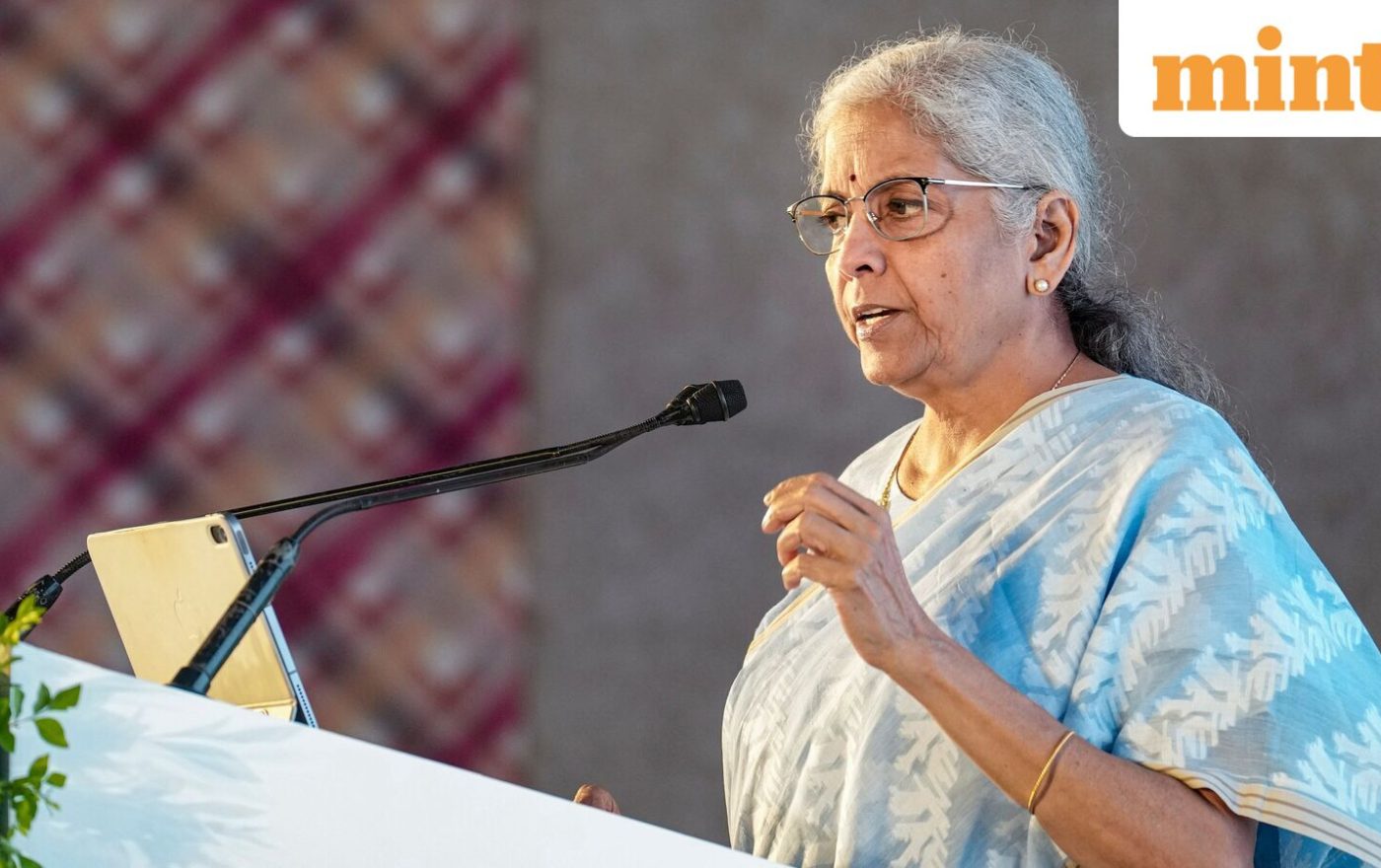
FM Nirmala Sitharaman hits back at these allegations with a measured response. She clarified that MDR would apply exclusively to merchants, not customers. The Finance Minister argued that this approach would support banks and fintech companies in their investment plans. This includes crucial spending on infrastructure development, technological innovation, and security enhancements. All UPI users, she emphasized, would ultimately benefit from these improvements.
Sitharaman also noted that implementation details remained undecided. The NPCI-led steering committee will determine MDR specifics after the bill receives parliamentary approval. “All this could have been discussed on the floor of the House if your party, the Indian National Congress, engages constructively in Parliament when the Bill was/is tabled. (LS/RS respectively) (sic),” she added pointedly.
Social media users have reacted enthusiastically to the Finance Minister’s post. One user sarcastically commented, “This sets a precedent that you can tax UPI. Might as well put a 1% charge on all UPI transactions. Madam, please ensure GST is charged when I sell my kidney.” Another user highlighted the global payment dynamics, writing, “Indians account for the bulk of the Ecom traffic and payments made through Visa etc and global PG result in transfer of MDR to those. High time Indian UPI get MDR share.”
Concerns about consumer impact were also voiced online. “So, you think merchants who will bear the cost of this won’t increase the price of their products? Whose burden will fall directly on consumers? Don’t you know the ripple effect it will cause?” asked one concerned citizen.
FAQ: Understanding UPI Taxation Changes
Q: What is MDR and how will it affect UPI users? A: MDR (Merchant Discount Rate) is the fee charged on transactions. Under the new proposal, merchants will bear the cost while customers continue using UPI without direct charges.
Q: When will the new MDR rules come into effect? A: Implementation will occur after the bill passes parliament and the NPCI-led steering committee finalizes the specifics.
Q: Why is the government introducing this change? A: The government aims to ensure financial sustainability of UPI infrastructure while supporting banks and fintech investments.
Q: How does this relate to international pressure? A: Critics suggest US trade concerns and diplomatic pressure influenced the timing and nature of these changes.