Lok Sabha passes tax amendments, Rajya Sabha clears extra FY26 spending
Parliament advanced two key pieces of financial legislation on Thursday, with the Lok Sabha passes tax amendments through the Taxation and Other Laws
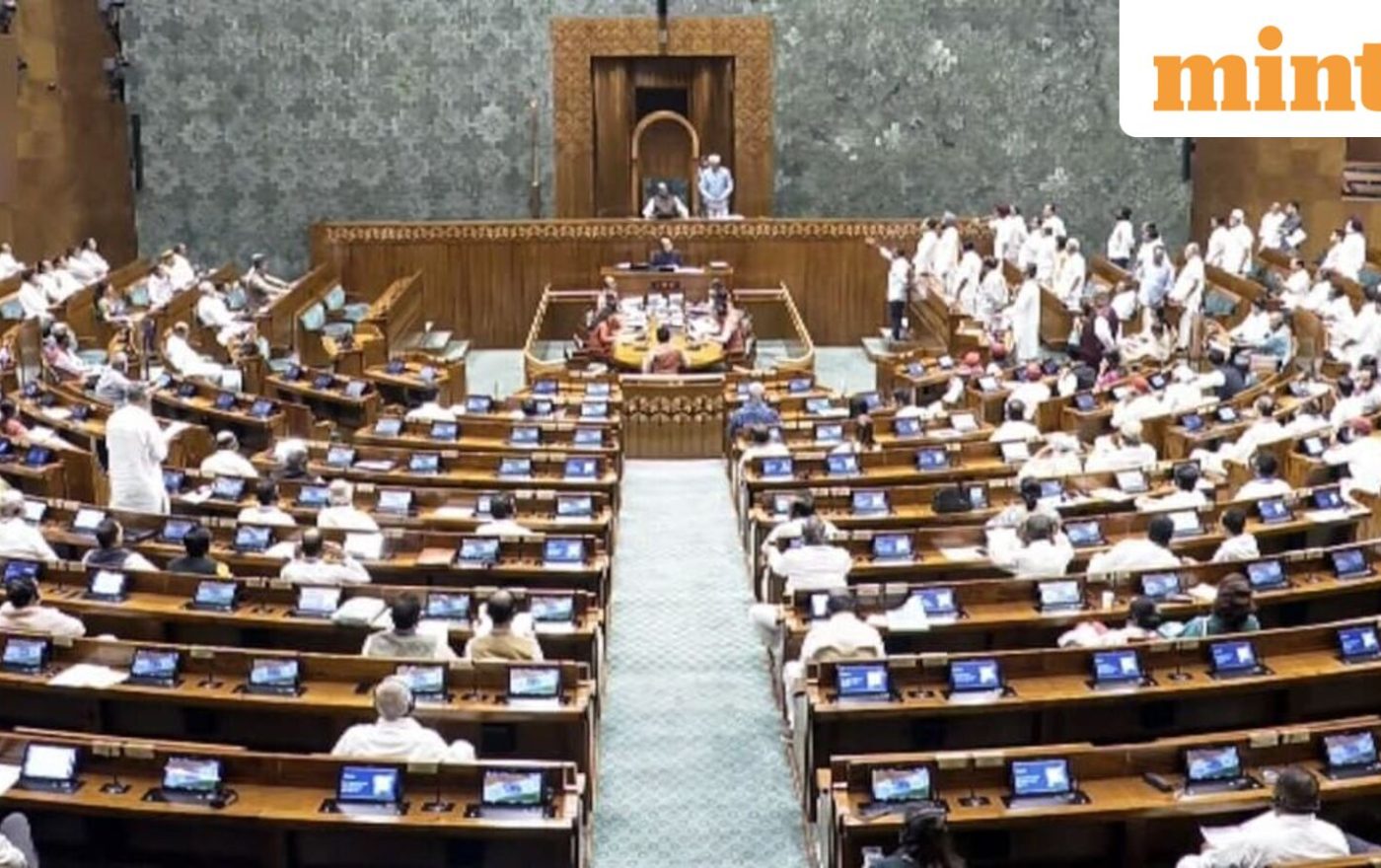
Lok Sabha passes tax amendments as Parliament advances financial legislation
Theindiapostdaily.com – Parliament advanced two key pieces of financial legislation on Thursday, with the Lok Sabha passes tax amendments through the Taxation and Other Laws (Amendment) Bill, 2026, to fine-tune the country’s tax and payments architecture. Simultaneously, the Rajya Sabha returned the Appropriation (No. 3) Bill, 2026 to the lower house after approving it, completing the legislative process for authorising additional government expenditure for 2025-26. This dual movement of bills underscores the government’s commitment to modernising India’s fiscal framework while ensuring adequate funding mechanisms remain in place.
Key provisions in the tax amendment bill
The Taxation and Other Laws (Amendment) Bill, 2026, passed by the Lok Sabha, seeks to amend three laws: the Payment and Settlement Systems Act, 2007, the Income-tax Act, 2025, and the Finance Act, 2026. The legislation is aimed at carrying out consequential changes and addressing issues arising from the implementation of recent tax and financial sector reforms. These amendments represent a comprehensive effort to align India’s tax laws with contemporary economic realities and technological advancements.
Amendments to the Income Tax Act, 2025 are expected to align provisions introduced under the new direct tax framework, while changes to the Finance Act, 2026 seek to remove ambiguities and ensure smoother implementation of tax measures announced in the Union Budget. The amendments to the Payment and Settlement Systems Act, 2007 are intended to update the legal framework governing payment systems in line with evolving regulatory and technological requirements.
The amendment to the Payment and Settlement Systems Act, 2007, could pave the way for banks to charge merchant discount rate (MDR) fees on large Unified Payments Interface (UPI) transactions in the future. This provision addresses long-standing concerns about the sustainability of UPI operations as transaction volumes continue to grow exponentially across the country.
The tax amendments will also simplify the tax and regulatory framework for eligible offshore investment funds, lowering compliance burdens while keeping anti-abuse safeguards to encourage foreign fund managers to relocate their operations to India.
The bill also extends tax benefits and exemptions to support specific manufacturing sectors (such as electronics) in response to global supply chain disruptions. The bill’s passage marks another step in the government’s efforts to streamline tax administration following the enactment of the new Income Tax Act, which replaced the decades-old law with a simplified framework aimed at reducing litigation and improving compliance.
Supplementary spending approved for FY26
Separately, the Rajya Sabha returned the Appropriation (No. 3) Bill, 2026 to the Lok Sabha after approving it. The legislation authorises the withdrawal and appropriation of certain further sums from the Consolidated Fund of India to meet expenditure for the services of financial year 2025-26. Such appropriation bills are a constitutional requirement and allow the government to incur expenditure approved by Parliament through supplementary demands for grants.
The additional spending authorisation covers expenditure that could not be fully provided for in the original Budget estimates or became necessary during the course of the financial year. Once Parliament approves the supplementary demands for grants, the corresponding appropriation legislation provides the legal authority for withdrawing funds from the Consolidated Fund of India. The completion of the bill’s parliamentary journey ensures that the Centre has the statutory backing to meet these additional expenditure commitments for FY26.
Frequently Asked Questions
What is the main purpose of the Taxation and Other Laws (Amendment) Bill, 2026? The bill aims to amend three key laws to address issues arising from recent tax and financial sector reforms, including updates to payment systems, income tax provisions, and finance act provisions.
How does the bill affect UPI transactions? The amendment to the Payment and Settlement Systems Act, 2007, could enable banks to charge merchant discount rate (MDR) fees on large UPI transactions, addressing sustainability concerns in the payment ecosystem.
What is the significance of the Appropriation (No. 3) Bill, 2026? This bill authorises additional spending from the Consolidated Fund of India for FY26, covering expenditure that was not fully provided for in original Budget estimates or became necessary during the financial year.
How do these amendments support foreign investment? The tax amendments simplify the framework for eligible offshore investment funds, lowering compliance burdens while maintaining anti-abuse safeguards to encourage foreign fund managers to relocate operations to India.