Tata Motors, Mahindra beat Tesla-BYD to top global EV ranking: Social media quips, ‘Alto more efficient than Ferrari’
Indian electric vehicle manufacturers have achieved remarkable recognition on the global stage. Tata Motors Mahindra beat Tesla and BYD in a comprehensive
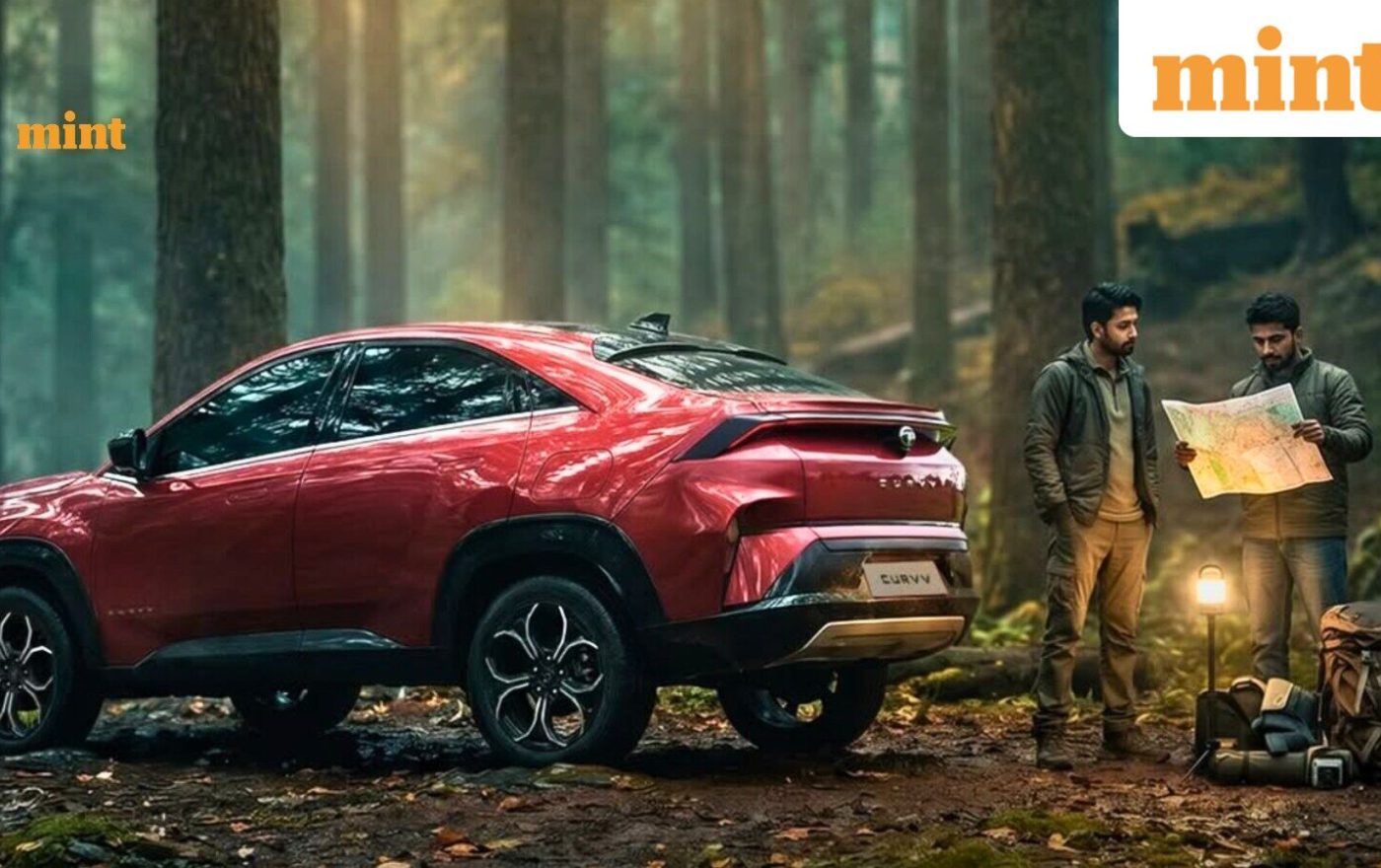
Tata Motors Mahindra Beat Tesla: Indian EV Leaders in Global Efficiency Rankings
Theindiapostdaily.com – Indian electric vehicle manufacturers have achieved remarkable recognition on the global stage. Tata Motors Mahindra beat Tesla and BYD in a comprehensive energy efficiency ranking published by the International Council on Clean Transportation (ICCT). This achievement places Indian automakers ahead of established global leaders in measuring electricity consumption per kilometre.
The ICCT’s Global Automaker Rating report evaluated 22 automakers worldwide, focusing on energy efficiency metrics adjusted for vehicle weight. This adjustment ensures fairer comparisons across manufacturers with different vehicle sizes and specifications. The methodology measured watt-hours per kilometre, with lower figures indicating superior energy efficiency.
Efficiency Scores and Market Position
Tata Motors achieved the highest efficiency score of 100 among all evaluated automakers. Mahindra followed with a score of 89, demonstrating strong performance in energy consumption. In comparison, Tesla scored 79 while BYD managed 69 points. These results highlight the remarkable energy efficiency of Indian electric vehicles.
However, this efficiency ranking tells only part of the story. The report evaluated six major global vehicle markets, with India included for the first time alongside established markets. Together, these markets account for over 90% of global EV sales worldwide. Mahindra was newly added to strengthen India’s representation in this comprehensive analysis.
Broader Performance Metrics
While efficiency rankings showcase energy consumption, overall performance depends on multiple factors. These include driving range, charging speed, EV sales share, model availability, investment levels, and battery recycling capabilities. Strategic commitments to the EV transition are also considered in the broader evaluation.
On these comprehensive measures, both Indian manufacturers rank significantly lower. Tata Motors placed 15th overall with a score of 33, while Mahindra tied for 17th place with a score of 30. Globally, Tesla topped the overall rankings with 83 points, followed by BYD at 72 points. Tata Motors was categorized as a “Transitioner,” while Mahindra was classified as a “Laggard” in the broader assessment.
Social Media Response and Public Perception
The efficiency rankings generated mixed reactions on social media platforms. Many users expressed skepticism about comparing Indian vehicles with international competitors. One commenter noted, “Great. Now let us concentrate on the quality of our roads to match these world-beating standards.”
Another user questioned the comparison methodology: “Are you seriously going to compare a Tata or Mahindra car to the current BYD, XPENG and others? I mean, have you seen the difference in design quality, seats, manufacturing and overall performance?”
Some users highlighted structural differences in vehicle design. One commented, “Shouldn’t we consider that, due to safety testing, American vehicles are bulkier and have more bells and whistles, which make them heavier?” This perspective suggests that efficiency rankings may not fully capture the complete picture of vehicle quality and performance.
The most popular comparison came from a user who quipped, “This is like comparing a Ferrari to a Maruti Alto and saying the Alto is more efficient.” This analogy resonated with many social media users who felt the efficiency metrics didn’t reflect the broader value proposition of different vehicle segments.
Looking Ahead: India’s EV Future
The inclusion of India in global EV rankings marks a significant milestone for the country’s automotive industry. As the world’s largest passenger vehicle market grows, Indian manufacturers are positioning themselves for greater international recognition. The focus on energy efficiency provides a competitive advantage, even as other metrics require improvement.
Both Tata Motors and Mahindra continue to invest heavily in electric vehicle technology and infrastructure. Their commitment to the EV transition, combined with India’s growing market, positions them for future growth in the global automotive landscape.
Frequently Asked Questions
What does the ICCT efficiency ranking measure? The ICCT ranking measures energy consumption in watt-hours per kilometre, adjusted for vehicle weight to ensure fair comparisons across different manufacturers and vehicle sizes.
Why is Tata Motors ranked higher than Tesla in efficiency? Tata Motors achieved the highest efficiency score of 100 compared to Tesla’s 79, indicating that Tata vehicles use less electricity per kilometre when accounting for vehicle weight.
Does efficiency ranking mean Indian EVs are the best overall? No, the efficiency ranking only measures energy consumption. On broader performance metrics including range, charging speed, and market presence, Tata Motors ranked 15th and Mahindra ranked 17th globally.
How does India’s inclusion affect the global EV ranking? India’s inclusion for the first time provides a more comprehensive view of global EV markets, as India represents one of the world’s largest and fastest-growing passenger vehicle markets.
What are the main criticisms of the efficiency ranking? Critics argue that efficiency rankings don’t account for differences in vehicle design, safety features, manufacturing quality, and overall performance compared to established international brands.