Deepak Parekh bats for further consolidation in PSU banks, FDI cap hike to boost GDP growth
Deepak Parekh Calls for Further Consolidation in PSU Banks, FDI Expansion to Drive Economic Growth Deepak Parekh bats for further consolidation - At the 118th
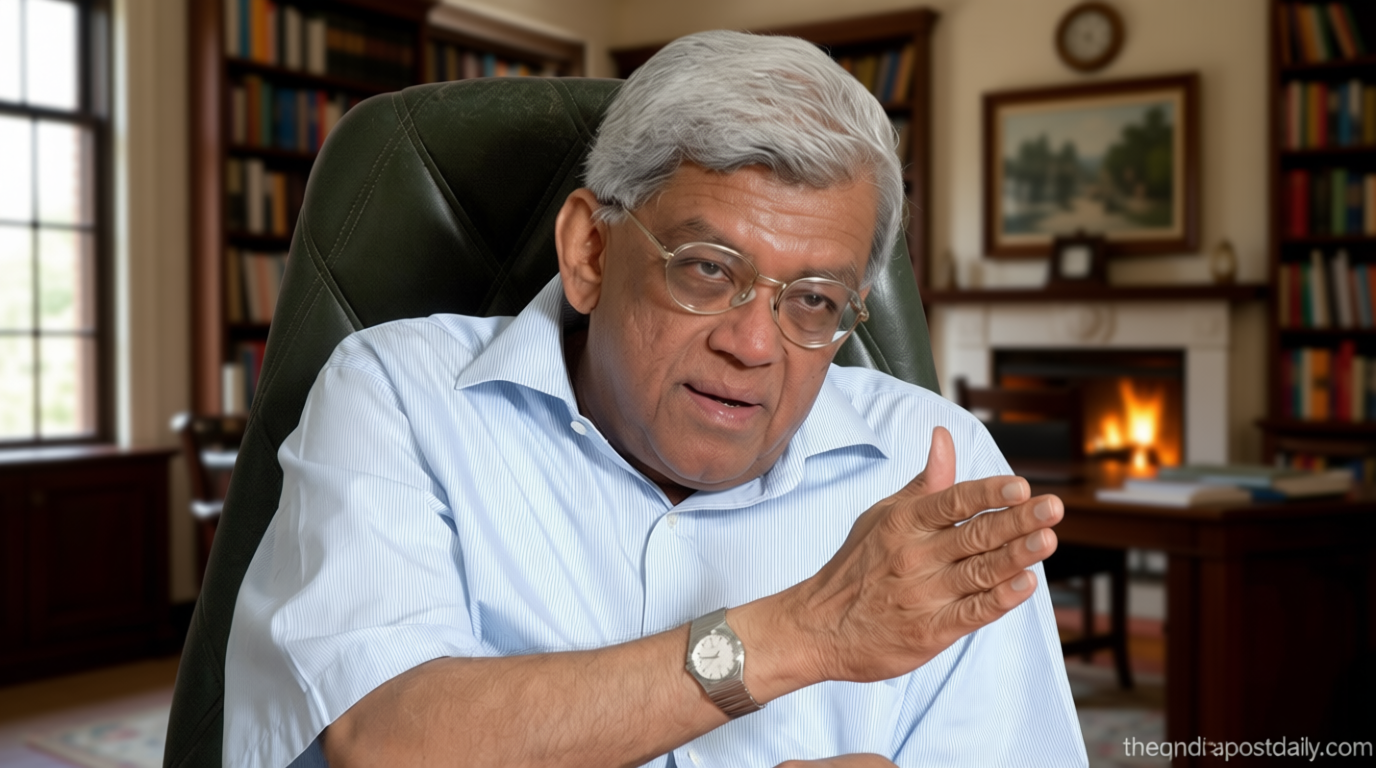
Deepak Parekh Calls for Further Consolidation in PSU Banks, FDI Expansion to Drive Economic Growth
Theindiapostdaily.com –
At the 118th annual general meeting of the IMC Chamber of Commerce and Industry in Mumbai, veteran banker Deepak Parekh reiterated his call for further consolidation in public sector banks, alongside increasing foreign direct investment (FDI) limits, as essential strategies to bolster India’s economic trajectory. Speaking on the nation’s long-term goal of achieving a $30 trillion economy by 2047, Parekh underscored the need for proactive measures to ensure sustained GDP growth and financial sector modernization. He highlighted that such reforms, including a further expansion of FDI caps, would not only address immediate challenges but also position India as a competitive global player in the coming decades.
Parekh emphasized that India’s economy must grow seven to eight times its current size to meet the ambitious target, a feat that hinges on structural transformations within key sectors, particularly banking. He noted that public sector banks are currently operating with gross non-performing assets (NPAs) below 2%, a historic low, indicating a prime opportunity for reform. “Reforms should be undertaken when the sun is shining,” Parekh remarked, drawing a parallel to the current favorable conditions for implementing further consolidation. This sentiment reflects the urgency to leverage existing strengths while addressing systemic inefficiencies to unlock growth potential.
Deepak Parekh’s advocacy for further consolidation in PSU banks and FDI expansion highlights a strategic vision to align India’s financial infrastructure with its economic aspirations. His insights are particularly relevant in the context of the Viksit Bharat initiative, which aims to transform the country into a developed economy by 2047.
Public Sector Bank Mergers and Structural Reforms
Parekh acknowledged the progress made through the government’s consolidation drive, which reduced the number of state-owned banks from 27 in 2017 to 12 by 2020. This transformation was achieved by merging 10 institutions into four major entities, streamlining operations and enhancing efficiency. However, he stressed that further mergers are necessary to create stronger, more resilient banking entities capable of competing globally. The finance ministry has been actively discussing these options, with Parekh supporting the continuation of such efforts to reduce redundancy and improve service delivery.
The former HDFC Ltd chairman argued that a further consolidation of PSU banks would not only improve their financial health but also enable better lending to infrastructure and manufacturing sectors, which are critical for economic expansion. He pointed to the current low NPAs as evidence that the sector is primed for reform, citing that the government’s efforts have already laid a solid foundation. “Further consolidation will ensure that public sector banks can scale up operations and meet the growing demand for credit,” Parekh said, adding that this step would be vital for achieving the 10 million annual job creation target under Viksit Bharat.
FDI Hike and Economic Resilience
When it comes to foreign direct investment (FDI), Parekh endorsed raising the cap for public sector banks from 20% to 49%, matching the 74% limit for private banks. This move, he argued, would provide much-needed capital to strengthen the financial system and support long-term growth. The finance minister, Nirmala Sitharaman, had previously mentioned a high-level committee on banking for Viksit Bharat to examine such issues, though no formal roadmap has been announced for further mergers. Parekh believes that a further increase in FDI limits would encourage more international investment, especially in sectors like renewable energy and technology, which require substantial capital inflows.
Parekh also highlighted the importance of investor confidence in India’s economic resilience, noting that the country has maintained structural strength despite global uncertainties. He welcomed recent tax exemptions for foreign investors in government securities, viewing them as a further step toward attracting capital and stabilizing the debt market. “India’s ability to weather global challenges while pursuing its growth ambitions is a testament to its economic preparedness,” he stated, reinforcing the need for continued reforms and policy support to sustain momentum.
Debt Market Expansion and Job Creation
In addition to consolidation and FDI expansion, Parekh called for the further growth of India’s debt markets, particularly the corporate bond market. He argued that doubling the size of the debt market relative to GDP would provide an alternative to bank lending and reduce pressure on the banking sector. “Expanding the debt market is crucial to ensuring liquidity and reducing reliance on traditional banking channels,” he said, stressing that this would create a more diversified financial ecosystem. The tax exemption for foreign investors in government securities, he noted, is a further incentive to encourage participation in India’s debt market, thereby supporting the nation’s economic development.
Reflecting on India’s job creation goals, Parekh emphasized that the country must continue generating 10 million jobs annually to sustain its growth trajectory. He linked this to the broader economic reforms, including further consolidation in the banking sector and increased FDI, stating that these measures would create a conducive environment for employment. “A robust financial sector is the backbone of job creation,” Parekh said, underscoring the interconnectedness of banking reforms and broader economic development. His remarks align with the Viksit Bharat vision, which prioritizes economic stability and inclusive growth as cornerstones of national progress.