World’s most populous country records fertility rate of 1.9; Elon Musk flags India’s birth rate ‘below replacement’
World's Most Populous Country Records Fertility Rate Below Replacement Level Theindiapostdaily.com – The world's most populous country, India, has seen its fertility rate drop to 1.9 births per woman, according…
World’s Most Populous Country Records Fertility Rate Below Replacement Level
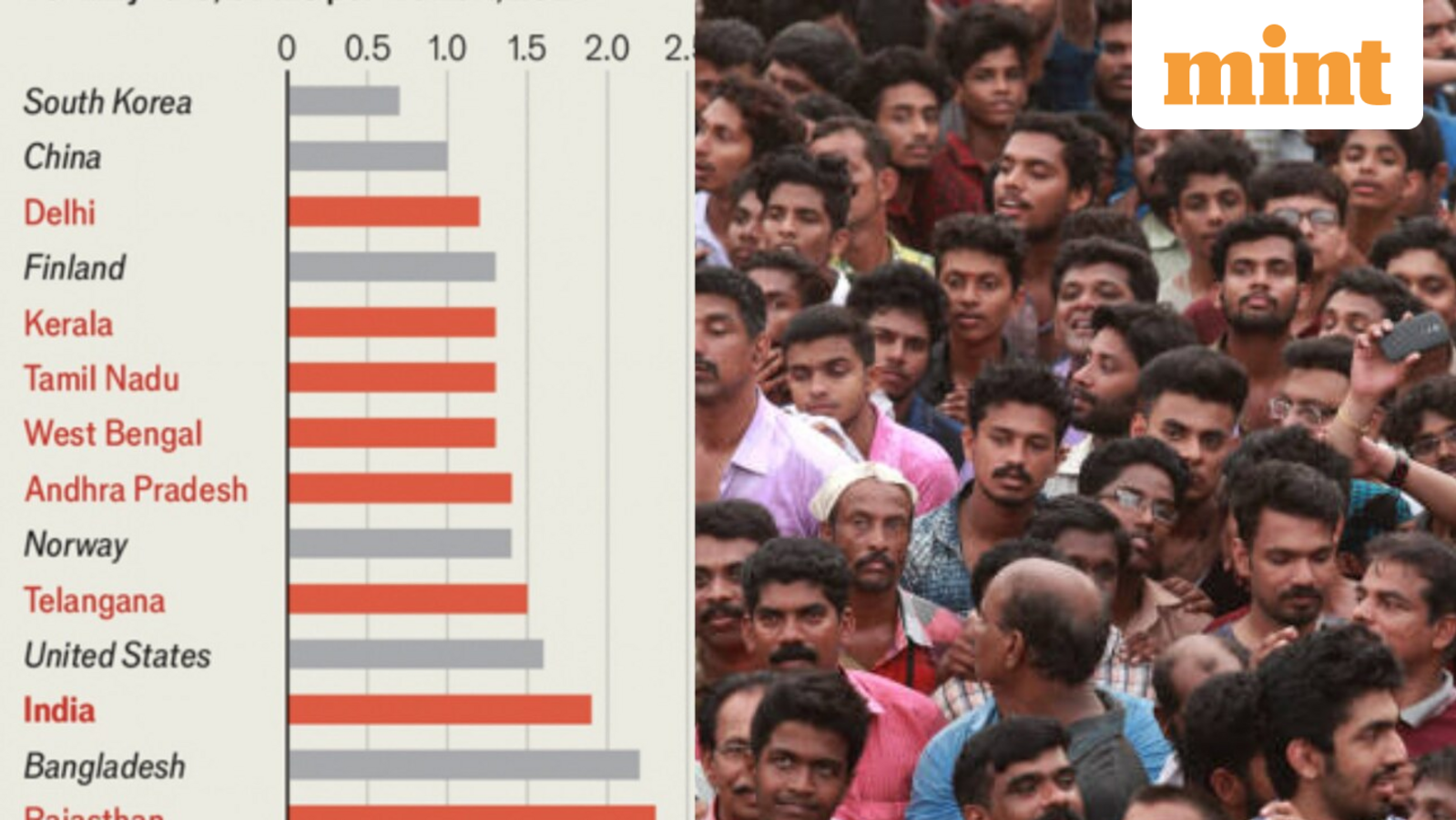
Theindiapostdaily.com – The world’s most populous country, India, has seen its fertility rate drop to 1.9 births per woman, according to the latest 2024 Sample Registration System (SRS) report. This marks a significant shift from the previous rate of 2.1, which was considered the replacement level needed to sustain population growth. As the country approaches 1.46 billion people, the declining fertility rate raises questions about its long-term demographic trajectory and the challenges it may face in maintaining economic and social momentum.
“India’s fertility rate has dipped below the replacement level,” remarked Elon Musk in a recent tweet, drawing attention to the trend. He highlighted that this decline is particularly pronounced among highly educated segments of the population, a pattern observed for years. Musk’s observation aligns with broader concerns about how demographic changes might impact the nation’s future, especially as urbanization and economic development continue to reshape family structures.
Demographic Shifts and the Replacement Fertility Benchmark
Replacement fertility, defined as the average number of children a woman must have to maintain a stable population, is a critical indicator of demographic trends. For India, a fertility rate of 1.9 suggests that population growth is slowing, with most states now registering rates below the 2.1 threshold. This trend reflects a broader transition in the world’s most populous country toward smaller family sizes, driven by factors such as improved access to contraception, rising education levels, and shifting cultural norms around family planning.
UNFPA Report Reinforces the Fertility Decline
The United Nations Population Fund (UNFPA) recently echoed these findings in its 2025 State of World Population Report, noting that the world’s most populous country is entering a new demographic phase. While India remains the largest nation in terms of population, the sustained decline in fertility rates could lead to a future where population growth stabilizes or even declines. The report emphasizes that this transition is not just a statistical change but a societal shift with profound implications for the country’s labor force, aging population, and public services.
Historically, India’s fertility rate has fluctuated, but the past decade has seen a steady reduction. In 2001, the Total Fertility Rate (TFR) was 2.8, and by 2024, it has fallen to 1.9. This decline is part of a global pattern, with many countries experiencing similar trends as economic development and urbanization accelerate. However, India’s scale makes its demographic changes particularly noteworthy. For the world’s most populous country, the implications of this shift are vast, affecting everything from healthcare demand to pension systems and workforce dynamics.
Regional Variations and Socioeconomic Factors
While the national fertility rate stands at 1.9, regional disparities persist. States like Kerala, Goa, and Tamil Nadu, which have long been leaders in family planning initiatives, report rates as low as 1.2, well below the replacement level. In contrast, states in northern India, such as Uttar Pradesh and Bihar, still register rates around 2.0. These variations highlight the role of socioeconomic factors, including education, income levels, and access to healthcare, in shaping fertility trends. The world’s most populous country’s diversity in these factors underscores the complexity of addressing population growth at a national level.
Experts suggest that the fertility decline in India is largely due to improved access to education, especially for women, and the expansion of urban centers. As more people move to cities, the cost of living and the emphasis on career development often lead to delayed marriage and childbearing. Additionally, government programs promoting family planning and contraception have played a key role in reducing birth rates. However, challenges remain, particularly in rural areas where cultural and traditional factors continue to influence family size decisions. The world’s most populous country must navigate these challenges to ensure a balanced demographic future.
Future Projections and Policy Implications
Analysts predict that if the current fertility rate persists, India’s population growth could stabilize by the mid-21st century. However, the exact timeline depends on migration patterns and economic conditions. The world’s most populous country is expected to see an aging population by 2050, with a significant portion of its workforce retiring while the birth rate remains low. This could create a demographic imbalance, putting pressure on the economy and social systems. Policymakers are now tasked with addressing these challenges through targeted interventions, such as incentives for childbirth or investments in childcare infrastructure.
Elon Musk’s comment on the fertility decline adds a layer of urgency to the discussion. While he is not a demographer, his observation highlights the importance of monitoring population trends in the world’s most populous country. The decline could mean fewer young workers entering the labor market, which might slow economic growth if not managed effectively. At the same time, it presents an opportunity for India to transition into a more developed, urbanized society. The world’s most populous country’s ability to adapt to these changes will determine its success in the coming decades.