Rosneft assures stable Russian oil supplies to India amid West Asia war
India's access to Russian oil remains stable, as stated by Igor
Rosneft Commits to Consistent Oil Deliveries to India Amid Middle East Tensions
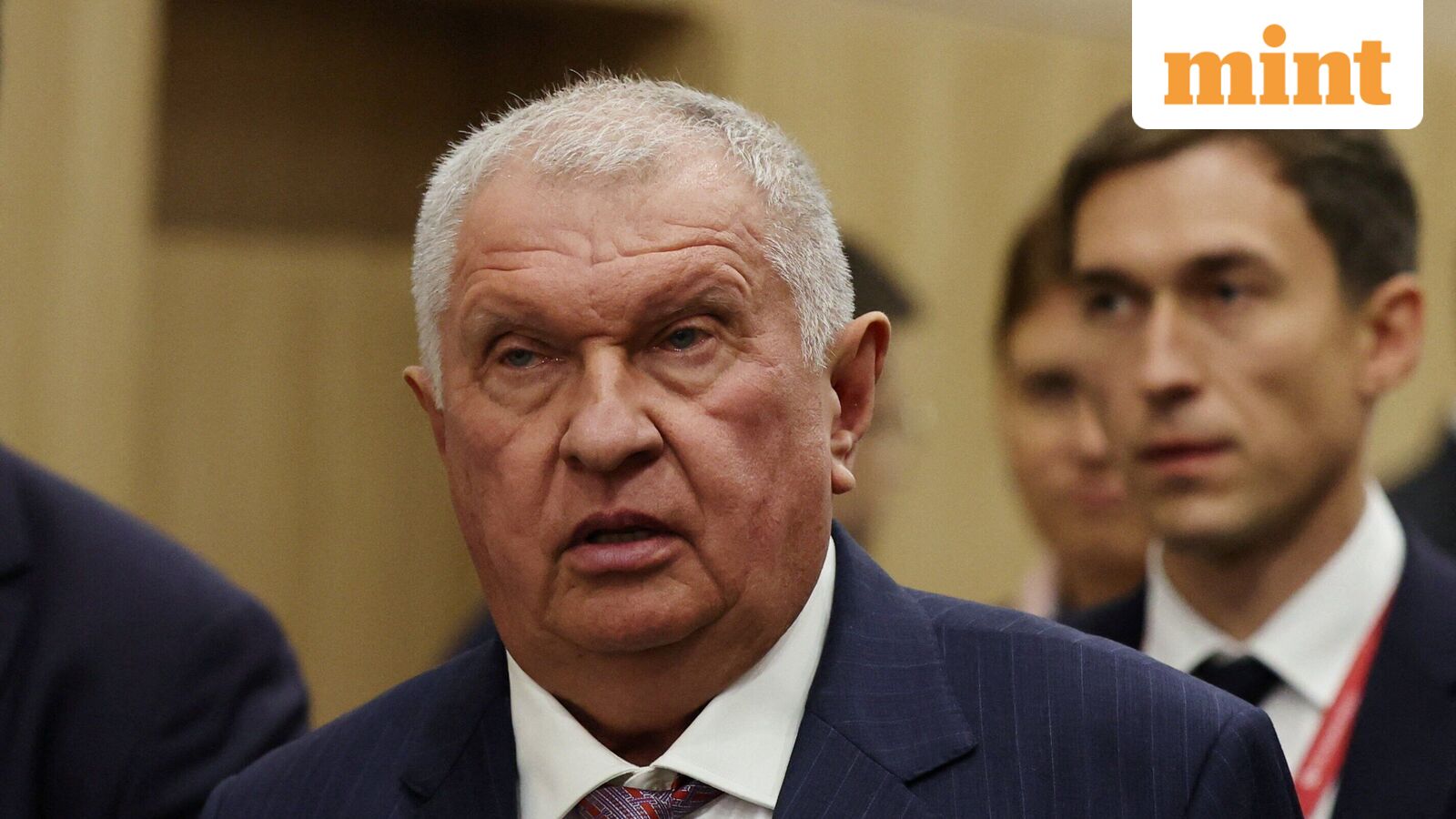
Theindiapostdaily.com – India’s access to Russian oil remains stable, as stated by Igor Sechin, CEO of Rosneft, in a recent announcement. Sechin, who also serves as the Russian Federation Presidential Commission for Strategic Development of the Fuel and Energy Sector and Environmental Security’s executive secretary, emphasized that partnerships with China and India ensure reliable energy supplies despite global market fluctuations and logistical challenges.
Strategic Partnership and Market Growth
Sechin highlighted India’s role as a key player in global energy demand, noting its economy as a major driver of oil consumption growth. “Russia cannot be excluded from global supply chains,” he said. “Our collaboration with China and India guarantees consistent deliveries to both nations.” He added that Russian oil exports to these countries have generated over $40 billion in combined value since April 2022.
“Russia’s economic partnership with India and China guarantees stable supplies to both countries,” Sechin said. “Russian oil brings tangible economic benefits to our partners.”
India’s Diversification Efforts
Russia emerged as India’s top crude oil supplier in 2022 following significant price cuts. Sechin cited International Energy Agency projections, stating India’s oil consumption will reach nearly 8 million barrels daily by 2035—a 44% rise compared to a projected 5% global demand growth. However, he warned of the West Asia conflict’s effect on India’s energy needs.
“The conflict in the Strait of Hormuz, along with new risks, will unfortunately have a negative impact on meeting the needs of the Indian economy,” Sechin noted. “But this is also an incentive to seek long-term energy security solutions.”
Global Logistics Vulnerabilities
India’s reliance on West Asia for 60-70% of its oil imports has been disrupted by the ongoing conflict and supply blockades. Sechin explained that the blockade of the Strait of Hormuz has reduced global oil flows by approximately 20%. “This crisis has exposed the fragility of energy logistics,” he said. “Supply disruptions, combined with limited strategic reserves, heighten the risk of a global food shortage.”
“The current development of the conflict in the Middle East invites a global crisis,” Sechin warned. “Besides oil and gas, a significant volume of exports like fertilizers also passes through the Strait of Hormuz.”
Precedent for Future Challenges
Sechin described the Hormuz crisis as a critical turning point, suggesting similar threats could affect other vital shipping routes. “The same risks may now extend to the Straits of Malacca, Bab el-Mandeb, and Gibraltar,” he stated. “The Cape of Good Hope, Danish and Turkish straits, as well as the Suez and Panama canals, are equally crucial to the world’s energy infrastructure.”